
For residents and businesses in the Hornsby Shire, understanding the intricacies of scrap metal recycling Hornsby is not only a pathway to potential income but also a significant contribution to local and global environmental sustainability. This comprehensive guide will delve into the various grades of scrap metal, demystify the step-by-step recycling process, and illuminate the profound environmental benefits of choosing to recycle. Whether you’re a seasoned trader or a first-time recycler, this authoritative resource is designed to be your go-to reference for all things related to scrap metal in the region.
Understanding the Different Grades of Scrap Metal
The first and most crucial step in scrap metal recycling is understanding the different categories and grades. The value of your scrap is directly determined by its type, purity, and market demand. Misidentifying metal can lead to receiving a lower price than your materials are worth. Scrap metals are broadly classified into two main categories: ferrous and non-ferrous.
Ferrous Metals
Ferrous metals are metals that contain iron, making them magnetic and susceptible to rust (corrosion) when exposed to moisture. They are typically heavier and are used in large-scale construction and manufacturing. Common examples include:
- Cast Iron: Often found in old machinery, engine blocks, and piping.
- Mild Steel: The most common form of steel, used in car bodies, appliances, and structural beams.
- Stainless Steel: An alloy containing chromium, making it highly resistant to rust. Commonly found in kitchen sinks, appliances, and commercial equipment. It holds more value than other ferrous metals.
While ferrous metals are recycled in enormous quantities, their value per kilogram is generally lower than that of non-ferrous metals due to their abundance.
Non-Ferrous Metals
Non-ferrous metals do not contain iron, are not magnetic, and are more resistant to corrosion. These metals are often more valuable and are crucial to seek out when sorting your scrap. Key types include:
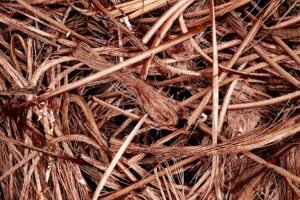
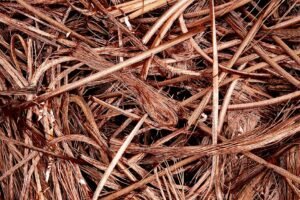
- Copper: One of the most valuable scrap metals. It’s found in electrical wiring, plumbing pipes, and roofing sheets. It is typically bright reddish-brown in colour when clean.
- Aluminium: Lightweight and silvery-white. Commonly found in beverage cans, window frames, car parts, and old outdoor furniture.
- Brass: A yellow-coloured alloy of copper and zinc, frequently used in plumbing fixtures, door handles, and musical instruments.
- Lead: Very heavy and soft, often found in car batteries, roofing materials, and old piping.
- Stainless Steel: While technically ferrous due to its iron content, its high chromium content and value often see it categorised separately in the scrap industry.
Properly sorting your metals into these categories before taking them to a facility for scrap metal recycling Hornsby will ensure you receive the most accurate and highest possible payment.
How the Scrap Metal Recycling Process Works
The journey of a piece of scrap metal from discard to rebirth is a fascinating and efficient industrial process. Understanding this can help you appreciate the importance of proper preparation.
Step 1: Collection and Drop-Off
The process begins with you, the supplier. Individuals and businesses collect their end-of-life metal items and bring them to a recycling centre. To find your closest facility, a quick search for Scrap Metal Recycling Near Me will provide local options. Many centres in the Hornsby area, including our partners at Scrap Trade, offer convenient drop-off services and even scheduled collections for larger commercial quantities.
Step 2: Weighing and Sorting
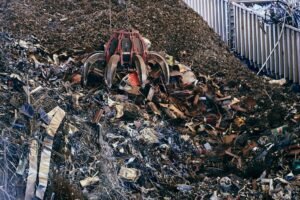
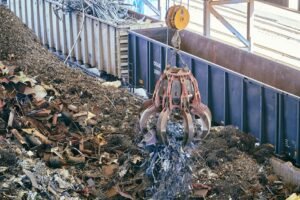
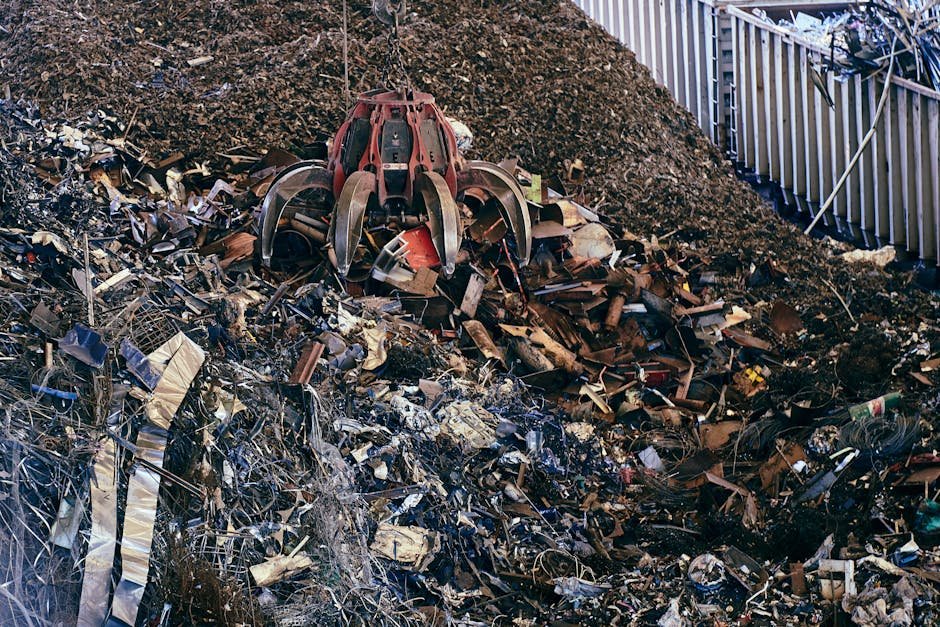
Upon arrival at the yard, your vehicle is weighed on a large industrial scale. The scrap is then unloaded and begins the critical sorting phase. This is done both manually by experienced workers and with advanced technology like magnetic separators (which easily pull ferrous metals from a conveyor belt) and air classification systems. Metals are separated by type and grade to ensure purity, which is essential for the quality of the recycled end product.
Step 3: Processing and Shearing
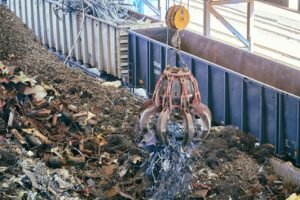
Once sorted, large pieces of metal often need to be reduced in size to make melting more efficient. This is done using powerful machinery like hydraulic shears that cut metal into smaller chunks, or balers that compress light-gauge metals like aluminium cans into dense, manageable blocks.
Step 4: Melting and Purification
The processed scrap is then transported to a foundry or smelter where it is melted down in a massive furnace. Each type of metal is melted in a dedicated furnace designed to reach its specific melting point. During this molten stage, purification processes occur. Samples are taken and analysed to ensure the chemical composition meets the required specifications for the new alloy. Impurities are skimmed off the surface or treated with fluxes that bind to them and remove them.
Step 5: Solidification and Transportation
The purified molten metal is poured into moulds or casters to form ingots, bars, or slabs. These solidified forms are then cooled, transported to manufacturing plants, and used as raw material to create brand new products. An aluminium can be recycled and back on a supermarket shelf as a new can in as little as 60 days.
The Significant Environmental Benefits of Metal Recycling
Choosing to recycle scrap metal is one of the most effective actions we can take for the environment. The benefits are multi-faceted and profound.
Conservation of Natural Resources and Energy Savings
Mining virgin ore is an incredibly energy-intensive and environmentally destructive process. It involves deforestation, habitat destruction, soil erosion, and groundwater pollution. Recycling metal dramatically reduces the need for this. Consider these facts from the EPA: recycling aluminium saves 95% of the energy required to make the same amount of aluminium from raw materials. Recycling steel saves 60-75% of the energy. This massive energy saving directly translates to a reduction in greenhouse gas emissions and our reliance on fossil fuels.
Reduction in Landfill Waste
Metal is not biodegradable. A car body or washing machine left in a landfill will sit there for centuries, taking up valuable space and potentially leaching small amounts of additives into the soil. By diverting this material to recycling centres, we significantly reduce the volume of waste sent to landfill, extending their operational lifespans and reducing soil and water contamination.
Lower Carbon Footprint and Pollution Control
The entire process of metal production from recycled scrap generates far less air and water pollution than primary production. Less mining means less disruption of natural carbon sinks like forests. Less energy consumption in smelting means fewer emissions from power plants. The recycling industry is a key player in the global effort to mitigate climate change and achieve carbon neutrality targets.
Practical Tips for Preparing Your Scrap Metal in Hornsby
To maximise your return and ensure a smooth transaction, a little preparation goes a long way. Follow these expert tips before you head to the yard.
- Sort and Separate: As discussed, your number one task is to separate ferrous from non-ferrous metals. Use a magnet—if it sticks, it’s ferrous. Further separate different non-ferrous metals like copper, aluminium, and brass into different containers.
- Clean Your Metal: Remove any non-metal attachments. Take rubber handles off copper pipes, strip plastic insulation from wiring, and remove screws, bolts, or other contaminants. Clean metal (e.g., bare copper wire vs. insulated) fetches a higher price.
- Know Your Weights: While yards have certified scales, having a rough idea of the weight of your load can help you estimate its value and ensure you get a fair deal.
- Stay Safe: Wear appropriate gloves and footwear when handling scrap. Be cautious of sharp edges and never attempt to dismantle large appliances like fridges or air conditioners yourself, as they may contain hazardous gases or oils.
- Call Ahead: If you have a large or unusual load, it’s always wise to call the recycling centre beforehand to confirm their accepted materials, current prices, and any specific preparation requirements.
For a more detailed look at maximising your returns, our guide on how to Sell Scrap Metal Near Me In 2026 offers up-to-date strategies and market insights.
The Economic Ecosystem: Understanding the Scrap Industry
Scrap metal recycling is more than just an environmental initiative; it’s a robust global economic sector. The prices for scrap metal are subject to global market fluctuations, driven by factors such as industrial demand, geopolitical events, and currency exchange rates. Local yards like those servicing the Hornsby area are the crucial first link in a chain that feeds manufacturing giants both in Australia and overseas. This industry provides significant employment and contributes to the local economy. It’s also interesting to understand the difference between a Scrap Trading Vs Recycling Business, as some operations focus on collection and sorting before on-selling to larger processors, while others handle the entire process from collection to melting.
Beyond Hornsby: A Connected Recycling Network
The principles of effective scrap metal recycling are consistent across Sydney. The same dedication to sorting, processing, and environmental stewardship found in Hornsby is mirrored in other districts. For instance, our comprehensive services extend to areas like scrap metal recycling camden and scrap metal recycling ingleburn, creating a connected network that ensures metal from across the region is efficiently processed and kept out of landfill. This regional approach amplifies the positive environmental impact and stabilises the local market for scrap materials.
Conclusion: Your Role in the Cycle
Engaging in scrap metal recycling Hornsby is a powerful choice. It is a simple, actionable step that yields tangible results: financial gain for you, conservation of precious natural resources for the planet, and support for a critical circular economy. By understanding the grades of metal, properly preparing your scrap, and utilising the services of reputable local yards, you become an active participant in a sustainable future. Every piece of metal recycled is a vote for a cleaner, greener Hornsby and a healthier planet. Start sorting today and turn your unwanted metal into a valuable resource.
Frequently Asked Questions
What is the most valuable scrap metal I can recycle?
Copper is consistently the most valuable common scrap metal due to its high conductivity and widespread use in electrical applications. Clean, uncoated copper wire and piping fetch the highest price. Other high-value metals include clean brass, aluminium, and certain stainless steels.
Do I need to remove all plastic and rubber from metal before recycling?
Yes, it is highly recommended. While recyclers can process some attached materials, you will receive a significantly higher price for ‘clean’ metal. Contaminants like plastic, rubber, and insulation can complicate the melting process and reduce the quality of the recycled metal, so removing them is in your financial interest.
Can I recycle old electronics and appliances as scrap metal?
Yes, but with caution. Old fridges, washing machines, and computers contain significant amounts of recyclable metal. However, they may also contain hazardous materials like refrigerants, oils, or lead-based components. It’s best to check with your local Hornsby recycling facility first, as many have specific procedures or dedicated areas for processing e-waste and whitegoods safely.
How often do scrap metal prices change?
Scrap metal prices are highly volatile and can change daily based on global market conditions. Factors like international demand, commodity trading prices on the London Metal Exchange (LME), freight costs, and local supply all influence the rate you are offered. It’s always a good idea to call your local yard for their current rates on the day you plan to sell.