
Scrap metal recycling Minto is more than a side-of-the-road sign; it is a sophisticated industrial loop that turns yesterday’s copper cable and rusted car parts into tomorrow’s train tracks, smartphone chips and wind-turbines. This definitive guide walks you through every grade recognised by Australian scrap traders, the step-by-step recycling process, current pricing levers, and the measurable environmental wins that benefit Campbelltown and greater Sydney.
1. Local Landscape: Why Minto Is A Recycling Hub
Minto’s industrial zoning, direct rail spur off the M5 and proximity to Port Botany make it a natural aggregation point for both demolition scrap and factory off-cuts. Within a 15 km radius you will find five licensed facilities, each accepting different grades and offering different payment terms. The suburb also sits inside the NSW EPA’s South-West Sydney air-shed, so processors invest heavily in dust-capture and storm-water treatment, meaning cleaner recycling for residents.
Because demand is high, locals can find Scrap Metal Recycling Near Me and get paid within the hour, provided they understand how to separate and prepare their material. Knowing the grades below is the fastest way to boost your return.
2. Major Grades You Will Be Paid For
Scrap yards classify metal by chemistry, density, copper content and cleanliness. Each grade has a dedicated code in the Australian Scrap Classification Guide used by every licensed recycler.
2.1 Non-Ferrous Grades
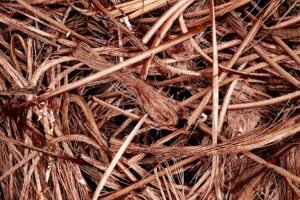
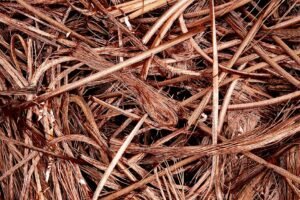
- Bare Bright Copper Wire (Millberry): >99 % Cu, uncoated, untinned, no solder. Highest price, often $9–$11/kg.
- #1 Copper: Clean tubing, busbar or solids with minimal oxidation. Up to $8.50/kg.
- #2 Copper: Painted, soldered or coated. Around $6.80/kg.
- Insulated Copper Wire (ICW): Sub-divided into 40 %, 35 % and low-grade 20 % recovery. Removing the plastic sheath lifts you a full grade.
- Aluminium Clean Extrusion: Window frames free of steel screws, rubber or plastic. $2.10–$2.40/kg.
- Aluminium Domestic: Pots, ladders, screen-door frames. Contaminated with steel rivets, priced lower.
- Aluminium Copper Radiators (ACRs): From air-conditioners. Must be drained and separated from steel brackets.
- Brass Solids: Valves, taps, ornaments. $5.60/kg if free of chrome or steel.
- Brass Turnings: Swarf from machine shops. Price discounted for oil content.
2.2 Ferrous Grades
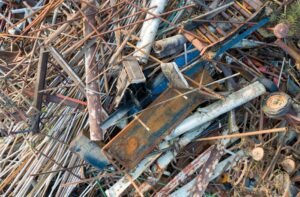
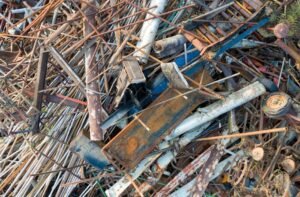
- HMS 1/2 (Heavy Melting Steel): Thickness ≥ 6 mm, no galvanised, no cast. Ships as break-bulk export.
- Cast Iron: Manhole covers, engine blocks. Higher carbon, lower unit value but plentiful.
- Rebar & Plate & Girder (RG): Structural demolition scrap. Must be cut to 1 m lengths and de-rusted for bonus price.
Shredded 211: Post-shredder dense package, <250 mm fragment size. Used in electric-arc furnaces at Port Kembla.
2.3 Specialty Grades
- Stainless 304 Solids: Kitchenware, tanks. Nickel content drives price.
- Stainless 316: Marine fittings, higher Mo content, premium over 304.
- Lead Batteries: Whole car or UPS units. Paid by the piece, subject to EPA transport licence.
- Electric Motors (ELMO): Copper windings inside steel shell. Price calculated per motor not per kg.
Tip: Bring a cheap magnet. If it sticks you have ferrous; if not, protect it from steel contamination and you could double your money.
3. How The Recycling Process Works From Drop-Off To Remelt
Understanding the journey helps you prepare material the way processors want, which equals faster unloading and higher payment.
3.1 Weighing & Registration
On arrival your vehicle rolls onto a 60 t digital weighbridge. Staff record your photo ID, number plate and material description. If you are GST-registered they note your ABN for same-day invoicing. Once your gross weight is captured you proceed to the designated stockpile.
3.2 Visual Inspection & Grade Confirmation
An experienced buyer will probe a few random pieces with a portable XRF (x-ray fluorescence) gun. Non-ferrous grades are cross-checked against ISRI specifications; ferrous grades are verified for density and shearing length. Any mis-declaration may be re-classified or rejected, so honesty pays.
3.3 Sorting & Shearing
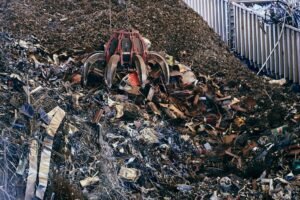
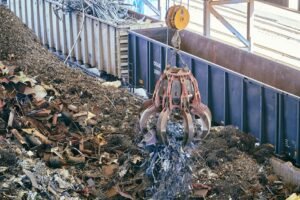
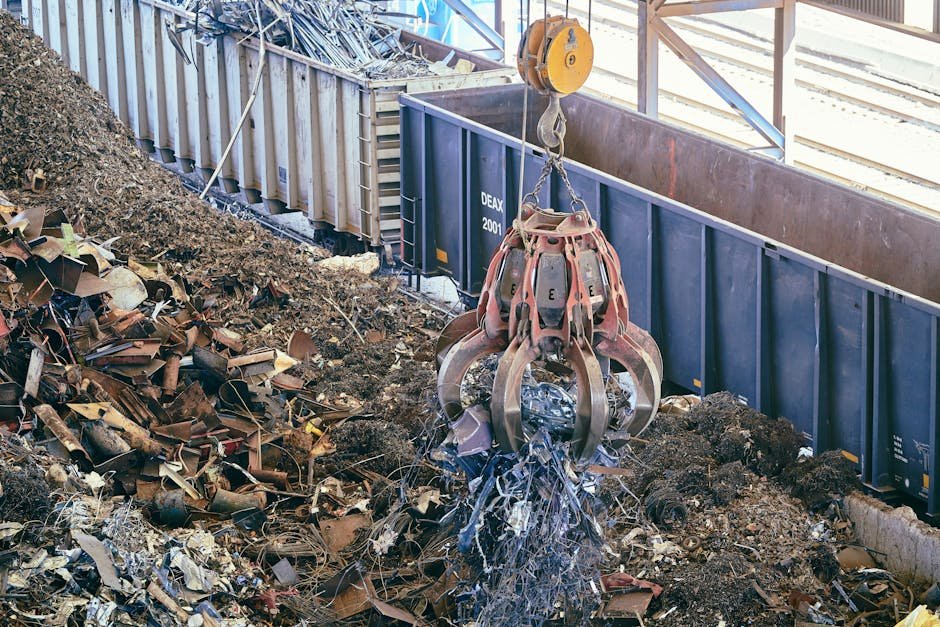
Copper tubing is de-soldered and baled; aluminium extrusions are run under a mechanical alligator shear to remove steel screws; heavy steel is cut to furnace-length 600 mm. Minto facilities use both diesel excavator shears and gantry-mounted grapples for speed.
3.4 Shredding & Media Separation
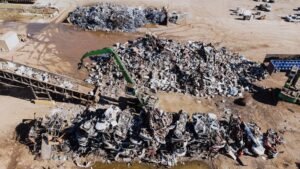
After shearing, mixed feed goes through a 4000 hp hammermill that shreds a car body in under 10 seconds. Down-stream magnets extract ferrous; eddy-current separators throw aluminium; infra-optical sorters eject copper and zinc fractions. This produces furnace-ready frag 211.
3.5 De-Coating & De-Tinning
Thin-gauge scrap (food cans, white-goods skins) is de-tinned using thermal decoaters. The recovered tin sells to solder makers; the clean steel goes to steel mills.
3.6 Melting & Re-Casting
Non-ferrous concentrates travel to secondary smelters in Yennora or Port Kembla. Copper matte is fire-refined to 99.9 % anode, electrolytically refined, then cast into rod for cabling plants. Aluminium is melted in a rotary furnace with salt flux, then poured into 15 kg ingots for automotive die-casters.
3.7 Environmental Controls
Minto yards maintain negative-pressure baghouses to capture dust. Storm-water channels pass through API oil-water separators before discharge to sewer. EPA licence ID 219-345 mandates quarterly groundwater monitoring.
4. Pricing Levers: What Moves Your Pay Cheque
Scrap prices are not plucked from thin air; they track the London Metal Exchange (LME), currency hedging, container freight and domestic mill demand.
- LME Cash Price: Copper, aluminium and nickel prices are set at 17:00 London time. Local yards update their buy rates by 09:00 AEST next morning.
- USD/AUD Exchange: A falling Aussie dollar inflates local prices even if LME is flat.
- Freight & Container Availability: Post-COVID, a 40 ft container to Hong Kong jumped from US$1 200 to US$4 500. Exporters trim buy prices to protect margin.
- Domestic Demand: When BlueScope runs full capacity at Port Kembla, competition for shred pushes prices up $20-30/t.
- Grade Premium/Discount: Clean, sorted and dense material commands up to 15 % over mixed.
To lock in a favourable rate, call the yard before 10 a.m. or ask if they offer a same-day price-hold once you supply a photo of your load. Traders looking at longer cycles may compare Scrap Trading Vs Recycling Business to decide whether to stockpile or flip quickly.
5. Environmental Benefits That Matter To Minto Residents
Recycling one tonne of steel saves 1 131 kg of iron ore, 630 kg of coal and 54 kg of limestone. For aluminium, the savings are even starker: 14 000 kWh of electricity—enough to power the average Minto home for nearly three years. Put another way, every kilogram of aluminium you drop off prevents 9 kg of CO₂-equivalent emissions compared with primary smelting.
On the waste side, scrap metal recycling minto operations divert about 95 % of incoming material from landfill. The remaining 5 % (mainly insulation fluff and paint sludge) goes to energy-recovery kilns, meaning almost zero residual waste. Local creek biodiversity has improved since the EPA mandated lined scrapyards; macro-invertebrate counts in the adjoining Georges River have risen 18 % since 2012.
6. Practical Tips For Maximising Cash And Minimising Hassle
- Separate copper by grade the night before; yards open at 06:30 and queues build fast.
- Remove steel screws from aluminium window frames using an impact driver; you will jump from domestic to extrusion price.
- Drain radiator fluid and cap pipes; EPA can reject wet loads.
- Cut rebar to 1 m lengths; oversized material is downgraded to shred.
- Bring your driver’s licence; NSW legislation requires a copy on file for cash payments.
- Use a steel stillage or cages; mixed loads in utes take longer to unload and may incur a handling fee.
- Ask for a weighbridge ticket; reputable yards provide a breakdown of each grade and its kilos.
- Compare prices across multiple facilities; you can Sell Scrap Metal Near Me In 2026 using live-updated online portals.
7. Related Western Sydney Locations
If Minto is busy or you need a different drop-off window, nearby centres offer similar services. For example, scrap metal recycling hornsby specialises in domestic household loads and after-hours bins, while scrap metal recycling camden has deeper water access for barge deliveries of heavy steel.
8. Legal Framework: What The NSW Scrap Metal Act Means To You
Since 2018 it is illegal to pay cash for scrap metal in NSW. Payments must be by EFT, cheque or money order. Dealers must also retain records for five years and report suspicious material to police within 24 hours. Sellers must be 16 years or older and present photo ID. Non-compliance can trigger fines of up to $30 000 for the yard and $5 000 for the individual.
9. Safety Essentials At Home And In The Yard
Scrap may have sharp edges, oil residue or hidden asbestos in brake pads. Wear steel-cap boots, cut-resistant gloves and safety goggles. When cutting tanks, purge with inert gas to prevent explosions. Keep a Class D fire extinguisher nearby for magnesium or titanium fines. Finally, never enter a yard’s shredder area; radiation detectors and falling scrap can cause serious injury.
10. Future Outlook: Green Steel And E-Waste Streams
Australia’s steel industry is targeting net-zero by 2050. Hydrogen-based direct-reduction plants will rely on high-quality scrap to balance metallics. That means demand for shredded 211 and low-copper bundles will remain strong. Simultaneously, e-waste such as circuit boards contributes 280 g of gold per tonne—far richer than any gold mine. Minto recyclers are installing electro-static separators to harvest this urban ore, future-proofing their business and local jobs.
11. Conclusion
Scrap metal recycling minto offers residents and businesses a direct path to declutter, earn cash and slash carbon emissions. By understanding grades, preparing material correctly and choosing an EPA-licensed facility, you can double your payout while keeping Western Sydney clean. Bookmark this guide, share it with your neighbours, and turn your scrap into a resource that powers Australia’s circular economy.
12. Frequently Asked Questions
Do I need to remove plastic handles from aluminium pots?
Yes. Plastic is a contaminant and can downgrade your load to domestic aluminium, costing you roughly 30 ¢/kg. A quick twist with a ratchet removes most handles in seconds.
What is the minimum quantity Minto yards will accept?
Most facilities accept any quantity over 5 kg for non-ferrous and 100 kg for ferrous. If you bring less, you may be paid minimum gate rates or asked to aggregate with other customers.
How quickly do prices change?
Buy rates update once every morning based on the previous night’s LME close and currency. Extreme volatility (±5 %) triggers intraday updates—check the yard’s website before you leave.
Can businesses set up 30-day credit terms?
Yes. Commercial suppliers with regular scrap can apply for a formal account, submit weighbridge dockets and receive EFT within 7 days. Volume thresholds usually start at 5 t per month.
Frequently Asked Questions
Do I need to remove plastic handles from aluminium pots?
Yes. Plastic is a contaminant and can downgrade your load to domestic aluminium, costing you roughly 30 ¢/kg. A quick twist with a ratchet removes most handles in seconds.
What is the minimum quantity Minto yards will accept?
Most facilities accept any quantity over 5 kg for non-ferrous and 100 kg for ferrous. If you bring less, you may be paid minimum gate rates or asked to aggregate with other customers.
How quickly do prices change?
Buy rates update once every morning based on the previous night’s LME close and currency. Extreme volatility (±5 %) triggers intraday updates—check the yard’s website before you leave.
Can businesses set up 30-day credit terms?
Yes. Commercial suppliers with regular scrap can apply for a formal account, submit weighbridge dockets and receive EFT within 7 days. Volume thresholds usually start at 5 t per month.