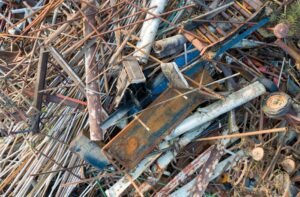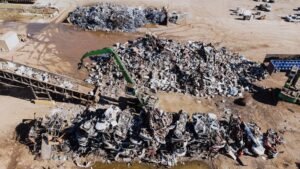

Scrap metal recycling Seven Hills is a critical component of Australia’s circular economy, transforming discarded metals into valuable resources. From industrial facilities to residential households, understanding the grades of scrap metal, the recycling process, and its environmental impact can empower communities to contribute meaningfully to sustainability goals. This guide provides a comprehensive overview of scrap metal recycling Seven Hills, covering the classification of metals, step-by-step recycling procedures, and the ecological advantages of reusing materials. Whether you’re a business owner, a contractor, or a homeowner with scrap metal to dispose of, this article equips you with actionable insights to make informed decisions.
Understanding the Grades of Scrap Metal in Seven Hills
Scrap metal is categorized into two primary types: ferrous and non-ferrous. Ferrous metals, such as steel and iron, contain iron and are magnetic. Non-ferrous metals, like copper, aluminum, and brass, lack iron and are typically more valuable due to their conductivity and corrosion resistance. In Seven Hills, common grades of scrap include:
- Steel: Used in construction, automotive, and manufacturing sectors.
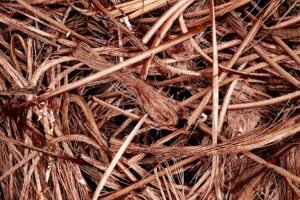
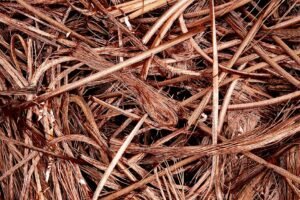
- Copper: Found in wiring, plumbing, and electrical systems.
- Aluminum: Common in beverage cans, foil, and vehicle parts.
- Brass: Used in plumbing fixtures, musical instruments, and decorative items.
Local recyclers in Seven Hills, such as scrap steel recycling Seven Hills, specialize in sorting and processing these grades to ensure they meet industry standards. For example, scrap metal recyclers Seven Hills employ advanced sorting technologies like X-ray fluorescence (XRF) to identify and separate metals accurately. This precision ensures that each grade is recycled efficiently, maximizing both economic and environmental returns.
How Scrap Metal Recycling Works in Seven Hills
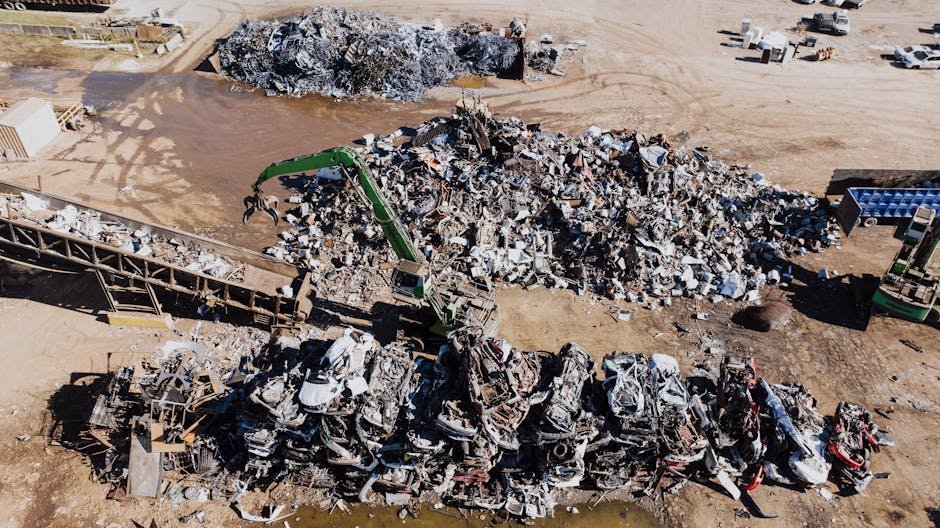
The recycling process in Seven Hills follows a structured workflow to convert scrap metal into reusable materials. Here’s a step-by-step breakdown:
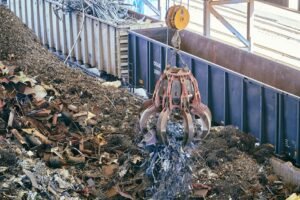
- Collection: Scrap metal is gathered from industrial sites, construction projects, and households. Scrap Metal Recycling Near Me services streamline this process by providing pickup options for large quantities.
- Sorting and Grading: Metals are separated into ferrous and non-ferrous categories using magnets and manual inspection. Advanced facilities like York Metal Recycling employ optical sorting systems for precision.
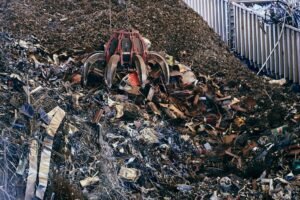
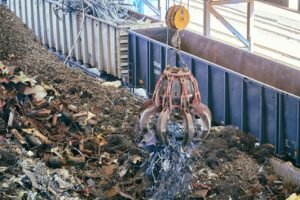
- Shredding and Processing: Metals are shredded into smaller pieces to increase melting efficiency. This step is critical for reducing transportation costs and energy consumption during recycling.
- Smelting: Shredded metal is melted in furnaces to remove impurities. The molten metal is then cast into ingots or coils for resale to manufacturers.
- Reintegration: Recycled metal is used to produce new products, closing the loop in the circular economy.
Local recyclers in Seven Hills adhere to strict safety protocols during these stages. For instance, Bg Scrap Metal highlights innovations in automation and AI-driven sorting, which are increasingly adopted by Australian recyclers to enhance efficiency.
Environmental Benefits of Scrap Metal Recycling in Seven Hills
Recycling scrap metal in Seven Hills significantly reduces the environmental footprint of metal production. Key benefits include:
- Energy Savings: Recycling aluminum saves 95% of the energy required to produce new aluminum from bauxite ore. Similarly, steel recycling reduces energy use by 60% compared to virgin steel production.
- Reduced Mining: By reusing existing metals, recycling decreases the need for mining, preserving ecosystems and reducing habitat destruction.
- Lower Greenhouse Gas Emissions: Recycling processes emit 86% less carbon dioxide than traditional smelting, combating climate change in the region.
- Resource Conservation: Metals like copper are finite resources. Recycling extends their usability, reducing depletion of natural reserves.
Communities in Seven Hills can amplify these benefits by partnering with certified recyclers. For example, Scrap Trade collaborates with local recyclers to ensure compliance with environmental regulations, while ScrapTrade provides transparency in recycling practices. These initiatives align with Australia’s national goal to achieve a 60% recycling rate for construction and demolition waste by 2030.
Practical Tips for Scrap Metal Recycling in Seven Hills
Whether you’re a business or an individual, here’s how to optimize scrap metal recycling Seven Hills:
- Sort Metals Yourself: Separate ferrous and non-ferrous metals before contacting a recycler. This reduces processing time and increases your payout.
- Choose Reputable Recyclers: Verify certifications and track records of scrap metal recyclers Seven Hills to avoid illegal dumping or unethical practices.
- Maximize Value: Clean metals of contaminants like oil or dirt to fetch higher prices. For instance, clean copper wiring commands a premium over mixed scrap.
- Stay Informed: Track market prices for scrap metal using platforms like Scrap Metal Recycling Near Me to time your sales strategically.
Why Seven Hills is a Leader in Sustainable Metal Recycling
Seven Hills has emerged as a regional hub for eco-conscious recycling due to its strategic location and proactive policies. The area’s proximity to major industrial centers in Sydney ensures a steady supply of scrap metal, while local councils offer incentives for businesses that adopt recycling practices. Key factors driving this success include:
- Collaboration between recyclers and educational institutions to advance recycling technologies.
- Public awareness campaigns promoting responsible disposal of household metals.
- Investment in green infrastructure, such as solar-powered recycling facilities.
Conclusion: Embracing a Greener Future with Scrap Metal Recycling
Scrap metal recycling Seven Hills is more than a waste management solution—it’s a cornerstone of sustainable development. By understanding metal grades, supporting ethical recyclers, and leveraging technological advancements, residents and businesses in Seven Hills can lead the charge in reducing environmental impact. As the global demand for recycled materials grows, Seven Hills’ commitment to innovation and conservation sets a benchmark for other regions to follow.
Frequently Asked Questions
What are the common grades of scrap metal in Seven Hills?
Common grades include ferrous metals like steel and iron, as well as non-ferrous metals such as copper, aluminum, and brass. These are sorted using advanced technologies like X-ray fluorescence.
How does scrap metal recycling work in Seven Hills?
The process involves collection, sorting, shredding, smelting, and reintegration. Local recyclers use magnets, optical sorters, and AI-driven systems to ensure efficiency and precision.
What are the environmental benefits of recycling scrap metal?
Recycling reduces energy consumption, minimizes mining, lowers greenhouse gas emissions, and conserves finite resources. For example, recycling aluminum saves 95% of the energy needed for new production.
How to choose a reliable scrap metal recycler in Seven Hills?
Verify certifications, check for transparent pricing, and ensure compliance with environmental regulations. Platforms like Scrap Metal Recycling Near Me can help locate trusted recyclers.