When you engage in scrap metal recycling Sunshine Coast, you are participating in a sophisticated circular economy that turns industrial and domestic waste into valuable raw material commodities. Whether you are a local contractor, a demolition expert, or a homeowner clearing out a shed, understanding the nuances of the metal market is essential for both environmental stewardship and financial gain. As the region grows, the demand for sustainable waste management has never been higher, making it vital to connect with a reputable scrap metal dealer sunshine coast to ensure your materials are handled according to the highest industry standards.
Understanding Metal Grades: Ferrous vs. Non-Ferrous
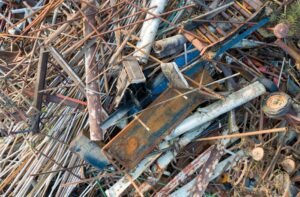
To maximize your returns, you must first categorize your materials. The industry is broadly split into two distinct categories: ferrous and non-ferrous metals. Ferrous metals contain iron, are magnetic, and are generally more abundant. Common examples include structural steel, cast iron, and light gauge iron. Because of their abundance, they are typically traded in higher volumes but at lower price points per kilogram compared to their non-ferrous counterparts.
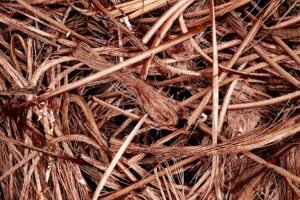
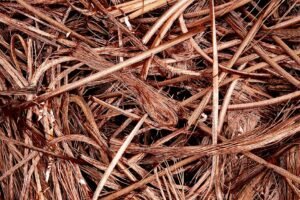
Non-ferrous metals, which include copper, aluminium, brass, stainless steel, and lead, do not contain iron and are non-magnetic. These metals are highly sought after due to their durability and the infinite recyclability of the materials. Copper, for instance, is a cornerstone of the electrical grid, while aluminium is essential for the aerospace and automotive sectors. Understanding these grades is the first step in successful recycling. If you are looking for local facilities, search for Scrap Metal Recycling Near Me to find the nearest drop-off points equipped to handle these specific material types.
The Lifecycle: How Scrap Metal Recycling Works
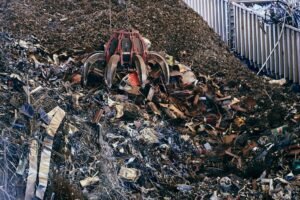
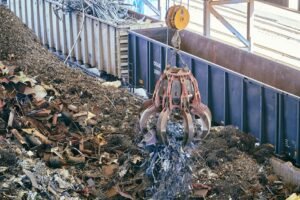
The process of transforming a discarded radiator or a pile of rusted rebar into a high-quality ingot is a multi-stage industrial operation. It begins with collection and transportation. Once the scrap reaches a facility, it undergoes a rigorous sorting process. Advanced facilities now use X-ray fluorescence (XRF) technology and optical sorting sensors to identify metal alloys with extreme precision. This ensures that contaminants—such as rubber, plastic, or different metal grades—are removed, which is crucial for maintaining the integrity of the final product.
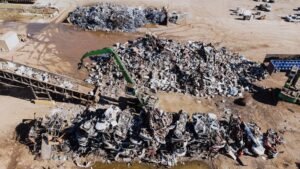
After sorting, the metal is processed through shredding, shearing, or baling. Shredding involves high-powered machines that break down bulky items into smaller, manageable fragments. These fragments are then magnetically separated if they are ferrous, or sorted through density-based processes if they are non-ferrous. The final stage involves melting the metal in furnaces to create new billets, which are then sold back to manufacturers. This process is constantly evolving, as detailed in our analysis of Bg Scrap Metal How Scrap Metal Recycling Is Evolving In The Global Scrap Industry, highlighting how technology is reducing energy consumption and increasing recovery rates.
The Environmental Imperative
The environmental case for scrap metal recycling is undeniable. Mining virgin ore is an energy-intensive and ecologically destructive process. By recycling metals, we drastically reduce the need for open-cut mining, which preserves biodiversity and prevents soil erosion. Furthermore, the energy required to recycle aluminium is approximately 95% less than the energy required to produce it from bauxite ore. This massive reduction in energy demand translates directly into lower carbon emissions, helping Australia meet its climate targets.
Beyond energy savings, recycling prevents toxic heavy metals from leaching into the Sunshine Coast’s groundwater. When appliances or electronic scrap are dumped in landfills, they pose a long-term risk to the local ecosystem. By choosing professional recycling services, you ensure that these hazardous materials are neutralized and repurposed. For businesses looking to streamline their operations, implementing York Metal Recycling Efficient And Profitable Scrap Solutions can help reduce your carbon footprint while simultaneously improving your bottom line.
Maximizing Your Returns: Practical Tips for Sellers
If you want to get the best price for your scrap, preparation is key. First, keep your metals separated. If you mix copper wire with iron, a recycler may have to grade the entire load as the lower-value material. Second, clean your scrap. Removing non-metallic attachments like plastic casings, rubber hoses, or wooden handles significantly increases the value of your load because the processor doesn’t have to spend time and labor cleaning it for you.
Timing also plays a role in the market. Global commodity prices fluctuate based on supply and demand, industrial output in China, and currency exchange rates. While you cannot control the global market, you can control the quality of the material you bring to the yard. Always call ahead to confirm the current buying rates for specific grades, especially if you have a large volume of high-value material like clean copper piping or bright shiny wire. For broader industry insights, you can always visit the Australian scrap trade portal to stay updated on current market trends.
The Future of Metal Recycling in Australia
As Australia transitions toward a more circular economy, the scrap metal industry is becoming a primary engine for industrial sustainability. We are seeing a shift toward ‘urban mining,’ where cities are viewed as mines of secondary raw materials. This shift is not limited to the Sunshine Coast; for instance, the demand for scrap metal recycling north sydney is mirrored by similar growth in Queensland. Increased investment in automated processing plants means that even complex scrap—such as circuit boards and mixed alloys—is now being recovered at higher rates than ever before.
Digital platforms are also revolutionizing the industry by providing transparency in pricing and logistics. By using a reputable digital platform for scrap trading, sellers can connect with buyers more efficiently, reducing transport costs and carbon emissions associated with moving heavy materials. The future of the industry lies in this integration of physical processing and digital connectivity, ensuring that every tonne of metal recovered is accounted for and returned to the supply chain.
Safety and Regulatory Compliance
Safety is the cornerstone of any professional scrap metal operation. Handling heavy machinery, sharp metal edges, and potentially hazardous industrial waste requires strict adherence to Occupational Health and Safety (OHS) protocols. When visiting a scrap yard, always wear appropriate personal protective equipment (PPE), including steel-capped boots, high-visibility vests, and gloves. Never attempt to dismantle items that may contain pressurized gases or hazardous fluids, such as old air conditioning units or transformers, without professional guidance.
Regulatory compliance is equally important. In Queensland, scrap metal dealers must adhere to strict environmental protection laws and record-keeping requirements to prevent the trade of stolen goods. Legitimate recyclers will always ask for identification and maintain detailed records of transactions. By choosing to work with licensed and reputable dealers, you are not only ensuring your own safety but also supporting an industry that operates with integrity and transparency.
Conclusion: Taking Action Today
The scrap metal recycling sunshine coast industry is a vital component of our regional economy and our environmental future. By understanding the different grades of metal, preparing your materials correctly, and choosing to work with professional, licensed recyclers, you are contributing to a more sustainable world. Whether you are a small-scale recycler or a large industrial firm, the benefits of participating in this circular economy are significant. Start by organizing your scrap, reaching out to local experts, and ensuring that your materials are processed in a way that maximizes both their value and their environmental potential. The transition to a greener future starts with the decisions we make about our waste today.
Frequently Asked Questions
What is the most valuable metal to recycle?
Copper is generally the most valuable common scrap metal due to its high demand in electrical and plumbing industries. Clean, uninsulated copper wire typically fetches the highest prices per kilogram.
Do I need to clean my scrap metal before taking it to a yard?
Yes, cleaning your scrap by removing plastic, rubber, or wood attachments significantly increases its value. Clean, sorted metal is easier to process and commands a higher price than contaminated loads.
Is it legal to scrap appliances containing refrigerants?
It is legal to scrap appliances, but you must ensure that any refrigerants are professionally removed and recovered by a licensed technician first. Most reputable scrap yards will not accept units that have not been tagged as degassed.
How do I know if my metal is ferrous or non-ferrous?
The easiest way to tell is by using a magnet. If the magnet sticks to the metal, it is ferrous (contains iron, like steel or iron); if it does not stick, it is non-ferrous (like copper, aluminium, or brass).