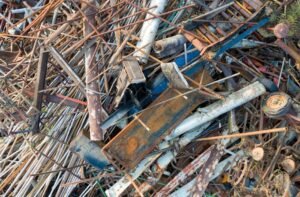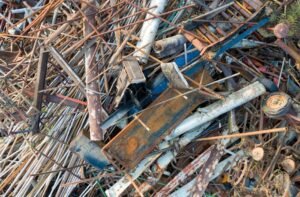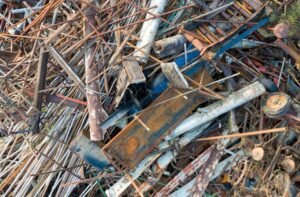

Scrap metal removal is a critical process in Australia’s recycling and sustainability efforts. By separating and repurposing metals, industries reduce environmental impact while recovering valuable resources. This guide explores the grades of scrap metal, the recycling process, and the environmental and economic benefits of scrap metal removal. Whether you’re a business or homeowner, understanding these elements can help you make informed decisions.
Understanding Scrap Metal Grades
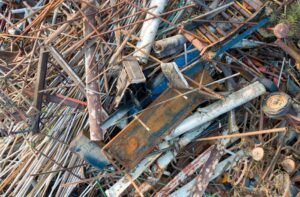
Scrap metal is categorized into grades based on material type, purity, and usability. The two primary categories are ferrous (iron-based) and non-ferrous (non-iron-based) metals. Ferrous metals, such as steel and iron, contain magnetic properties and are commonly used in construction and manufacturing. Non-ferrous metals like copper, aluminium, and brass are non-magnetic and valued for their conductivity and corrosion resistance.
- Ferrous Grades: Includes steel, cast iron, and wrought iron. These metals are abundant but less valuable due to their susceptibility to rust.
- Non-Ferrous Grades: Includes copper, aluminium, brass, and lead. Higher market value due to durability and recyclability.
Proper classification ensures efficient recycling. For example, copper wiring (non-ferrous) fetches higher prices than steel (ferrous) because of its widespread use in electronics and power systems.
The Scrap Metal Recycling Process
Scrap metal removal involves several steps to transform discarded metals into reusable materials. The process begins with collection via services like scrap metal collection near me, followed by sorting, processing, and melting.
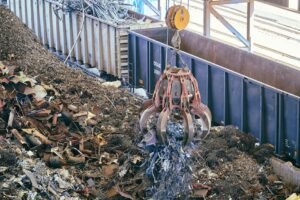
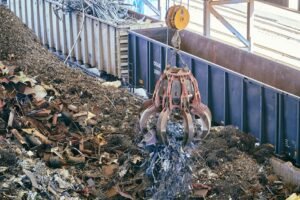
- Collection: Scrap is gathered from industrial sites, demolition projects, or household waste using heavy machinery.
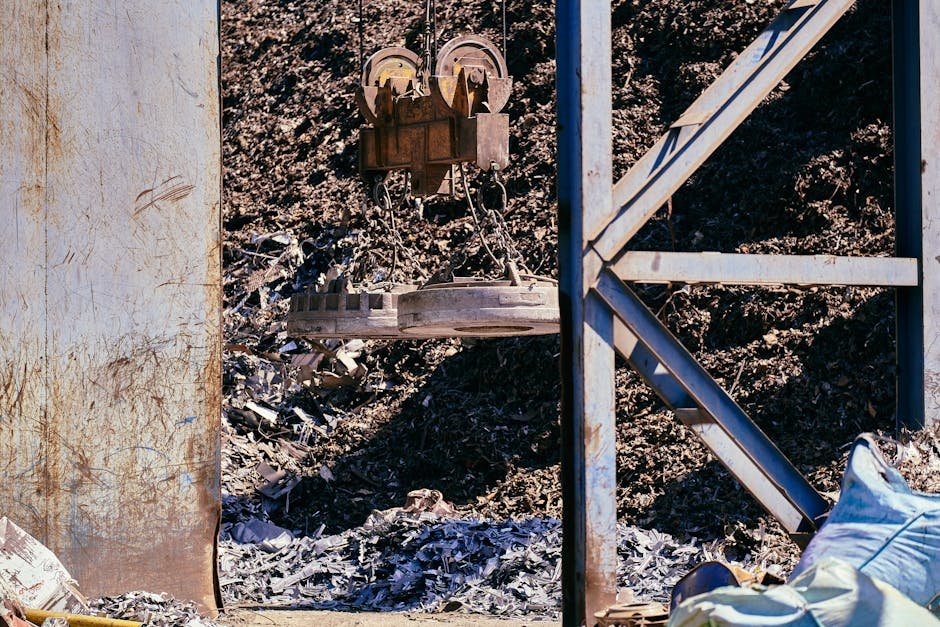
- Sorting: Metals are separated by grade using magnets for ferrous materials and optical sensors for non-ferrous types.
- Processing: Metals are shredded, compacted, or baled to reduce volume and prepare for melting.
- Smelting: Recycled metals are melted in furnaces and cast into ingots for reuse in manufacturing.
Recycling one tonne of steel saves 1.5 tonnes of iron ore and 0.5 tonnes of coal, according to the Australian Recycling Industry Council. This efficiency underscores the importance of effective scrap metal removal systems.
Environmental Benefits of Scrap Metal Recycling
Scrap metal removal significantly reduces environmental harm compared to extracting raw materials. Key benefits include:
- Landfill Reduction: Recycling diverts 90% of scrap metal from landfills, preventing soil and water contamination.
- Energy Savings: Recycling aluminium saves 95% of the energy required to produce new aluminium from bauxite.
- Resource Conservation: Recycling metals reduces the need for mining, preserving ecosystems and reducing deforestation.
Australian industries rely on recycled metals to meet growing demand while minimizing carbon footprints. For instance, the steel industry uses scrap in 30% of its production, cutting greenhouse gas emissions by 60% compared to traditional methods.
Practical Tips for Efficient Scrap Metal Removal
Maximizing the value of scrap metal requires strategic planning. Here are actionable tips:
- Sort Metals by Grade: Separate ferrous and non-ferrous metals to avoid contamination and maximize payouts.
- Check Market Prices: Use Scrap Metal Prices to track current rates for different metals in your region.
- Prepare Scrap for Collection: Remove non-metallic components like plastic or wood to streamline processing.
- Partner with Certified Recyclers: Choose services with scrap metal recycling near me to ensure ethical and compliant operations.
For large-scale removals, coordinate with scrap metal collection near me services to handle heavy or bulky materials safely.
Choosing the Right Scrap Metal Removal Service
Selecting a reliable provider is crucial for seamless scrap metal removal. Consider these factors:
- Licensing and Compliance: Ensure the company adheres to Australian environmental regulations (e.g., NATA certification).
- Equipment and Expertise: Look for modern tools like shredders and balers to handle diverse scrap types.
- Transparency: Reputable services provide clear pricing and documentation for tax or compliance purposes.
- Local Availability: Use ScrapTrade to find nearby services with verified reviews and operational hours.
For urgent removals, Sell Scrap Metal Near Me In 2026 offers real-time quotes and logistics support for businesses and individuals.
The Economic Impact of Scrap Metal Recycling
Scrap metal removal isn’t just eco-friendly—it’s economically beneficial. Australia’s recycling sector contributes $20 billion annually, employing over 40,000 people. By recycling metals, industries reduce production costs and create a circular economy where materials are reused infinitely. For example, recycled copper costs 30% less than newly mined copper, making it a priority for electronics manufacturers.
Businesses can also benefit from tax incentives for recycling. The Australian government offers deductions for companies that divert waste from landfills, further encouraging scrap metal removal initiatives.
Conclusion: Embrace Sustainable Scrap Metal Practices
Scrap metal removal is a cornerstone of Australia’s sustainability goals. By understanding metal grades, recycling processes, and environmental benefits, individuals and businesses can contribute to a greener future. Partner with certified recyclers like Scrap Trade to ensure efficient, profitable, and eco-conscious operations. For instant solutions, visit ScrapTrade to connect with local services and explore scrap metal collection options today.
Related: Sell Scrap Metal Near Me In 2026
Related: Scrap Metal Recycling Near Me
Related: Scrap Metal Prices
Related: scrap metal collection
Frequently Asked Questions
What are the most common grades of scrap metal?
The most common grades include ferrous metals like steel and iron, and non-ferrous metals such as copper, aluminium, and brass. Ferrous metals are magnetic and often used in construction, while non-ferrous metals are valued for conductivity and corrosion resistance.
How does the scrap metal recycling process work?
Scrap metal is collected, sorted into ferrous and non-ferrous categories, processed into manageable forms (e.g., bales), and melted in furnaces to create new materials. This process conserves resources and reduces energy consumption.
What are the environmental benefits of recycling scrap metal?
Recycling scrap metal reduces landfill waste, saves energy (e.g., 95% less for aluminium), and minimizes the need for raw material extraction, lowering carbon emissions and preserving natural ecosystems.
How can I find a reliable scrap metal removal service?
Look for licensed, certified recyclers offering transparent pricing and modern equipment. Use platforms like ScrapTrade to locate trusted scrap metal collection services in your area.