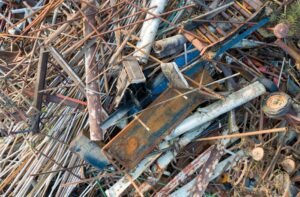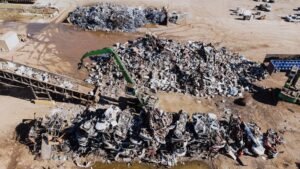

Scrap metal Silverwater NSW is a vital component of Australia’s circular economy, connecting local businesses, households, and industries with sustainable recycling solutions. With a growing demand for recycled metals and an emphasis on reducing environmental impact, understanding the grades of scrap metal, the recycling process, and the benefits of responsible disposal is essential. Whether you’re a homeowner with old appliances or a business managing industrial waste, Silverwater’s recycling ecosystem ensures efficient resource recovery and compliance with Australian environmental standards.
1. Understanding Scrap Metal Grades in Silverwater NSW
Scrap metal is categorized into distinct grades based on material composition, purity, and recyclability. In Silverwater NSW, common categories include:
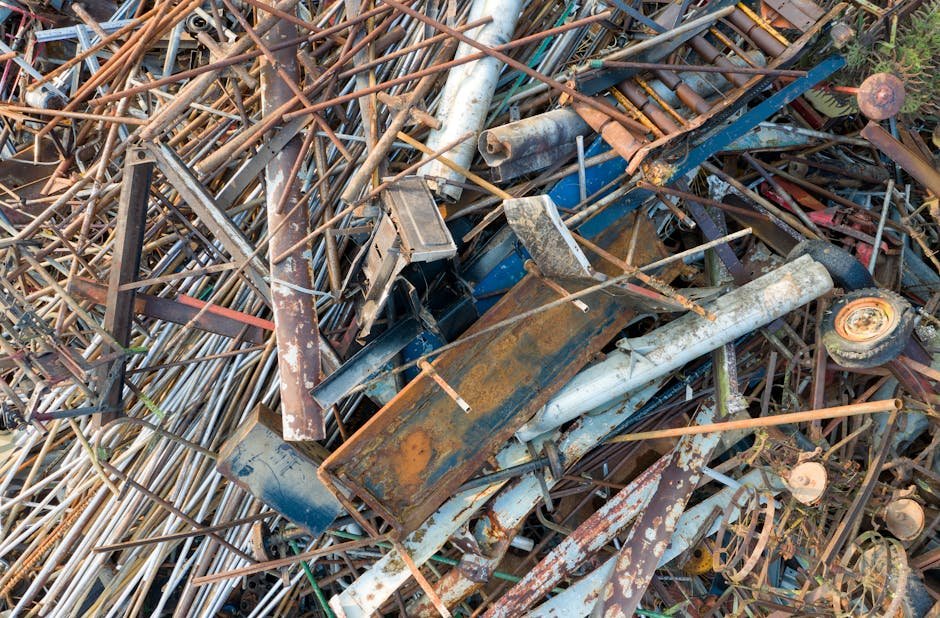
- Ferrous metals: Iron-based materials like steel and cast iron. These are magnetic and widely used in construction and manufacturing.
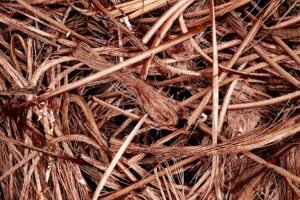
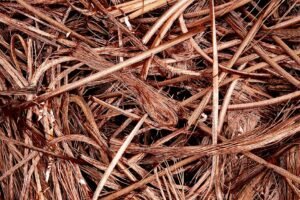
- Non-ferrous metals: Non-magnetic metals such as aluminum, copper, brass, and bronze. These are valued for their conductivity and corrosion resistance.
- Alloys: Mixed metals like stainless steel and nickel alloys, which require specialized separation techniques.
- Heavy equipment: Large machinery, vehicles, and industrial components that demand specialized processing.
Recyclers in Silverwater use advanced sorting technologies, including X-ray fluorescence and magnetism, to identify and separate these grades. For example, scrap metal prices for copper in 2026 are projected to rise due to increased demand in renewable energy projects, making it a high-value category for local collectors.
2. How Scrap Metal Recycling Works in Silverwater NSW
The recycling process in Silverwater follows a structured workflow to maximize efficiency and reduce waste:
- Collection: Individuals and businesses drop off scrap at licensed facilities like silverwater scrap metal centers or schedule pickups for large volumes.
- Sorting: Materials are separated using mechanical and manual methods. For instance, scrap metal recycling near me services employ eddy current separators to isolate non-ferrous metals.
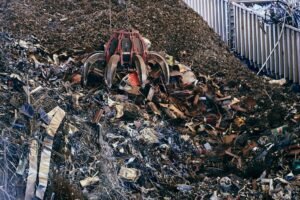
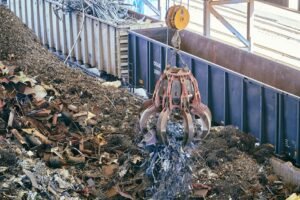
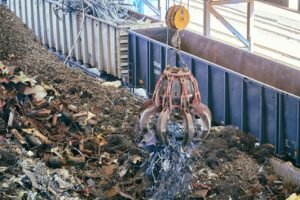
- Processing: Metals are shredded, compacted, or melted depending on their type. Steel, for example, is often shredded into scrap bales for easier transportation.
- Repurposing: Recycled metals are sold to manufacturers for use in new products, reducing the need for raw material extraction.
Local facilities in Silverwater prioritize compliance with NSW EPA regulations, ensuring that hazardous materials like lead-containing batteries are handled safely. For businesses, partnering with certified recyclers like scraptrade.com.au ensures adherence to these standards.
3. Environmental Benefits of Scrap Metal Recycling in Silverwater NSW
Recycling scrap metal in Silverwater significantly reduces environmental harm compared to traditional mining and production methods. Key benefits include:
- Reduced energy consumption: Recycling aluminum uses 95% less energy than producing new aluminum from bauxite ore.
- Lower greenhouse gas emissions: Reusing metals avoids the CO₂ emissions associated with mining, refining, and transporting raw materials.
- Landfill diversion: In 2025, NSW recycled 3.2 million tonnes of metals, diverting 1.8 million tonnes of waste from landfills.
- Resource conservation: Recycling one tonne of steel saves 2,500 pounds of iron ore and 1,400 pounds of coal.
For example, scrap metal recycling silverwater initiatives have helped the region achieve a 78% metal recovery rate, contributing to Australia’s goal of 80% national recycling by 2030.
4. Practical Tips for Selling Scrap Metal in Silverwater NSW
Maximize your returns when selling scrap metal in Silverwater by following these expert tips:
- Research market prices: Check scrap metal prices regularly, as they fluctuate with global demand. Copper and stainless steel often yield the highest payouts.
- Clean and sort metals: Remove contaminants like paint, plastic, and non-metal components to qualify for premium pricing. For instance, clean copper wiring fetches $1.20/kg, while dirty scrap may only earn $0.80/kg.
- Utilize bulk discounts: Large-scale sellers can negotiate better rates by delivering 5+ tonnes of scrap. Contact Sell Scrap Metal Near Me In 2026 for volume pricing options.
- Choose reputable recyclers: Verify certifications like ISO 14001 to ensure ethical and legal compliance.
Local residents can also participate in community programs like scrap metal recycling near me to earn rewards for small-scale contributions, such as recycling old appliances or car parts.
5. The Economic Impact of Scrap Metal Recycling in NSW
Scrap metal recycling in NSW generates over $2.3 billion annually, supporting 12,000 direct jobs and 25,000 indirect roles. Silverwater, in particular, has become a hub for innovation, with facilities investing in AI-powered sorting systems that boost productivity by 40%. For businesses, recycling scrap metal reduces disposal costs and offers tax incentives under the NSW Environmental Trust Fund. According to the Australian Recycling Industry Council, companies that integrate scrap.trade’s digital platforms can save up to 15% on recycling expenses through automated tracking and pricing comparisons.
6. Choosing the Right Scrap Metal Recycling Service
Selecting a reliable recycler is critical for both ecological and financial outcomes. Key factors to evaluate include:
- Licenses and certifications: Ensure compliance with NSW Environment Protection Authority (EPA) regulations.
- Processing capabilities: Choose facilities that accept your specific metal type, such as rare earth metals or heavy machinery.
- Transparency: Request detailed reports on how your scrap will be recycled and repurposed.
- Convenience: Opt for services offering free pickups, online scheduling, or drop-off locations like silverwater scrap metal centers.
For instance, scraptrade.com.au provides a comprehensive directory of approved recyclers in Silverwater, complete with customer reviews and real-time price updates.
7. Future Trends in Scrap Metal Recycling
The industry is evolving rapidly, with Silverwater at the forefront of several trends:
- Advanced sorting technology: AI and robotics now identify alloys with 99% accuracy, reducing human error.
- Circular economy models: Companies are designing products for easier disassembly and reuse, such as modular smartphones containing recyclable metals.
- Electric vehicle (EV) battery recycling: As NSW aims for 1 million EVs by 2030, facilities in Silverwater are preparing for increased demand for lithium and cobalt recycling.
- Blockchain for transparency: Platforms like scrap.trade are piloting blockchain to track a metal’s journey from collection to new product, ensuring ethical sourcing.
These innovations position Silverwater as a leader in sustainable metal recovery, attracting investments from global firms like Glencore and BHP.
8. Community Engagement and Education
Engaging the local community is vital for the success of scrap metal recycling initiatives. Silverwater organizations host workshops on topics like:
- Identifying high-value metals in household items (e.g., gold in circuit boards).
- Safe handling practices for hazardous materials like mercury-containing thermometers.
- Upcycling projects, such as turning scrap steel into public art installations.
School programs in Silverwater also teach students about the environmental impact of recycling through hands-on projects. For example, one initiative involved converting 2 tons of scrap metal into a 10-meter sculpture representing the region’s industrial heritage.
9. Challenges and Solutions in Scrap Metal Recycling
Despite its benefits, the industry faces challenges such as:
- Contamination: Non-metal debris in scrap loads can reduce its value. Solution: Promote public education on proper sorting.
- Price volatility: Fluctuating global markets affect local buyers. Solution: Use hedging strategies for large-volume sellers.
- Regulatory compliance: Navigating EPA and customs laws can be complex. Solution: Partner with certified brokers like scrap metal recycling near me.
By addressing these issues proactively, Silverwater’s recycling sector can maintain its competitive edge while ensuring long-term sustainability.
10. Conclusion: Embracing a Greener Future
Scrap metal Silverwater NSW exemplifies how recycling can drive environmental and economic growth. By understanding metal grades, adopting efficient recycling methods, and leveraging local resources, residents and businesses can contribute to a greener future. Whether you’re selling scrap for profit or reducing your carbon footprint, every tonne recycled makes a difference. As the industry evolves, staying informed and engaged—through platforms like scrap.trade—ensures you’re part of a sustainable, innovative community.
Final Tips for Success
- Regularly monitor scrap metal prices to time your sales strategically.
- Join local initiatives like scrap metal recycling silverwater programs for community rewards.
- Invest in proper storage to prevent rust and contamination before selling large volumes.
With commitment from all stakeholders, Silverwater can continue leading Australia’s transition to a circular economy—one scrap metal at a time.
Frequently Asked Questions
What are the most valuable scrap metal grades in Silverwater NSW?
Copper, stainless steel, and aluminum are typically the most valuable due to their high demand in manufacturing and construction sectors in NSW.
How does scrap metal recycling in Silverwater benefit the environment?
It reduces mining waste, lowers energy consumption by up to 95% compared to producing new metals, and diverts millions of tonnes of scrap from landfills annually in the region.
Can I sell small quantities of scrap metal in Silverwater?
Yes, many local recyclers accept small-volume items like appliances, car parts, or electronics. Check scrap metal recycling near me for convenient options.
What documentation is needed to sell scrap metal in NSW?
Businesses must provide proof of ownership (e.g., invoices) for bulk sales. Individuals typically only need to complete a quick registration form at facilities like silverwater scrap metal centers.