
When searching for professional scrap metal Sorell services, understanding the local market dynamics is the first step toward turning industrial waste into a profitable asset. Whether you are a local contractor, a demolition expert, or a homeowner clearing out a shed, navigating the complexities of metal recycling requires a strategic approach to sorting, cleaning, and timing your sales. By utilizing a reputable Metal Scrap Yard Near Me, you ensure that your materials are processed according to environmental best practices while securing competitive financial returns. The local industry in Tasmania has evolved significantly, shifting from simple collection to sophisticated resource recovery, making it essential for participants to stay informed about current Scrap Metal Prices to maximize their bottom line.
Understanding Metal Grades and Classification
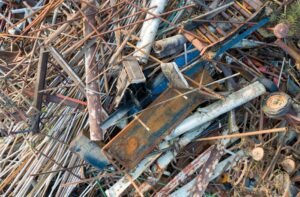
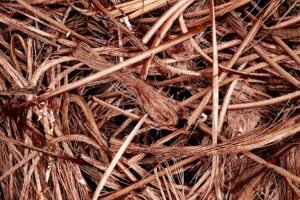
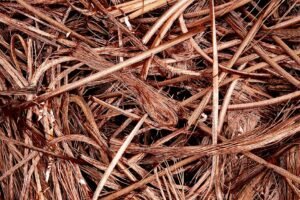
The foundation of any successful recycling venture is the ability to distinguish between different grades of metal. In the context of scrap metal Sorell operations, materials are primarily divided into two categories: ferrous and non-ferrous. Ferrous metals, which contain iron, include steel, cast iron, and wrought iron. While these are abundant, they generally command lower prices per kilogram compared to non-ferrous alternatives. Non-ferrous metals, such as copper, aluminium, brass, and lead, are highly sought after due to their infinite recyclability and lower energy requirements for secondary production. For instance, high-grade copper wire, stripped of insulation, is categorized as ‘bright and shiny’ and fetches a premium price. Conversely, aluminium is graded based on its purity—whether it is cast, extruded, or foil. Understanding these distinctions allows you to prepare your load effectively. If you are working with a company like Crg Scrap Metal, you will find that pre-sorting your load into these specific grades significantly speeds up the weighing process and prevents downgrading, which occurs when high-value metals are mixed with lower-value contaminants. Professional recyclers look for purity; even a small amount of plastic or rubber on a copper pipe can result in it being classified as a lower grade, costing you money. Always aim to remove attachments, screws, and non-metallic components before arriving at the yard.
The Mechanics of Professional Metal Recycling
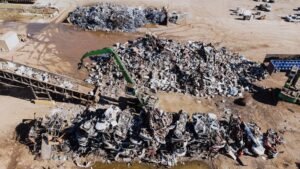
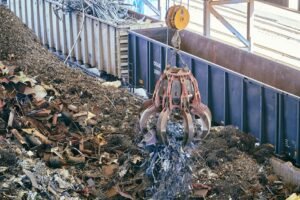
The recycling process at a modern facility is a marvel of industrial efficiency. Once your scrap is weighed on certified scales, it enters a stream of processing designed to reclaim valuable resources. For ferrous metals, powerful electromagnets are used to separate steel from other debris. Non-ferrous metals undergo a more rigorous process involving eddy current separators, which use magnetic fields to repel aluminium and other non-magnetic metals, effectively sorting them from the waste stream. This technical precision is why it is so important to provide clean, sorted scrap. When you engage with experts in Cash for Scrap Metal Sorell: Grades, Recycling & Cash Guide, you are participating in a circular economy that reduces the need for destructive mining. The energy savings are profound; recycling aluminium, for example, uses 95% less energy than producing it from raw bauxite ore. This energy efficiency is a primary driver of the global demand for recycled scrap. In Tasmania, regional facilities are increasingly investing in shredders and balers to consolidate material for export, which keeps the local market liquid and ensures that there is always a buyer for your scrap. By understanding how these machines function, you can better prepare your materials—such as cutting long pipes into manageable lengths or crushing bulkier items—to ensure they fit seamlessly into the recycling flow.
Environmental and Economic Benefits of Recycling
Recycling is not merely a financial transaction; it is a critical environmental imperative. Every tonne of scrap metal diverted from a landfill prevents the release of greenhouse gases associated with mining and refining virgin materials. In Sorell, the local recycling infrastructure plays a vital role in maintaining the pristine nature of the Tasmanian landscape. By choosing to recycle, you are directly contributing to the conservation of natural resources, including water and electricity. Furthermore, the economic impact is tangible. The scrap metal industry provides stable employment and supports local manufacturing by providing a steady supply of raw materials at a fraction of the cost of imported metals. For businesses, implementing a robust scrap management policy can turn a waste management cost into a revenue stream. This is where professional consultation becomes valuable; by auditing your waste stream, you can identify high-value scrap that may otherwise be discarded. You can find more information on industry standards and market updates by visiting Scrap Trade or exploring the comprehensive resources available at Scrap Trade Australia. These platforms provide the necessary insights to navigate the fluctuating global markets, helping you decide when to hold and when to sell your stockpiles. The environmental benefits are compounded when industrial players work together to create a streamlined logistics chain, reducing the carbon footprint associated with transporting heavy metal loads.
Strategic Tips for Maximizing Your Scrap Returns
To truly master the art of scrap metal Sorell recycling, you must adopt a strategic mindset. First, consistency is key. Establish a dedicated area on your site for sorting materials as they are generated, rather than waiting for a massive pile-up. This prevents cross-contamination and makes the final sorting process much faster. Second, invest in basic tools. A simple magnet is your most important tool; it will tell you instantly whether a piece of scrap is ferrous or non-ferrous. Third, pay close attention to the market. Prices for metals are tied to global commodities markets, which fluctuate based on demand from manufacturing hubs like China and India. While you cannot control these markets, you can time your sales to align with periods of high demand. Fourth, build a relationship with your local yard. Regular suppliers often receive better service and are kept informed about changes in grading requirements or upcoming price shifts. Finally, safety is paramount. Always wear appropriate personal protective equipment (PPE) when handling scrap, including heavy-duty gloves and steel-capped boots. Sharp edges and heavy loads pose real risks, and a professional attitude toward safety will be respected by yard operators. By following these practical steps, you transform from a casual recycler into a savvy trader who consistently secures the best possible value for their materials.
The Future of Metal Recovery in Tasmania
The future of the scrap industry is moving toward greater transparency and technological integration. As sustainability becomes a core pillar for both government and private industry, we expect to see more advanced sorting technologies being deployed in regional areas. This will likely lead to even more precise grading, which benefits the seller by ensuring they are paid exactly for the quality of the material they provide. Furthermore, the push for a circular economy means that manufacturers are increasingly looking for ways to incorporate recycled content into their products, further driving demand for high-quality scrap. For those in Sorell, this represents a long-term opportunity to capitalize on waste materials. As the global shift toward decarbonization accelerates, the value of recycled metals—particularly those used in electric vehicles and renewable energy infrastructure—is expected to rise. Staying ahead of these trends means keeping your scrap clean, dry, and well-sorted. Whether you are dealing with copper cabling, stainless steel offcuts, or old machinery, the principles of professional recycling remain the same. By committing to these practices, you are not only securing your financial future but also playing a crucial role in the sustainable development of the region. The industry is evolving, and those who take the time to understand the nuances of the trade will be the ones who benefit most from the coming changes in global metal demand.
Frequently Asked Questions
What is the difference between ferrous and non-ferrous metals?
Ferrous metals contain iron and are typically magnetic, such as steel and iron, while non-ferrous metals do not contain iron and include valuable materials like copper, aluminium, and brass. Non-ferrous metals are generally more valuable and highly sought after for their recyclability.
How can I get the best price for my scrap metal?
To get the best price, ensure your scrap is clean, free of contaminants like plastic or rubber, and sorted by metal type. Building a relationship with your local yard and monitoring global market trends will also help you time your sales for maximum profit.
Why is it important to remove attachments from scrap?
Attachments like screws, plastic insulation, or non-metallic components act as contaminants that lower the grade of your metal. Removing them ensures your load is classified as high-purity, which earns you a significantly higher price per kilogram.
Is recycling scrap metal good for the environment?
Yes, recycling metal significantly reduces the need for energy-intensive mining and refining of raw ores. It conserves natural resources, reduces landfill waste, and lowers greenhouse gas emissions associated with the production of virgin metals.