
Understanding the scrap metal steel price you can achieve today starts with knowing how ferrous markets work, which grades command a premium and how global trade flows translate into cents per kilo at the weighbridge. This pillar guide breaks down everything Australian suppliers, tradespeople and recyclers need to maximise returns and keep valuable ferrous metal out of landfill.
1. Current Scrap Steel Price Landscape in Australia
Scrap yards quote in $AUD per tonne but most of us think per kg; divide by 1,000 to compare. Typical current scrap prices for June 2024 across major east-coast depots:
- Heavy structural (HMS 1/2 80:20): $330–$370 per tonne | $0.33–$0.37 per kg
- Plate & girder (P&G) cut under 0.5 m: $300–$340 per tonne | $0.30–$0.34 per kg
- Rebar (clean, >6 mm): $260–$300 per tonne | $0.26–$0.30 per kg
- Light gauge sheet metal, white goods: $140–$180 per tonne | $0.14–$0.18 per kg
- Turnings & borings: $80–$120 per tonne | $0.08–$0.12 per kg
Prices vary by region: Newcastle and Port Kembla yards sit closer to export parity so often pay 3–5 c/kg above inland recyclers. Always ring ahead for metal prices today because a $10 USD swing in Turkish import prices can add or subtract $5 per tonne at the gate by tomorrow morning.
If you need indicative numbers for smaller lots, see our 1kg scrap metal price reference. For mixed loads of appliances and thin-gauge material review the dedicated Light Steel Scrap Price Sheet Metal Appliances page.
2. How Steel Scrap Prices Are Set — From Singapore Swaps to Your Local Yard
Contrary to popular belief there is no single “stock exchange” for scrap. Instead a matrix of global benchmarks, domestic mill capacity and dockside competition decide what a Sydney recycler can pay.
2.1 Global benchmarks
Turkey is the world’s largest importer of seaborne scrap for mild steel production. The weekly Turkish Import HMS 1/2 CFR Iskenderun index sets the base. When that index rises $20, East-Coast Australian exporters gain room to lift gate prices because they can now ship containers profitably. Domestic mills must match or risk losing feedstock to export markets.
2.2 AUD/USD and freight
Scrap is traded in US dollars. A 2-cent AUD slide can add ~$15 per tonne to the domestic equivalent, even if the steel price per tonne in USD is flat. Likewise, bunker-fuel surcharges influence whether it’s economic to send a container to Taiwan or keep metal in-country.
2.3 Mill demand & inventory cycles
Bluescope’s Port Kembla basic-oxygen furnace consumes ~2 Mt per year of scrap steel. When the mill undertakes a reline, short-term demand collapses and prices soften 5–10 c/kg. Conversely mini-mills like InfraBuild’s Rootyhill electric-arc furnace can swing intake quickly, tightening the spot market.
2.4 Yard processing costs
Shearing, baling, freight to port and radiation detection add ~$40–$50 per tonne. Yards therefore quote a spread to the export price to cover margin and risk. If you deliver pre-sorted, cut-to-spec material you capture a higher scrap metal steel price because you cut their processing time.
3. Grades of Ferrous Scrap — What to Separate for Maximum Dollars
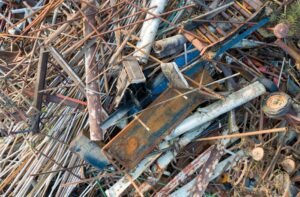
Not all ferrous metal is equal. Recyclers classify against ISRI (Institute of Scrap Recycling Industries) specifications. Knowing the grade language saves haggling and can add 5–15 c/kg.
3.1 HMS 1 & 2 (Heavy Melting Steel)
- HMS 1: Thickness ≥ 6 mm, size ≤ 1.5 m × 0.5 m, no re-rolling or coated material.
- HMS 2: May include galvanised or thin-wall sections; price discounted ~$20/t.
Top of the scrap ladder; achieve the headline current scrap prices if you keep it clean and separate from lighter mixed loads.
3.2 P&G (Plate & Girder)
Cut structural plate off mine sites or bridges. Mills love the density and consistent chemistry; yards pay only 1–2 c/kg under HMS.
3.3 Shred (mixed shredded scrap)
Auto bodies, white goods processed through hammer-mill. Density > 0.8 t/m³. Price typically 60–70 % of HMS but volume throughput is higher. If you have appliance shells, remove motors and copper to avoid downgrading.
3.4 Rebar bundles
Must be cut to 1 m and free of concrete. Contamination with lead-based paints can trigger price penalties; see our note on lead scrap metal price for cross-contamination risks.
3.5 Turnings, borings, swarf
Machine shop by-product. Oil content < 1 % and free of tungsten carbide tips. Usually sold by volume; compacting into briquettes lifts value 3–4 c/kg.
4. Recycling Process — From Ute to New Beam
Understanding the journey helps you prepare material that processors want and for which they pay the best scrap metal steel price.
4.1 Collection & sorting
At the weighbridge operators use handheld XRF guns to check for copper, chrome or high stainless steel attachments. Contamination determines whether your load is graded HMS or shred, a difference of 15 c/kg. If you’re unsure how to identify grades, Scrap.Trade’s recycling guides show colour-spark tests you can do on site.
4.2 Shearing & baling
Heavy gantry shears cut oversize beams to < 0.5 m for furnace charging. Denser bales mean lower freight cost per tonne and higher netback, so processors reward clean heavy cut with an extra 2–3 c/kg.
4.3 Shredding & separation
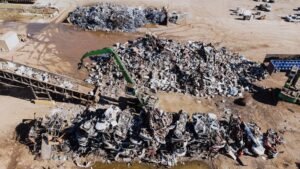
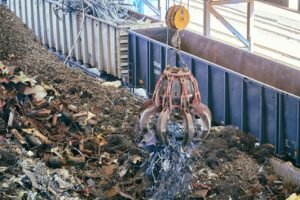
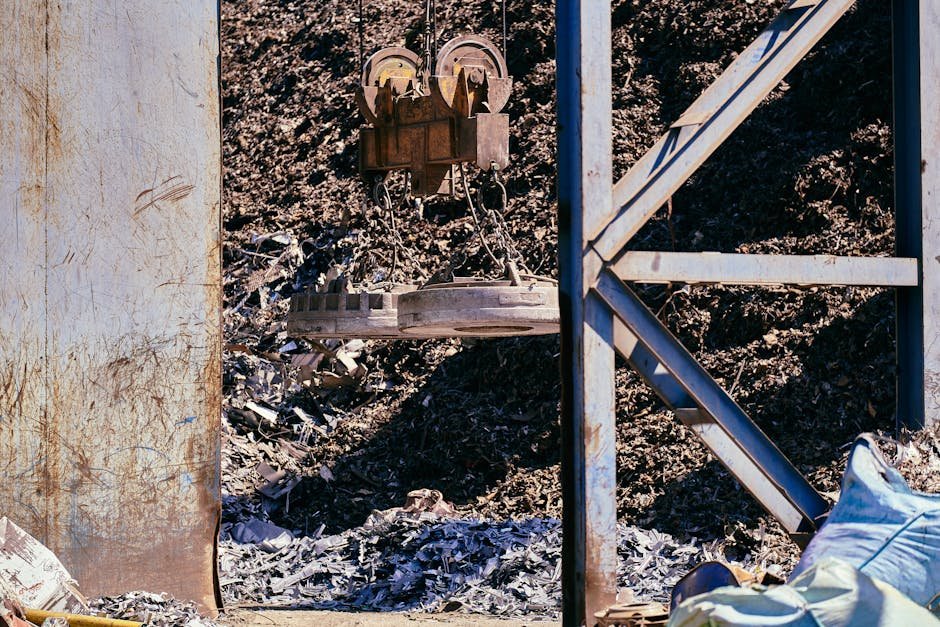
Hammer-mill plants shred 300–400 t per day. Powerful magnets extract scrap steel; eddy-current separators eject non-ferrous metals for separate sale. Advanced yards capture 95 % of metal, limiting landfill to < 5 %.
4.4 Export or domestic melt
Containers loaded at Port Botany head to Vietnam, Bangladesh or Taiwan. Domestic EAF mini-melts consume shredded or billet-grade scrap to produce rebar, merchant bar and sheet metal coils. Every tonne of recycled steel saves 1,131 kg of iron ore, 633 kg of coal and 54 kg of limestone.
4.5 Environmental benefits
- Energy saving: 74 % less energy than virgin ore route.
- CO₂ reduction: ~1.5 t avoided per tonne of scrap melted in EAF powered by renewable grid.
- Landfill diversion: Australia generates ~5 Mt of ferrous waste annually; recycling keeps 4.2 Mt in the circular economy.
For an in-depth look at carbon credits and sustainability metrics, ScrapTrade.com.au publishes quarterly impact reports showing how recyclers quantify environmental benefits.
5. Practical Tips to Maximise Your Scrap Metal Steel Price
Small changes in preparation can add $50–$100 to a 2-tonne load. Follow these field-tested tactics used by seasoned traders.
- Keep grades separate: Mixing light-gauge roofing with 10-mm plate averages you down to shred price. Use a grinder: if sparks fork, it’s likely high-tensile; long yellow streams indicate mild steel.
- Cut to spec: Heavy scrap over 0.6 m attracts a “double handling” penalty. A 60-second slice with an oxy torch can earn an extra 3 c/kg.
- Strip attachments: Copper wiring, rubber, wood and concrete > 1 % of total weight trigger downgrades. Remove window glass from door frames; detach electric motors for separate copper recovery.
- Deliver on strong demand days: Mills restock early week; Wednesday–Thursday often posts the week’s high. Track Turkish CFR indices on Monday evening; if it jumps $15, deliver before Friday when yards adjust.
- Negotiate on volume: If you bring > 5 t clean HMS, ask for “export parity minus $25”. Many processors will share margin to secure regular tonnage.
- Keep moisture out: Rain-soaked turnings are docked 3–5 % for swarf. Store under cover or tarp.
Looking to offload a mixed household pile? Our guide on how to Sell Scrap Metal Near Me In 2026 lists reputable yards by postcode and current gate requirements.
6. Stainless Steel vs Carbon Steel — Know the Spread
Contractors often mis-identify 304 or 316 as mild, giving away valuable nickel units. Stainless steel scrap trades at $1.20–$1.70 per kg—four to five times carbon steel. Always spark-test: stainless produces short reddish sparks with no fork. For live indicative rates, check our Stainless Steel Scrap Price page updated each trading day.
7. Market Outlook — Where Is the Scrap Metal Steel Price Heading?
Forecasts hinge on three drivers: Turkish demand, Chinese domestic steel margins and AUD volatility. Analysts at S&P Global expect Turkish CFR HMS to average $430/t H2-2024, implying Australian yard prices could reach $0.40/kg if currency holds at 0.66 USD. Domestically, BlueScope’s slab caster upgrade due October will lift scrap intake 200 ktpa, tightening spot supply. If the AUD weakens to 0.62, exporters will compete aggressively, potentially adding another 3–4 c/kg to gate prices. Suppliers who stockpile clean heavy grades through winter could realise 10–15 % upside by spring.
8. Regulatory Snapshot — What Laws Govern Scrap Trading in Australia?
Each state imposes cash-sale limits to deter metal theft. NSW mandates photo ID and no cash for transactions > $1,000; QLD requires real-time reporting to the police database. Interstate transport > 200 km needs a waste transport certificate under Queensland’s Waste Reduction and Recycling Act 2011. Ensure your supplier provides a Scrap Metal Seller’s Declaration; yards will not pay the published scrap metal steel price without it.
9. Technology Trends — Digital Weighbridge Apps and Instant Pricing
Yards now offer QR-code tickets that sync to your phone. Photos of the load auto-upload for dispute resolution. Some aggregators send SMS alerts the moment the Turkish index moves > $8, letting you time deliveries. Blockchain-based “scrap tokens” are piloting in South Australia, guaranteeing provenance for green-steel branding. Early adopters linking to these platforms report an extra 2 c/kg premium for verifiable carbon-savings data.
10. Conclusion — Turning Knowledge into Dollars
Australia’s scrap steel sector is mature yet highly price-sensitive. By understanding grade specifications, tracking the Turkish index and preparing material to ISRI standard, you can consistently capture the upper end of the scrap metal steel price range. Remember: clean, dense and correctly sized heavy melting steel will always find a buyer, whether in Port Kembla or Busan. Combine that with timely delivery and you convert scrap into a revenue stream that also cuts emissions and conserves ore. For daily updates, interactive calculators and yard contact lists, bookmark Scrap.Trade and stay ahead of the market.
Frequently Asked Questions
- How often do scrap steel prices change?
- East-coast yards typically adjust once or twice per week, but large mills can vary gate prices daily in line with the Turkish CFR index and currency moves.
- What is the difference between HMS and sheet metal scrap?
- HMS is thick structural steel > 6 mm and clean of attachments, commanding the top price. Sheet metal is light-gauge material like roofing or appliance skins, priced 40–50 % lower due to lower density and more processing.
- Can I get cash on the spot?
- NSW, VIC and SA prohibit cash payments above prescribed thresholds; expect EFT or cheque. QLD and WA still allow cash but require ID recording. Always bring photo ID for compliance.
- Does stainless steel affect my carbon steel price?
- Yes—if you fail to separate, the yard grades the entire load as mixed shred, losing you 10–15 c/kg. Remove and sell stainless separately for four times the value.
Frequently Asked Questions
How often do scrap steel prices change?
East-coast yards typically adjust once or twice per week, but large mills can vary gate prices daily in line with the Turkish CFR index and currency moves.
What is the difference between HMS and sheet metal scrap?
HMS is thick structural steel > 6 mm and clean of attachments, commanding the top price. Sheet metal is light-gauge material like roofing or appliance skins, priced 40–50 % lower due to lower density and more processing.
Can I get cash on the spot?
NSW, VIC and SA prohibit cash payments above prescribed thresholds; expect EFT or cheque. QLD and WA still allow cash but require ID recording. Always bring photo ID for compliance.
Does stainless steel affect my carbon steel price?
Yes—if you fail to separate, the yard grades the entire load as mixed shred, losing you 10–15 c/kg. Remove and sell stainless separately for four times the value.