
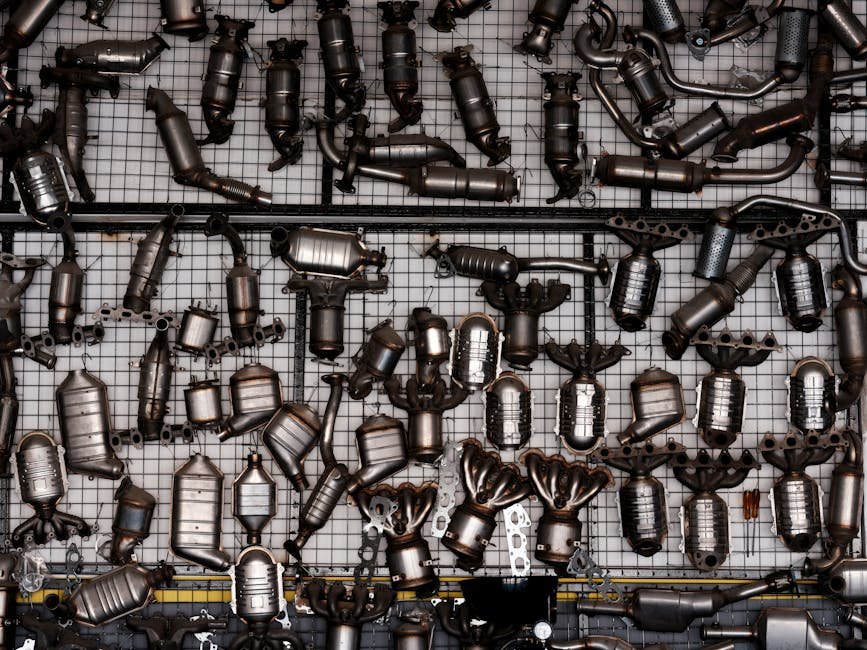

Understanding the market for catalytic converters scrap is essential for anyone involved in the automotive recycling industry or scrap metal trade. These components are not merely automotive parts; they are complex chemical reactors housing some of the most expensive and rare materials on the planet. As the automotive industry shifts toward stricter emission standards, the demand for these precious metals continues to rise, making the recovery of these components a critical pillar of modern industrial recycling.
The Anatomy and Value of Catalytic Converters
At its core, a catalytic converter is designed to transform toxic exhaust gases from internal combustion engines into less harmful substances. To achieve this, manufacturers utilize a ceramic honeycomb structure coated with a washcoat containing platinum group metals (PGMs). These metals—specifically platinum, palladium, and rhodium—act as catalysts. Because these metals are exceptionally rare and difficult to mine, the recycling of catalytic converters scrap has become a multi-billion dollar global industry. If you are interested in the broader context of the industry, you can learn more about What Scrap Trade Actually Is to understand how these components fit into the global commodity supply chain.
The value of a used converter is determined primarily by the concentration of these PGMs. Different vehicle models, engine sizes, and manufacturing years result in varying metal loads. For instance, a converter from a high-performance luxury vehicle often contains a higher density of rhodium, which is currently the most expensive of the three metals. Recyclers and traders must accurately assess these grades to provide fair pricing. For those looking to get the best return, understanding the nuances of Ecotrade Group Catalytic Converters is a vital step in ensuring you are working with reputable processors who utilize precise assay methods.
Grading and Identifying Precious Metal Content
Grading catalytic converters scrap is a sophisticated process that requires deep industry knowledge. Traders categorize converters based on their serial numbers, which correspond to specific manufacturer specifications. These specifications reveal the expected PGM content. In Australia, the market is highly competitive, and professional recyclers use handheld XRF (X-ray fluorescence) analyzers to determine the exact metal composition of the ceramic substrate.
The three main metals involved are:
- Platinum: Primarily used in diesel engines to oxidize carbon monoxide and hydrocarbons.
- Palladium: Widely used in gasoline engines to reduce nitrogen oxides and oxidize hydrocarbons.
- Rhodium: The most critical component for reducing nitrogen oxides, often found in the smallest quantities but with the highest price volatility.
Because the market for these materials is complex, it is recommended to consult a Sell Platinum Scrap Jewelry Catalytic Converters Industrial 2026 Guide to stay updated on current trends and valuation methodologies. Proper identification prevents the loss of value that occurs when high-grade units are accidentally sold as low-grade scrap.
The Recycling Process: From Scrap to Refined Metal
The recycling journey of a converter is a marvel of industrial chemistry. Once the scrap is collected, it undergoes a multi-stage refinement process. First, the unit is decanned—the steel housing is removed, and the ceramic honeycomb (the catalyst) is extracted. This ceramic is then milled into a fine powder. This powder is the “concentrate” that contains the precious metals.
The final extraction is typically done through a smelting process or a chemical leaching process. The powder is melted at extremely high temperatures, allowing the platinum group metals to separate from the ceramic and base metal impurities. This refined metal is then sold back to automotive manufacturers to create new catalytic converters, closing the loop. This circularity is the heart of the Australian scrap metal trading market, where efficiency and environmental responsibility go hand in hand.
Environmental Benefits and Regulatory Compliance
Recycling these components is not just about profit; it is a vital environmental necessity. Mining for platinum, palladium, and rhodium is an ecologically destructive process that requires moving massive amounts of earth and using toxic chemicals. By recovering these metals from existing scrap, we significantly reduce the need for virgin mining. This saves energy, reduces carbon emissions, and prevents the illegal dumping of hazardous automotive waste.
In Australia, environmental regulations are stringent. Scrap yards must ensure that the hazardous materials contained within the converters—such as heavy metals and ceramic dust—are handled according to EPA guidelines. When you are buying scrap catalytic converter units or selling them, you must ensure that your partners adhere to these environmental standards. Responsible recycling ensures that the industry remains sustainable and avoids the legal pitfalls associated with improper disposal.
Maximizing Your Returns: Practical Tips for Sellers
If you are looking to secure the best money for used catalytic converters, preparation is key. First, never remove the ceramic substrate yourself; the value is in the intact honeycomb structure. Second, maintain clear records of the serial numbers on your converters. Many buyers use these serial numbers to look up the exact PGM content in their proprietary databases.
Furthermore, timing your sales can impact your bottom line. Since PGM prices fluctuate daily based on global demand, keeping an eye on the commodities market is wise. If you are a professional workshop or a scrap collector, building a long-term relationship with a reputable refinery or a high-volume buyer like those found at Scrap Trade will provide you with more consistent pricing and better logistics support. Always ask for an assay report if you are selling in bulk, as this provides transparency and ensures you are paid for the actual metal content rather than a flat, unverified rate.
Market Trends and the Future of Catalytic Converters
The future of the converter market is tied to the evolution of the automotive industry. While electric vehicles (EVs) do not use catalytic converters, the transition to a fully electric fleet will take decades. In the meantime, hybrid vehicles continue to use advanced catalytic systems, and the global demand for PGM-based emission control remains robust in developing markets. Additionally, the industrial applications for these metals—such as in hydrogen fuel cells—suggest that the demand for recovered platinum and palladium will remain high even as internal combustion engines eventually phase out.
For those currently in the trade, the key is to adapt. Focus on high-quality collection, accurate grading, and maintaining compliance with environmental standards. By positioning your business as a reliable link in the supply chain, you can capitalize on the inherent value of these components. The industry is professionalizing, and those who embrace technology and transparency will lead the market in the coming years.
Safety and Logistics in Handling Scrap
Handling automotive scrap requires attention to safety. Catalytic converters are heavy, and the steel housings can have sharp edges. Furthermore, the ceramic inside can be friable, creating dust that should not be inhaled. Always wear appropriate personal protective equipment (PPE), including gloves, safety glasses, and dust masks, when handling or transporting these units. Logistics also play a role; because these items are high-value, secure storage and reliable transport are essential to prevent theft and loss. Always work with licensed carriers and ensure your inventory is documented from the moment of acquisition until it reaches the final processor.
Conclusion
The trade of catalytic converters is a sophisticated sector that sits at the intersection of automotive engineering, precious metal commodities, and environmental stewardship. By understanding the grades, the recovery process, and the market dynamics, you can navigate this industry with confidence. Whether you are a workshop owner, a scrapyard operator, or an independent collector, the value inherent in these components is significant. By choosing to recycle responsibly and working with reputable partners, you contribute to a more sustainable future while maximizing your financial returns. Remember that the market rewards those who are informed, compliant, and strategic in their approach to PGM recovery.
Frequently Asked Questions
- Why is the price of catalytic converters so high?
The price is driven by the scarcity and high industrial demand for platinum, palladium, and rhodium. These precious metals are essential for reducing vehicle emissions and are difficult to extract from the earth, making recycled sources extremely valuable. - How do I know the value of my catalytic converter?
Value is determined by the specific PGM content, which is tied to the converter’s serial number and the vehicle model it came from. Professional buyers use specialized databases and XRF analyzers to provide an accurate valuation based on current market prices. - Is it legal to sell catalytic converters scrap?
Yes, it is legal, provided that the converters are obtained through legitimate means and sold to licensed recyclers or traders. You should always maintain records of your purchases and sales to comply with local regulations and prevent the trade of stolen goods. - What happens to the ceramic material after the metals are removed?
Once the precious metals are extracted, the remaining ceramic substrate is often processed and reused in other industrial applications or disposed of in accordance with environmental regulations. The goal of the recycling process is to ensure 100% material recovery and minimal waste.
Related: money for used catalytic converters