
When you are selling used catalytic converter units, you are essentially trading in a high-value commodity that contains precious metals. These components are critical for reducing vehicle emissions, but for the scrap industry, they represent a significant source of platinum group metals (PGMs). Understanding the market, the grading process, and the legal requirements is essential for anyone looking to maximize their returns in the Australian scrap market.
The Value Behind the Shell: Understanding Platinum Group Metals
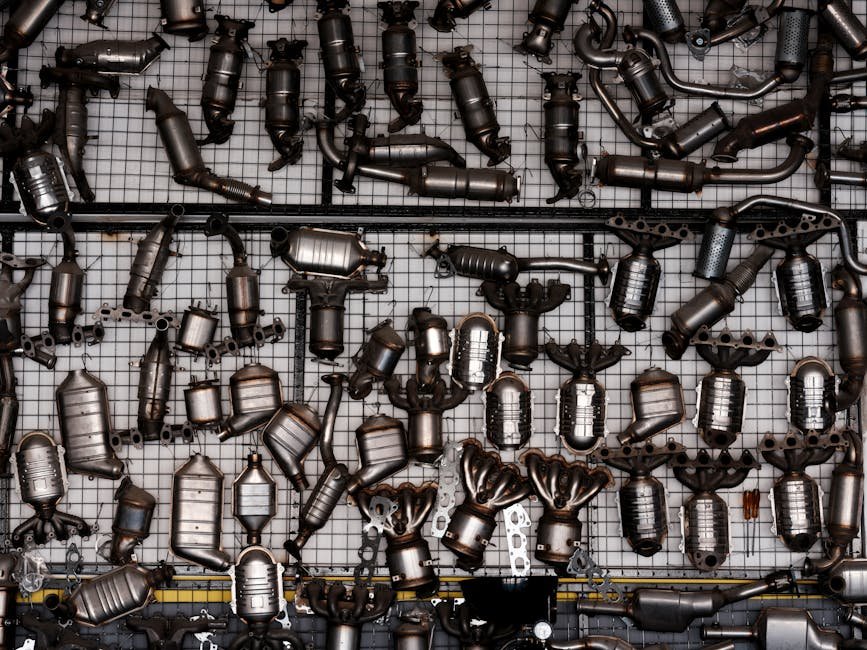
The primary reason for the high value of a cat converter lies in its internal honeycomb structure, known as the monolith. This ceramic or metallic substrate is coated with a washcoat containing platinum, palladium, and rhodium. These are the platinum group metals, and they are among the rarest and most valuable elements on Earth. Because these metals facilitate the chemical reactions that convert toxic gases into less harmful emissions, their demand in the automotive industry remains consistently high.
When you engage in the process of selling used catalytic converter components, you are not just selling scrap steel; you are selling a concentrated mineral deposit. The market price for these metals fluctuates daily based on global supply chains, mining output, and automotive industry manufacturing trends. If you want to understand how these prices are determined, you should read our guide on Selling Catalytic Converters How To Maximize Your Profit Safely. Because these metals are so precious, even a small unit can yield significant financial returns if it is graded correctly by a professional buyer.
How to Identify and Grade Your Catalytic Converter
Before you approach a scrap dealer, you must understand what you have. Catalytic converters are not one-size-fits-all. They are categorized by their serial numbers, which are typically stamped directly onto the housing. These serial numbers are the key to unlocking the specific PGM content inside your unit. Professional recyclers use these codes to look up the exact amount of platinum, palladium, and rhodium in the unit, which dictates the price they can offer.
If the serial number is rusted or illegible, the value becomes much harder to determine. In these cases, some recyclers may offer a lower ‘generic’ price, while others might use X-ray fluorescence (XRF) testing to determine the metal content. For those looking for a reliable way to assess their inventory, we recommend using the Ecotrade Catalytic Converter database as a benchmark for valuation. Always aim to keep your units intact; cutting them open or removing the ceramic honeycomb can lead to significant material loss and drastically reduce your payout.
Where to Sell: Choosing the Right Scrap Dealer
Finding the right buyer is the most important step in the process. Not all scrap yards are created equal. You want to work with a buyer who is transparent about their pricing, uses accurate scales, and understands the current market rates for PGMs. If you are looking for a trusted partner, you can Sell My Catalytic Converter through our professional platform, which ensures you receive a fair market valuation based on real-time data.
When evaluating where to sell, consider the following factors:
- Licensing: Ensure the buyer is a licensed scrap metal dealer in your state.
- Transparency: Do they show you the serial number lookup? Do they explain how they arrived at the price?
- Market Data: Do they adjust their prices based on daily fluctuations in the commodities market?
- Logistics: Do they offer pickup services for bulk lots, or do you need to transport them yourself?
For those looking for a broader overview of the industry, our main portal at Scrap Trade provides extensive resources on market trends. Furthermore, if you are located in Australia, you can find local expertise by visiting Scrap Trade Australia to connect with regional buyers who specialize in automotive recycling.
Documentation and Legal Requirements in Australia
The scrap metal industry in Australia is heavily regulated to prevent the trade of stolen goods. When you are selling used catalytic converter units, you must be prepared to provide documentation. Most states now require scrap dealers to verify the identity of the seller. This means you should have a valid driver’s license or government-issued photo ID ready when you arrive at the yard.
Additionally, some jurisdictions require a record of where the converter was sourced. If you are a mechanic or a salvage yard operator, keeping detailed logs of your vehicle intake is a legal requirement. These records help ensure the traceability of the parts and protect you from potential legal issues. Never deal with ‘cash-in-hand’ operators who refuse to take your details; these transactions are often illegal and rarely offer the best price for your materials.
Maximizing Your Profit: Tips for Sellers
To get the best price, timing is everything. Because PGM prices fluctuate, keep an eye on the market. If palladium prices are on an upward trend, it is a great time to sell. Conversely, if the market is dipping, you might consider holding onto your stock until the value recovers. However, for most individuals, the best strategy is to accumulate a small stockpile and sell in bulk, as many dealers offer better rates for larger quantities.
Another tip is to avoid ‘cherry-picking’ your high-value units. Some sellers try to sell the high-value converters separately and then dump the low-value ones, but this can actually hurt your relationship with the buyer. A consistent, professional approach often leads to better long-term pricing agreements. If you are interested in the mechanics of the trade, check out our resources on buying scrap catalytic converter stock to understand the buyer’s perspective. Understanding the profit margins of the person you are selling to can help you negotiate more effectively.
The Environmental and Economic Impact of Recycling
Recycling catalytic converters is a cornerstone of the circular economy. By recovering platinum, palladium, and rhodium, we reduce the need for environmentally destructive mining operations. These metals are finite, and the energy required to mine and refine them is significantly higher than the energy required to recycle them from existing scrap units. When you sell your used converters to a legitimate recycler, you are participating in a sustainable supply chain that supports the automotive industry while minimizing environmental harm.
Furthermore, the economic impact is substantial. The trade in scrap metals supports thousands of jobs in Australia, from the local collection yards to the large-scale processing facilities that refine the metals back into industrial-grade commodities. When you receive money for used catalytic converters, that capital is reinvested into the local economy, helping to sustain the businesses that keep our vehicles running and our roads safe.
Common Pitfalls to Avoid
The most common mistake sellers make is failing to do their due diligence. Never accept a price without knowing the serial number or the approximate weight of your material. Some unscrupulous buyers may try to ‘lowball’ sellers who do not appear to have industry knowledge. Always ask for a breakdown of the price: how much is for the base metal, and how much is for the precious metal content?
Another pitfall is improper storage. Catalytic converters are sensitive to moisture and physical damage. If the ceramic interior is crushed or contaminated with oil or debris, the value will plummet. Store your units in a dry, covered area and handle them with care. If you are dealing with a large volume, consider palletizing them to prevent damage during transport. Remember that the value is in the chemistry, so keeping the internal components clean and intact is paramount.
Future Trends in the Catalytic Converter Market
The automotive industry is shifting toward electric vehicles (EVs), which do not use catalytic converters. Some might assume this means the market for scrap converters is dying, but the reality is quite the opposite. There are hundreds of millions of internal combustion engine vehicles currently on the road that will require maintenance and parts replacement for decades to come. The supply of scrap converters will remain high for the foreseeable future, and the demand for recycled PGMs will likely increase as mining becomes more expensive and difficult.
As we look to the future, technology in the recycling space is also advancing. New methods for extracting metals with higher purity and lower environmental impact are being developed. This means that the scrap industry will continue to become more efficient, potentially leading to better prices for sellers. Staying informed about these technological shifts will keep you ahead of the curve and ensure you are always getting the best value for your scrap.
Conclusion: Turning Scrap into Revenue
Selling used catalytic converter units is a sophisticated process that rewards those who take the time to learn the market. By understanding the value of platinum group metals, keeping accurate records, and choosing a reputable partner, you can turn what many see as automotive waste into a significant revenue stream. Whether you are a professional mechanic or an individual recycler, the principles remain the same: knowledge is your greatest asset.
As you continue your journey in the scrap metal industry, remember to lean on professional resources and tools. From identifying serial numbers to tracking market fluctuations, being prepared is the best way to ensure you are getting the best price. Start by auditing your current inventory, verifying your units, and connecting with a trusted buyer. The market for precious metals is waiting, and with the right approach, you can maximize your returns while contributing to a vital, sustainable global industry.
Frequently Asked Questions
How do I find the serial number on my catalytic converter?
The serial number is typically stamped or etched onto the metal casing of the converter. You may need to use a wire brush to remove rust or dirt to make the code visible.
Why do prices for catalytic converters change so often?
Prices are tied directly to the global market value of platinum, palladium, and rhodium. These precious metal prices fluctuate daily based on supply, demand, and geopolitical factors.
Do I need a license to sell catalytic converters?
In most Australian states, you do not need a special license to sell your own scrap, but you must provide valid government-issued photo identification to the scrap dealer for their records.
Is it worth it to cut open a catalytic converter to sell the contents?
No, it is highly discouraged. Removing the ceramic honeycomb or cutting the unit open usually results in a loss of material and makes it impossible for the buyer to verify the unit’s serial number, which will significantly lower your payout.