
Understanding the aluminium scrap price Sydney is essential for anyone involved in the metal recycling industry, from trade contractors to industrial manufacturers. Because aluminium is a globally traded commodity, local rates are inextricably linked to international market dynamics. Whether you are clearing out a job site or managing industrial waste, knowing the value of your scrap is the first step toward maximizing your returns. In this comprehensive guide, we explore the nuances of the Australian market, how to identify different grades of scrap, and the environmental impact of your recycling choices.
Understanding the Aluminium Market and Pricing Mechanisms
The aluminium scrap price Sydney is not a static figure; it is a reflection of a complex global supply chain. At the heart of this pricing structure is the London Metal Exchange (LME), which sets the baseline for aluminium price movements worldwide. When you look up current scrap prices, you are essentially looking at a local derivative of these global benchmarks, adjusted for currency exchange rates, logistics, and regional demand.
In Australia, metal recyclers often use a formula that accounts for the LME cash price, the AUD/USD exchange rate, and the ‘premium’—which covers the cost of shipping and local processing. If you are looking for broader market context, our Scrap Price Forecast Guide provides deeper insights into how these variables shift over time. Unlike other metals, aluminium is highly sensitive to energy prices because the smelting of primary aluminium is incredibly energy-intensive. Consequently, when energy costs spike, the value of recycled aluminium (secondary aluminium) often rises as it requires 95% less energy to produce than virgin metal.
For those operating across state lines, it is helpful to compare rates. For instance, you might find that the scrap aluminium price qld differs slightly from Sydney due to local manufacturing demand and transport costs to export hubs. To stay informed on how these values translate to international trade, review our guide on How To Price Scrap For Export Markets.
The Critical Role of Aluminium Grades in Valuation
Not all scrap is created equal. To get the best price per kg, you must understand how recyclers categorize their intake. The aluminium scrap price Sydney recyclers offer will depend heavily on the chemical composition and cleanliness of your material.
- Aluminium Extrusion (6063): This is the ‘gold standard’ for recyclers. Commonly found in window frames, door frames, and architectural structures, it is highly sought after because it is relatively pure and easy to re-melt into new profiles.
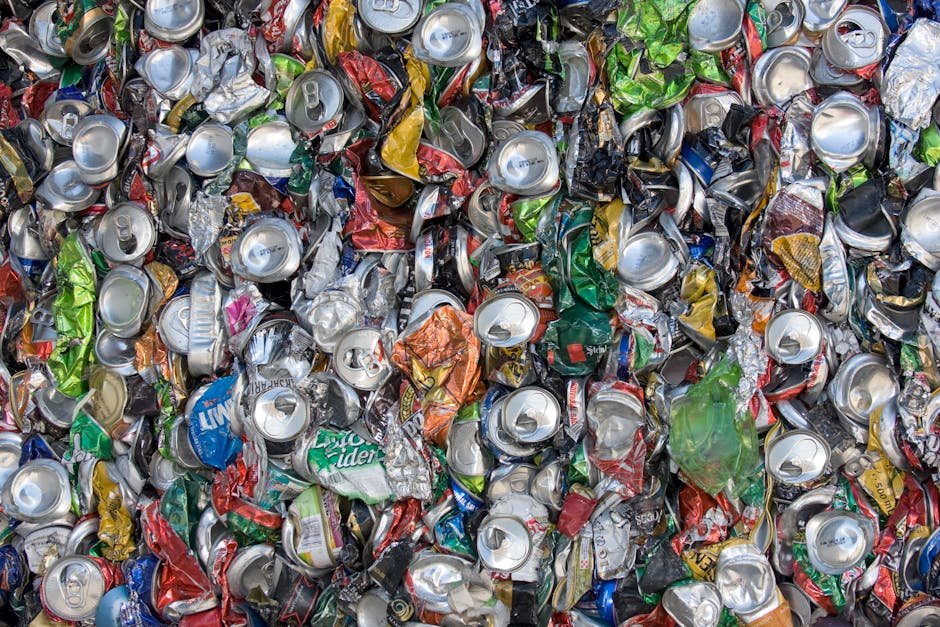
- Aluminium Cans (UBCs): Used Beverage Cans are a high-volume commodity. While the price per tonne might be lower than high-grade extrusion, the consistency and ease of processing make them a staple for large-scale recycling facilities.
- Cast Aluminium: Found in engine blocks, gearboxes, and lawnmower decks. This grade often contains impurities like silicon, which necessitates a different sorting process.
- Aluminium Wire and Cable: Often found in electrical infrastructure. If the insulation has been stripped, this material commands a premium price due to its high conductivity and purity.
- Mixed/Dirty Aluminium: This includes scrap with steel screws, plastic attachments, or paint. Because this requires mechanical separation or ‘sweating’ (melting off impurities), the payout is significantly lower.
By keeping your scrap separated by grade, you significantly increase your bargaining power. Mixing high-grade extrusion with low-grade cast aluminium will result in the recycler paying you for the lowest grade in the bin. Always aim for ‘clean’ scrap—free of attachments, grease, and non-metallic contaminants.
How Recycling Works: From Scrap to Secondary Metal
The process of al recycling is a marvel of modern efficiency. Once your scrap reaches a facility in Sydney, it undergoes a rigorous transformation. First, the material is weighed to determine the payout. Then, it is sorted—often using X-ray fluorescence (XRF) technology or dense media separation—to ensure that alloys are not contaminated with other metals like copper or zinc.
If you are dealing with other metals alongside your aluminium, you might also be interested in our resources on the Stainless Steel Scrap Price or the current scrap copper price. After sorting, the aluminium is shredded into small pieces to remove coatings and labels. These ‘chips’ are then melted in a furnace. The molten metal is then cast into ingots or billets, which are sold back to manufacturers to create everything from new car parts to beverage cans. This ‘closed-loop’ system is the reason why nearly 75% of all aluminium ever produced is still in use today.
For businesses looking for a professional partner, Australian metal recycling services offer the logistics and scale required to handle large industrial volumes. Alternatively, you can browse our primary platform at Scrap Trade to connect with a wider network of buyers and sellers.
Factors Affecting Metal Prices Today
When monitoring metal prices today, several macroeconomic factors come into play. Understanding these will help you decide whether to sell your scrap now or hold onto it for a potentially higher return.
- Global Manufacturing Output: When construction and automotive sectors are booming, demand for aluminium rises, pushing prices up.
- Energy Prices: Because aluminium production is energy-intensive, high electricity costs make primary aluminium more expensive to produce, which in turn increases the value of recycled aluminium.
- Inventory Levels: If LME warehouses are overflowing with stock, prices tend to soften. Conversely, low inventory levels create scarcity, driving prices higher.
- Logistics and Freight: Sydney is a major hub, but transport costs to reach smelters or ports can fluctuate. Fuel surcharges often impact the final offer you receive at the weighbridge.
It is also worth noting that the aluminium scrap price Sydney is influenced by local policy changes, such as container deposit schemes or government initiatives aimed at reducing industrial landfill waste. These programs often incentivize the collection of aluminium, which can lead to more stable, if not higher, prices for the average recycler.
Environmental Benefits of Aluminium Recycling
Beyond the financial incentives, recycling aluminium is one of the most impactful environmental actions a business or individual can take. The production of primary aluminium from bauxite ore requires massive amounts of electricity and results in significant carbon emissions. In contrast, recycling aluminium saves approximately 95% of the energy required to produce new metal.
By choosing to recycle, you are actively reducing the need for bauxite mining, which destroys natural habitats and disrupts ecosystems. Furthermore, the reduction in energy consumption directly correlates to a lower carbon footprint for the entire manufacturing sector. When you sell your scrap, you aren’t just getting paid; you are participating in the circular economy, ensuring that valuable resources remain in the supply chain rather than ending up in a Sydney landfill.
Practical Tips for Maximizing Your Scrap Returns
To ensure you are getting the best aluminium scrap price Sydney has to offer, follow these expert tips:
- Clean Your Scrap: Remove all non-aluminium attachments. A few steel bolts on an aluminium frame can downgrade the entire load from ‘clean’ to ‘dirty.’
- Sort by Alloy: If you have a large quantity of scrap, try to separate the different types of aluminium. Extrusion, sheet, and cast aluminium should be kept in separate containers.
- Watch the Market: Keep an eye on the aluminium price trends. If the market is trending upward, it may be worth storing your scrap for a few weeks if you have the space.
- Build a Relationship: If you are a regular supplier, talk to your local yard manager. High-volume, consistent suppliers are often offered better rates than one-off sellers.
- Use Reliable Scales: If you are selling large volumes, ensure the facility uses certified, calibrated scales. Transparency is key to a fair transaction.
By treating your scrap as a valuable raw material rather than ‘waste,’ you shift your mindset from disposal to resource management. This professional approach will consistently yield better financial results over the long term.
The Future of the Sydney Scrap Market
The Sydney scrap market is evolving. With increased pressure on sustainability and the push toward a net-zero future, the demand for recycled aluminium is expected to grow. Manufacturers are increasingly looking for ‘green’ aluminium to meet their own ESG (Environmental, Social, and Governance) targets. This shift is likely to support the long-term value of scrap metal, making it a reliable asset class for those in the construction, demolition, and manufacturing sectors.
As technology improves, we expect to see even more efficient sorting methods, which will increase the purity of recycled batches and potentially allow for higher prices across the board. Staying connected with industry leaders and utilizing digital platforms to track market shifts will be crucial for anyone looking to stay ahead in the competitive Sydney metal trading landscape.
Conclusion
Navigating the aluminium scrap price Sydney market requires a blend of local knowledge and global awareness. By understanding the factors that drive prices, the importance of grading your materials correctly, and the environmental necessity of recycling, you can turn your scrap into a significant revenue stream. Whether you are a small contractor or a large industrial firm, the principles of cleanliness, sorting, and market timing remain the same. Use the resources provided in this guide to make informed decisions, and remember that every kilogram of aluminium you recycle contributes to a more sustainable and profitable future for Australia.
Frequently Asked Questions
What is the best way to get the highest price for my aluminium scrap?
The best way to maximize your return is to ensure your aluminium is ‘clean’ by removing all steel, plastic, and rubber components. Additionally, sorting your scrap by alloy type—such as separating extrusions from cast aluminium—will consistently fetch a higher price per kg.
How often do aluminium scrap prices change in Sydney?
Aluminium scrap prices in Sydney can fluctuate daily, mirroring the volatility of the London Metal Exchange (LME) and changes in the AUD/USD exchange rate. It is recommended to check current market rates with your local recycler immediately before you plan to sell.
Does the grade of aluminium really make a difference to the price?
Yes, the grade is the primary factor in determining value. High-purity aluminium like 6063 extrusion is worth significantly more than mixed or ‘dirty’ aluminium because it requires less energy and processing to be reused in high-quality manufacturing.
Is it worth recycling small amounts of aluminium?
While small amounts may not yield a large financial return, recycling is always worthwhile for environmental reasons and to keep scrap out of landfills. For the best financial return, it is usually better to aggregate your scrap until you have a substantial load to justify the transport and processing effort.