
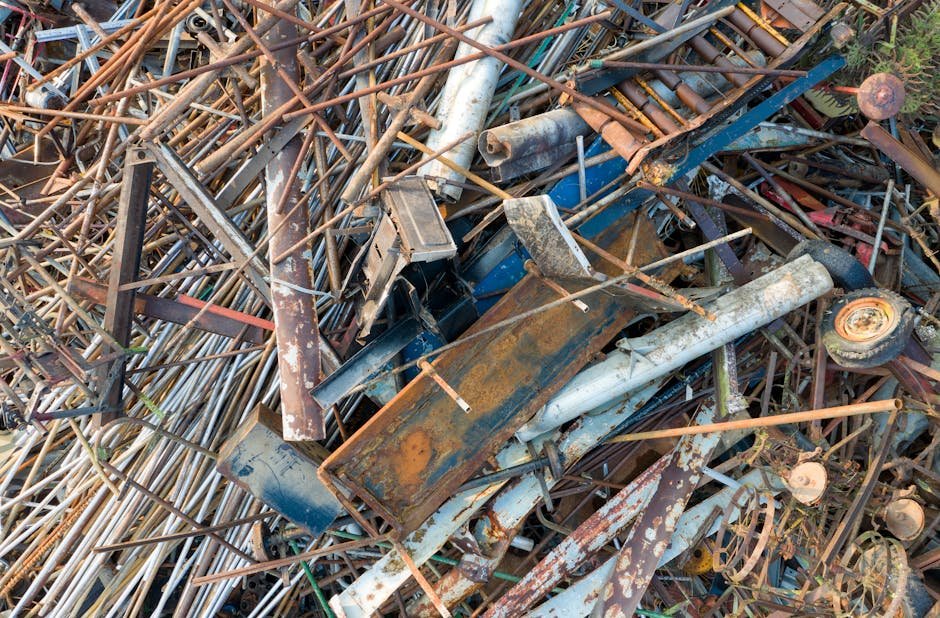

Navigating the complex world of carbide scrap metal prices requires an understanding of both global industrial demand and the specific metallurgical composition of your materials. As a high-value industrial byproduct, tungsten carbide is a critical component in manufacturing, mining, and tooling sectors across Australia. Because it contains tungsten—a rare and dense heavy metal—it commands a significantly higher market value than common ferrous metals. To stay informed on the broader market, you can always check Scrap Metal Prices to see how other commodities are performing.
Understanding the Market Value of Carbide
Tungsten carbide is not a single material but a composite, usually consisting of tungsten carbide particles bonded with a cobalt binder. Because this material is essential for high-speed cutting tools, drill bits, and mining equipment, its value is tied to the scarcity of tungsten ore. When evaluating carbide scrap metal prices, traders look at the purity of the tungsten content. Unlike aluminum scrap metal prices, which fluctuate based on energy costs and primary production volume, carbide value is driven by industrial consumption and the cost of recycling the material back into a usable powder form.
For those looking to trade, it is important to distinguish between clean carbide and carbide contaminated with braze, steel, or other alloys. The presence of contaminants requires additional processing, which lowers the overall price per kg you will receive. If you are a business or individual looking to offload materials, finding a reputable buyer is key. You can search for Scrap Metal Prices Near Me to find local facilities capable of handling specialized carbide recycling.
Factors Influencing Current Scrap Metal Prices
Several macroeconomic and microeconomic factors dictate the daily fluctuations in metal value. First, global supply chain stability plays a massive role. Since a large portion of the world’s tungsten is sourced from specific regions, any geopolitical instability or changes in mining output will directly impact carbide scrap metal prices. Additionally, the strength of the Australian dollar against the US dollar affects the import and export costs of these materials.
Furthermore, the demand from the automotive and aerospace industries is a major driver. As the world transitions toward electric vehicles, the demand for high-precision components—which require carbide tooling for manufacturing—remains high. Even when dealing with professional metal recycling services, understanding that your scrap is part of a global circular economy helps in negotiating better rates. When checking Current Scrap Metal Prices, remember that carbide is often treated as a specialty metal rather than a bulk commodity, meaning it may be subject to different pricing schedules than steel or copper.
Grades of Carbide Scrap: What You Need to Know
Not all carbide is created equal. To get the best return, you must understand the grading system used by recyclers:
- Solid Carbide Tools: These are the most valuable. They include end mills, drills, and inserts that are made entirely of tungsten carbide. They have the highest tungsten content and require the least amount of processing.
- Carbide Inserts: These are small, replaceable tips used in industrial lathes. While valuable, they are often coated with materials like titanium nitride or aluminum oxide, which must be removed during the recycling process.
- Mining/Wear Parts: These are larger pieces used in heavy-duty drilling or crushing equipment. They often have steel components attached (like drill shanks), which must be removed to achieve the highest price per kg.
- Sludge and Powder: This is a byproduct of the grinding process. It contains carbide particles mixed with coolant and grinding dust. It is much harder to process and therefore commands a lower price.
Always ensure your material is sorted correctly. Mixing grades, such as putting steel-contaminated pieces with pure solid carbide, will result in a lower “blended” price. Visit our main platform to learn more about how to prepare your scrap for maximum valuation.
The Recycling Process: From Scrap to New Tooling
The recycling of tungsten carbide is a sophisticated metallurgical process. Once the scrap is collected, it undergoes a rigorous sorting phase. X-ray fluorescence (XRF) analyzers are often used to determine the exact chemical composition of the material. Once sorted, the carbide is processed through one of two primary methods: the Zinc Process or the Chemical Process.
In the Zinc Process, the scrap is heated in a molten zinc bath. The zinc breaks the bond between the tungsten carbide particles and the cobalt binder. The zinc is then distilled off, leaving behind a porous carbide mass that can be crushed and milled into a fine powder. This powder is then repurposed to create new tools. This circularity is why the industry is so focused on scrap carbide prices—it is far cheaper and more environmentally friendly to recycle existing tungsten than to mine new ore.
Environmental Benefits and Sustainability
Recycling tungsten carbide is a cornerstone of sustainable manufacturing. Tungsten mining is energy-intensive and has significant environmental impacts, including soil erosion and water contamination. By recycling, we reduce the need for virgin material extraction. Furthermore, the energy required to recycle carbide is significantly lower than the energy required to refine tungsten ore into a usable state.
For industries involved in auto parts and vehicle recycling, the role of carbide is often overlooked. However, as end of life vehicle (ELV) processing becomes more advanced, the recovery of high-value alloys from car wreckers is becoming a priority. By integrating carbide recycling into the broader vehicle recycling ecosystem, we can ensure that valuable resources are kept out of landfills and returned to the industrial supply chain.
Practical Tips for Maximizing Your Returns
If you are looking to sell your scrap, follow these professional tips to ensure you are getting the best value:
- Keep it Clean: Remove as much steel, plastic, and other debris as possible. The cleaner the load, the higher the price per kg.
- Sort by Grade: If you have large quantities, separate your solid carbide from your inserts and mining bits.
- Store Properly: Keep your carbide in a dry, covered area to prevent oxidation and contamination, which can affect the recycling process.
- Build Relationships: Work with a consistent buyer who understands your volume and material type. Reliability often leads to better pricing tiers.
- Stay Informed: Monitor market trends. While you cannot control the global market, knowing when prices are trending upward can help you decide when to sell your accumulated stock.
The scrap metal industry is a professional sector. Treating your materials with care and presenting them in a way that is easy for the buyer to process will always result in a more favorable transaction.
The Future of Carbide Recycling in Australia
As Australia continues to focus on circular economy initiatives, the demand for local, high-quality recycling infrastructure will grow. The ability to process complex alloys locally reduces our reliance on international shipping and strengthens the domestic supply chain. Whether you are a small machine shop or a large-scale industrial operator, your participation in the recycling loop is vital. By consistently recycling your carbide, you are not just making money; you are contributing to a more sustainable industrial future. Always keep an eye on Scrap Metal Prices to remain competitive in your disposal strategy.
Conclusion
Understanding carbide scrap metal prices is about more than just looking at a daily quote; it is about recognizing the value of the material you hold and the importance of its role in the global economy. By sorting your scrap, keeping it clean, and working with reputable recycling partners, you can ensure that you receive the maximum return for your materials while supporting sustainable manufacturing practices. Whether you are dealing with small batches of inserts or large mining components, the principles of professional recycling remain the same. Start by cataloging your materials, understanding their grade, and staying connected with industry experts at Scrap.Trade to navigate the market with confidence.
Frequently Asked Questions
What is the best way to store carbide scrap?
Store your carbide scrap in clean, dry containers away from other metals. Keeping it free from moisture and contaminants like oil or steel will ensure you receive the highest price per kg.
Does the presence of steel on carbide parts lower the price?
Yes, steel contamination significantly lowers the value of carbide scrap. Recyclers must factor in the labor and energy costs required to separate the steel from the tungsten carbide.
How often do carbide scrap metal prices change?
Carbide prices can change daily or weekly based on global tungsten market conditions and currency exchange rates. It is recommended to check current market data before finalizing any large sale.
Can I recycle carbide that has been coated?
Yes, coated carbide inserts are highly recyclable. The recycling process includes specialized steps to remove coatings like titanium nitride before the carbide is processed into powder.