
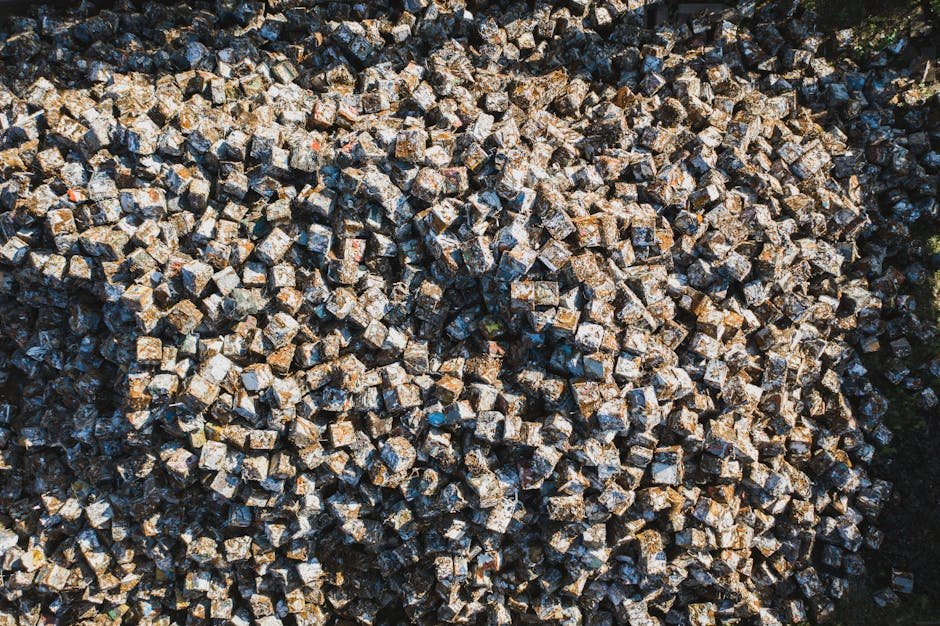

Understanding current carbide scrap prices is essential for industrial workshops, machine shops, and mining operations looking to maximize the return on their tungsten carbide tooling waste. Unlike common ferrous scrap, tungsten carbide is a high-value, critical material that requires specialized handling and accurate grading to ensure you receive the true market value per kg. As an industry leader in metal reclamation, we track Scrap Metal Prices daily to provide our clients with the most accurate data for their bottom line. Whether you are disposing of worn-out end mills, inserts, or drill bits, knowing the underlying factors that influence these rates is the difference between a standard payout and a premium return.
The Mechanics of Carbide Scrap Prices and Global Valuation
Tungsten carbide is not a commodity traded like gold or copper on a public exchange; rather, it is a specialized industrial material whose value is tied to the price of tungsten concentrate and cobalt. When evaluating carbide scrap prices, refiners look at the chemical composition of the material. Tungsten is the primary component, providing hardness, while cobalt acts as the binder. Because both metals are subject to global supply chain volatility, the price you receive is a reflection of the current spot market for these raw materials.
To stay informed on broader trends, many professionals reference Scrap Prices to understand how the wider industrial sector is performing. When mining output in China—the world’s largest producer of tungsten—decreases, global supply tightens, and the value of your scrap carbide increases significantly. Conversely, a slowdown in the automotive or aerospace manufacturing sectors can dampen demand for new tooling, which in turn cools the secondary market for recycled carbide. By monitoring Australian metal recycling markets, you can time your sales to coincide with peak demand periods.
Grading Your Carbide: Why Purity Matters
Not all carbide is created equal. The most critical factor in determining your payout is the grade of the material. Carbide is graded based on its tungsten-to-cobalt ratio and the presence of any contaminants. Clean, solid carbide inserts are the gold standard. If your scrap is mixed with steel shanks, braised components, or excessive oxidation, the value per kg will drop significantly because the refining process becomes more energy-intensive.
Refiners categorize scrap into three primary buckets: 100% tungsten carbide, mixed carbide (containing some steel or other alloys), and sludge or dust. Solid carbide tooling is the most valuable because it can be crushed and re-sintered with minimal chemical processing. If you are searching for Scrap Metal Prices Near Me, ensure you ask the buyer specifically how they grade for contaminants. A professional recycler will use X-ray fluorescence (XRF) testing to verify the material composition. You can learn more about these specific valuation nuances in our detailed Scrap Carbide Prices: A Comprehensive Guide to Market Value.
The Environmental and Economic Impact of Recycling
Recycling tungsten carbide is not just a financial decision; it is a vital environmental imperative. Tungsten mining is an energy-intensive and ecologically disruptive process. By recycling old tooling, we reduce the need for virgin mining and lower the carbon footprint of the entire manufacturing supply chain. When you choose to recycle rather than discard your carbide, you are participating in a circular economy that preserves finite natural resources.
Beyond the environmental benefits, the economic argument is clear: recycling carbide is significantly cheaper than producing new tungsten from ore. This makes recycled carbide a highly sought-after secondary raw material. Manufacturers who integrate recycled carbide into their production lines can often reduce their costs while maintaining the same performance standards as virgin material. This demand keeps the market for scrap carbide robust, ensuring that there is always a buyer for your material if it is processed correctly.
How the Recycling Process Works
The journey from a worn-out drill bit to a new cutting tool involves a sophisticated process known as the ‘Zinc Process’ or ‘Chemical Processing.’ First, the scrap is sorted and cleaned. Any steel attachments, such as shanks or screws, are removed mechanically. Once the carbide is isolated, it is often treated with molten zinc, which breaks the bond between the tungsten carbide particles and the cobalt binder. This results in a porous material that can be easily milled back into a fine powder.
This powder is then re-blended with the necessary additives to reach the desired grade specifications and re-sintered into new shapes. Because this process is so efficient, nearly 95% of the tungsten in a carbide tool can be recovered and reused. This high recovery rate is why carbide scrap prices remain consistently high compared to other industrial metals. For businesses, this means that your waste bin is essentially a store of value that should be managed with the same care as your inventory.
Strategic Tips for Maximizing Your Returns
To ensure you receive the best price per kg, you must treat your scrap as a valuable asset. First, keep your carbide separate from other scrap metals. If you mix your carbide with high-speed steel (HSS) or general steel, you will likely be paid the lower rate for the entire batch. Second, keep your material dry and free of oil or coolant residue. While some surface contamination is expected, excessive sludge or debris adds weight that the recycler will deduct from your total, and it complicates the sorting process.
Third, build a relationship with a reputable recycler. A dedicated scrap partner will provide you with clear, transparent pricing and, in many cases, will offer better rates for consistent, high-quality supply. They can also provide you with documentation that helps you meet your environmental, social, and governance (ESG) reporting requirements. Remember that the market rate changes daily; ask your buyer for a price lock-in if you have a significant volume to move during a period of market volatility.
The Intersection of Auto Parts and Carbide Recycling
The automotive industry is a massive consumer of tungsten carbide tools, and consequently, a major source of scrap. From engine block machining to precision transmission components, the sheer volume of carbide used in auto parts manufacturing is staggering. When vehicle recycling facilities and car wreckers process end-of-life vehicles, they often overlook the small, high-value carbide components hidden within the machinery and specialized tooling used in their own workshops.
By integrating a dedicated carbide collection program into your auto parts or wrecking business, you can create a new, consistent revenue stream. Many wreckers focus exclusively on the steel and aluminum body panels, but the real margin often lies in the specialized alloys and carbide tooling used for heavy-duty dismantling. If you are in the business of vehicle recycling, auditing your workshop for carbide waste could provide a surprising boost to your monthly revenue.
Future Trends in the Carbide Market
Looking ahead, the demand for tungsten carbide is expected to grow, driven by the expansion of the renewable energy sector and the continued electrification of transport. Wind turbines, electric vehicle motors, and high-precision electronics all rely on components manufactured with tungsten carbide tools. As global demand for these technologies increases, the pressure on raw material supplies will intensify, likely keeping carbide scrap prices in a long-term upward trend.
Furthermore, technological advancements in refining are making it easier to process lower-grade carbide scrap, which may eventually bring more material into the supply chain. However, for the foreseeable future, the premium will remain on clean, high-grade scrap. By staying educated on these market dynamics, you position yourself to benefit from the shifting landscape of industrial metal recycling. Always verify the current market rate before finalizing any large transaction to ensure your business is getting the fair market value it deserves.
Frequently Asked Questions
What is the primary factor affecting carbide scrap prices?
The primary factors are the global spot market prices for tungsten and cobalt, which are the main components of carbide. Supply chain stability in major producing nations like China also plays a significant role in price volatility.
Does the grade of carbide impact the price per kg?
Yes, significantly. Clean, solid tungsten carbide without steel attachments or contaminants commands the highest price, while mixed or contaminated scrap is valued lower due to the increased cost of refining.
How should I store my carbide scrap to get the best price?
Keep your carbide scrap separate from other metals like high-speed steel or iron to avoid contamination. Store it in dry containers to prevent oxidation and minimize oil or coolant buildup.
Why is it better to recycle carbide than to discard it?
Recycling is economically beneficial because it provides a cheaper alternative to virgin material and environmentally responsible because it reduces the need for energy-intensive mining, supporting a circular economy.