

Navigating the complex economics of copper pipe scrap value vs new copper tubes is essential for contractors, demolition experts, and tradespeople across Australia. Whether you are clearing out a renovation site or managing industrial waste, understanding the delta between the cost of virgin material and the recovery value of scrap is crucial for project profitability. As global demand for conductive metals surges, the secondary market for copper recycling provides a vital circular economy lifeline, turning redundant infrastructure into high-value raw material.
The Economics of Copper Pipe Scrap Value vs New Copper Tubes
When analyzing the copper pipe scrap value vs new copper tubes, it is important to distinguish between the commodity price of the raw element and the retail price of finished products. New copper tubes carry a significant premium due to manufacturing costs, quality control, logistics, and retail markups. Conversely, scrap copper is valued based on its purity, cleanliness, and the ease with which it can be smelted back into high-grade copper cathodes.
In the Australian market, the current copper scrap value fluctuates daily based on the London Metal Exchange (LME) and the strength of the Australian Dollar. While new tubes are priced per meter or length, scrap is almost exclusively traded by weight. If you are looking to liquidate assets, you should Sell Demolition Copper Scrap Building Wire Pipe through professional channels that offer transparent grading. Understanding the current scrap value of copper allows you to forecast your project budgets more accurately, often offsetting the cost of new materials by recycling the old.
Categorizing Copper Grades: From Bare Bright to Number 2
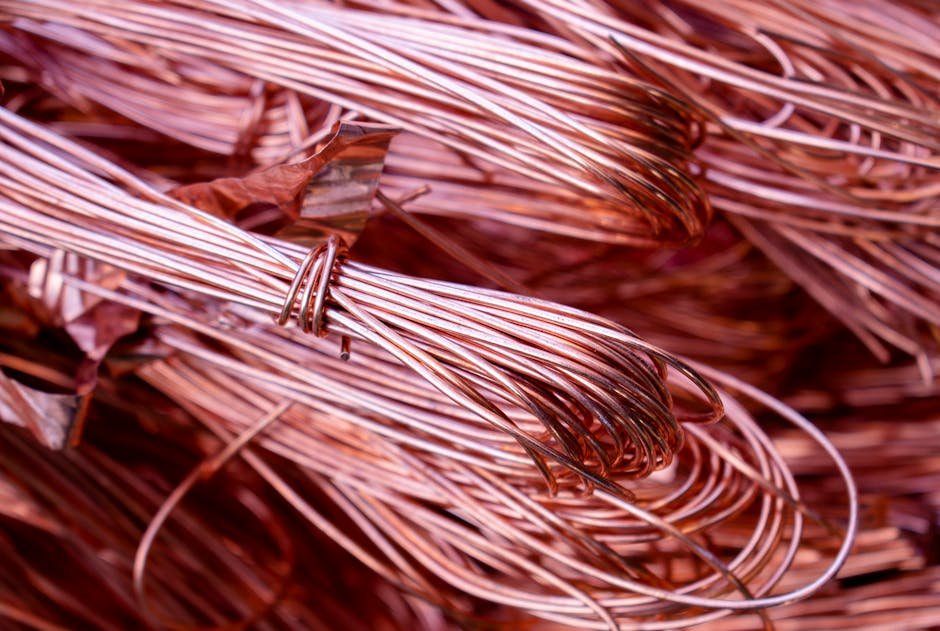
Not all copper is created equal. To maximize your returns, you must be able to identify the specific grade of your material. The most valuable form is ‘Bare Bright’ copper, which consists of clean, unalloyed, uncoated copper wire or tubing that is free of oxidation, insulation, or solder. This material requires minimal processing by the refinery, hence it commands the highest price.
Below Bare Bright, we find ‘Number 1’ copper, which may have minor oxidation but remains free of contaminants. ‘Number 2’ copper, meanwhile, includes copper that has been soldered, contains minor impurities, or has been exposed to the elements for extended periods. When you prepare to Sell Building Copper Scrap Wire Pipe Fittings In 2026, separating these grades is the single most effective way to increase your total payout. Mixed loads are often purchased at the lowest common denominator price, so segregation is a non-negotiable step for any professional recycler.
For those dealing with larger infrastructure, it is helpful to consult with Metal Pipe Scrap Buyers Copper Steel Stainless Pipe who can assist in sorting and grading bulk loads on-site. Remember that the presence of brass fittings, lead solder, or steel attachments can downgrade a load of high-quality copper pipe to a lower tier, significantly impacting your bottom line.
The Mechanics of Copper Recycling in Australia
Copper recycling is a sophisticated industrial process that preserves the physical properties of the metal indefinitely. Unlike plastics, which degrade over time, copper can be recycled repeatedly without losing its conductivity or durability. The process begins with collection and sorting, where magnets are used to remove ferrous contaminants, and optical sensors or manual labor are used to separate different grades of copper.
Once sorted, the copper is shredded or granulated to increase its surface area. This material is then melted in a furnace, where impurities are removed through a process of oxidation and reduction. The resulting molten copper is cast into ingots or cathodes, which serve as the raw material for new copper tubes, wiring, and electrical components. This closed-loop system is a cornerstone of the Australian scrap metal trading platform, ensuring that our natural resources are managed with maximum efficiency.
By choosing to recycle, you are not just liquidating assets; you are participating in a global supply chain that reduces the need for energy-intensive mining. For businesses looking for reliable partners, our Australian-based recycling network provides the infrastructure needed to handle large-scale recovery projects, ensuring that your scrap is processed according to strict environmental and safety standards.
Environmental Benefits and Circular Economy
The environmental case for recycling copper is overwhelming. Producing copper from recycled scrap requires up to 85% less energy than extracting it from virgin ore. Mining is a resource-heavy process that involves massive land disruption, water usage, and carbon emissions. By reclaiming existing copper from buildings, plumbing, and electrical grids, we significantly lower the carbon footprint of the construction industry.
Furthermore, copper is a critical material for the transition to renewable energy. As Australia shifts toward EVs, solar power, and wind energy, the demand for high-purity copper is skyrocketing. Every kilogram of copper that is recycled is a kilogram that doesn’t need to be mined. By understanding the copper pipe scrap value vs new copper tubes, you are incentivizing a system that prioritizes sustainability over waste. This is not just about profit; it is about responsible resource management that keeps the Australian economy resilient and green.
Practical Tips for Maximizing Scrap Returns
To get the best value for your scrap, preparation is everything. Here are several expert tips for those looking to maximize their scrap returns:
- Keep it Clean: Always remove non-copper attachments. Solder, plastic insulation, and steel flanges act as contaminants.
- Sort by Grade: Never mix your bare bright copper with number 2 copper. If you have a large pile, sort it into distinct bins before heading to the yard.
- Monitor Market Trends: The market is volatile. Stay updated on the current copper scrap value by checking industry reports regularly.
- Build Relationships: Working with a consistent buyer allows you to negotiate better rates and receive professional advice on how to prep your materials for the highest possible yield.
- Safety First: When stripping copper wire or handling old pipe, always use appropriate PPE. Old pipes may contain lead or other hazardous materials.
By following these simple steps, you can ensure that you are not leaving money on the table. Professional buyers look for clean, sorted loads because it saves them time and labor, and they are usually willing to pay a premium for a well-prepared delivery.
Future Outlook for the Copper Market
As we look toward 2026 and beyond, the demand for copper is expected to remain high due to the global electrification trend. This will likely keep the floor price for scrap elevated, as manufacturers look for secondary sources to meet their production quotas. For tradespeople and construction firms, this means that scrap management should be treated as a revenue stream rather than a waste management cost.
Investing in on-site sorting equipment and training your team to identify different grades of copper can lead to significant long-term gains. Whether you are dealing with demolition debris, off-cuts from new installations, or end-of-life plumbing systems, treating every piece of copper as a valuable commodity is the hallmark of a successful, environmentally conscious business. The infrastructure is in place, the demand is clear, and the environmental benefits are undeniable. By engaging with the professional recycling market, you are securing your place in a future that values circularity and efficiency.
Conclusion: Turning Waste into Wealth
In conclusion, the relationship between copper pipe scrap value vs new copper tubes is a reflection of a dynamic and essential industry. By understanding the grades, the recycling process, and the broader environmental context, you are better equipped to make informed decisions that benefit both your bottom line and the planet. Whether you are a small contractor or a large demolition firm, the ability to effectively manage and sell your scrap copper is a vital skill in today’s economy.
Always prioritize working with reputable buyers, maintain clear separation of grades, and keep an eye on market fluctuations. With the right approach, you can transform your scrap pile into a reliable source of income, supporting the sustainable growth of the Australian infrastructure sector. Remember, every kilogram of copper recycled is a step toward a more efficient, resource-conscious future.
Related: Sell Demolition Copper Scrap Building Wire Pipe
Related: Sell Building Copper Scrap Wire Pipe Fittings In 2026
Related: Metal Pipe Scrap Buyers Copper Steel Stainless Pipe
Related: current copper scrap value
Related: current scrap value of copper
Frequently Asked Questions
What is the most valuable grade of copper scrap?
The most valuable grade is ‘Bare Bright’ copper, which consists of clean, unalloyed, and uncoated copper wire or tubing. It must be free of any oxidation, solder, or insulation to command the highest price.
How does the copper pipe scrap value vs new copper tubes comparison work?
New copper tubes include manufacturing, distribution, and retail costs, making them significantly more expensive than scrap. Scrap value is based on the raw metal content and its purity, typically reflecting a percentage of the global LME spot price.
Why should I separate my copper scrap?
Separating your copper by grade prevents high-quality metal from being valued at the price of lower-grade scrap. This ensures you receive the maximum possible payment for your materials.
How often does the price of copper scrap change?
Copper scrap prices fluctuate daily in line with the London Metal Exchange (LME) and currency exchange rates. It is recommended to check current market values immediately before selling your scrap.