
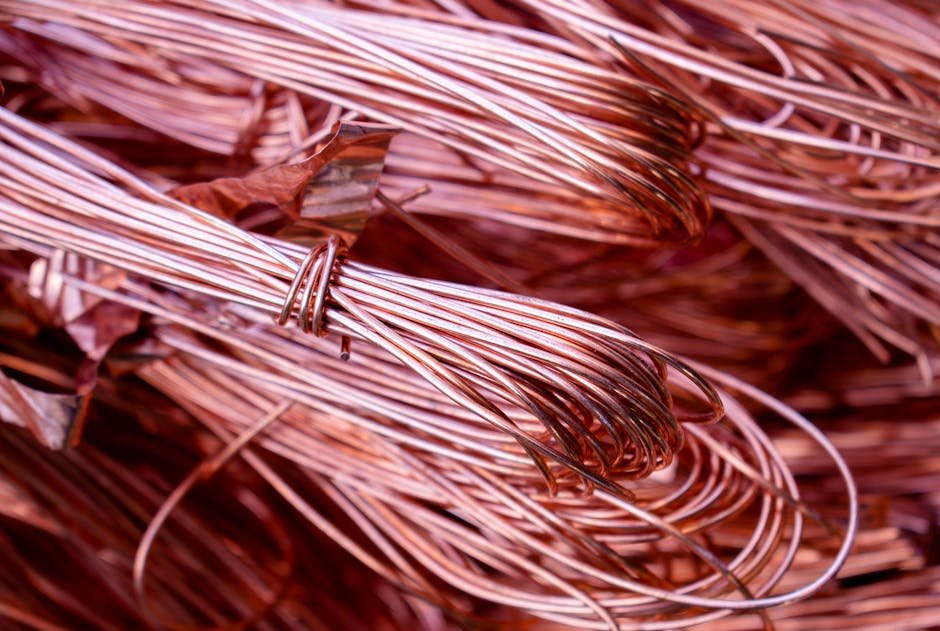

Understanding the copper rate in UAE today is essential for scrap metal traders, industrial recyclers, and global investors looking to capitalize on the volatile commodities market. As a major hub for metal trade in the Middle East, the UAE acts as a critical bridge between Asian supply chains and European demand. Because copper is a primary indicator of global industrial health, monitoring these rates provides a window into broader economic trends. Whether you are dealing with high-value bare bright copper or industrial-grade number 2 copper, knowing the local market dynamics is the difference between a profitable venture and a loss-making transaction. For those tracking international markets, comparing the UAE context with the Scrap Rate India helps in identifying regional arbitrage opportunities.
Global Factors Influencing Copper Prices
The price of copper is rarely static; it is influenced by a complex web of macroeconomic indicators. The most significant factor is the London Metal Exchange (LME) price, which sets the baseline for the global copper price per kg. In the UAE, local traders adjust these global benchmarks based on logistics, local processing capacity, and domestic demand. When global manufacturing activity in China or the US surges, demand for copper rises, pushing prices upward.
Furthermore, the strength of the US Dollar plays a pivotal role. Since copper is traded in USD, any fluctuation in the currency exchange rate directly impacts the purchasing power of local scrap dealers. Industrial sectors, particularly construction and renewable energy, are the primary consumers of copper. As the UAE continues to invest in massive infrastructure projects and sustainable energy initiatives, the demand for high-purity copper remains robust. Traders who join a Copper Scrap Group often gain access to real-time data that helps them navigate these shifts more effectively. For those interested in the Australian market, we provide detailed insights into the scrap price copper today to help you compare global valuations.
Classifying Copper for Maximum Value
To secure the best rates, one must understand how scrap is graded. Not all copper is created equal, and the value is determined by its purity, oxidation levels, and the presence of contaminants. The highest value is typically assigned to bare bright copper, which consists of clean, unalloyed, uncoated, and unalloyed copper wire or cable, free of insulation. This grade is highly sought after because it can be melted down with minimal processing.
Next in the hierarchy is number 2 copper, which may include copper that has been painted or has light oxidation. While it commands a lower price than bare bright, it remains a staple in the recycling industry. Copper wire that still contains insulation—often referred to as ‘insulated wire’—requires mechanical stripping to reach its true value. If you are looking for specific regional data, you might want to review our guide on Bare Bright Copper Prices Today In Australia to see how these grades are priced in a different economic climate. Proper sorting is the most effective way to improve your profit margins, as recyclers will always pay a premium for pre-sorted, clean loads that require less labor to process.
The Importance of Copper Recycling
Copper recycling is not just a profitable business; it is a vital component of the circular economy. Copper is one of the few materials that can be recycled infinitely without losing its chemical or physical properties. By recycling copper pipe and wiring, we significantly reduce the energy required for mining and refining raw ore. In the UAE, the push toward greener industrial practices has made scrap metal recovery a priority for government and private sectors alike.
When you participate in the recycling trade, you are contributing to a reduction in carbon emissions. The energy required to recycle copper is roughly 85% less than the energy required to produce it from virgin ore. For traders and businesses, understanding the nuances of the copper scrap rate is key to maintaining a sustainable business model. We provide a deep dive into this topic in our resource on copper scrap rate, which covers the fundamentals of market valuation. Whether you are a small-scale collector or a large industrial firm, our platform, Scrap Trade, offers the tools and information necessary to optimize your recycling operations. For those operating in the Oceania region, our specialized portal Scrap Trade Australia provides localized insights into the metal trading landscape.
Navigating the UAE Scrap Market
The UAE market is unique due to its high concentration of transit trade. Many traders purchase scrap from neighboring regions, process it, and re-export it to major manufacturing hubs. This logistical advantage means that the copper rate in UAE today is highly competitive. To succeed here, you must build relationships with reliable local yards and understand the local regulatory environment regarding hazardous waste and metal export permits.
One of the biggest challenges in the UAE is the variability of scrap quality. Industrial sites often produce large volumes of mixed metals. Successful traders invest in portable X-ray fluorescence (XRF) analyzers to determine the exact composition of their scrap on-site. This technology allows for precise grading, ensuring that you are not underpaid for high-quality materials. Furthermore, keeping an eye on the copper price per kg across different Emirates can reveal small but significant price discrepancies that can be exploited for profit.
Best Practices for Scrap Metal Traders
To maximize your returns, consider the following strategies:
- Consistent Sorting: Never mix grades. Keeping your bare bright separate from your number 2 copper ensures you receive the highest possible payout for each category.
- Cleanliness Matters: Remove as much plastic, rubber, and dirt as possible from your copper wire and pipes. The cleaner the material, the higher the price per kilogram.
- Market Timing: Don’t sell in a panic during a temporary price dip. If you have the storage capacity, hold your inventory until the market trends upward.
- Build Relationships: Work with reputable buyers who provide transparent pricing and timely payments.
- Stay Informed: Use global market trackers to anticipate price movements before they hit the local UAE market.
By treating your scrap metal business with the same level of professionalism as any other commodity trade, you can significantly increase your long-term earnings. The key is data-driven decision-making, which is why we emphasize the importance of tracking both local and international indices.
Future Trends in Copper Demand
The future of the copper market is inextricably linked to the global transition toward electrification. As the world moves away from fossil fuels, the demand for copper in electric vehicles (EVs), solar panels, and wind turbines is expected to skyrocket. The UAE, with its ambitious renewable energy goals, is positioning itself to be a significant consumer and processor of these materials.
This ‘green’ demand is expected to create a long-term floor for copper prices. Unlike previous cycles driven primarily by construction, the next decade will be defined by the ‘electrification of everything.’ For those involved in copper recycling, this represents a massive opportunity. The scrap you collect today will be the raw material for the green technology of tomorrow. Staying ahead of these trends will ensure that your business remains profitable in a rapidly changing world.
Conclusion
The copper rate in UAE today is a reflection of the intricate balance between global supply, local industrial demand, and the ongoing shift toward a sustainable, circular economy. By mastering the art of grading, understanding the factors that influence market volatility, and staying connected to global trading networks, you can navigate the scrap metal industry with confidence. Whether you are dealing with large quantities of industrial copper pipe or small batches of copper wire, the principles of quality, timing, and market awareness remain the same. We encourage you to use the resources provided on our platform to stay ahead of the curve and make informed decisions that drive your business forward. Remember, the scrap metal market rewards those who are diligent, educated, and ready to act when the price is right.
Frequently Asked Questions
What is the primary factor affecting the copper rate in UAE today?
The primary factor is the global London Metal Exchange (LME) spot price, which is then adjusted based on local currency exchange rates, logistics, and regional demand for scrap metal.
How can I get the best price for my copper scrap?
You can maximize your returns by meticulously sorting your scrap into categories like bare bright and number 2 copper, and by ensuring the material is free of contaminants like insulation or oxidation.
Is recycling copper environmentally beneficial?
Yes, recycling copper is highly sustainable because it uses approximately 85% less energy than mining and refining virgin copper ore, and it can be recycled infinitely without losing quality.
Where can I track the latest copper scrap prices?
You can track market trends and price updates through specialized platforms like Scrap Trade, which provides comprehensive market guides and industry insights for global and local scrap metal traders.