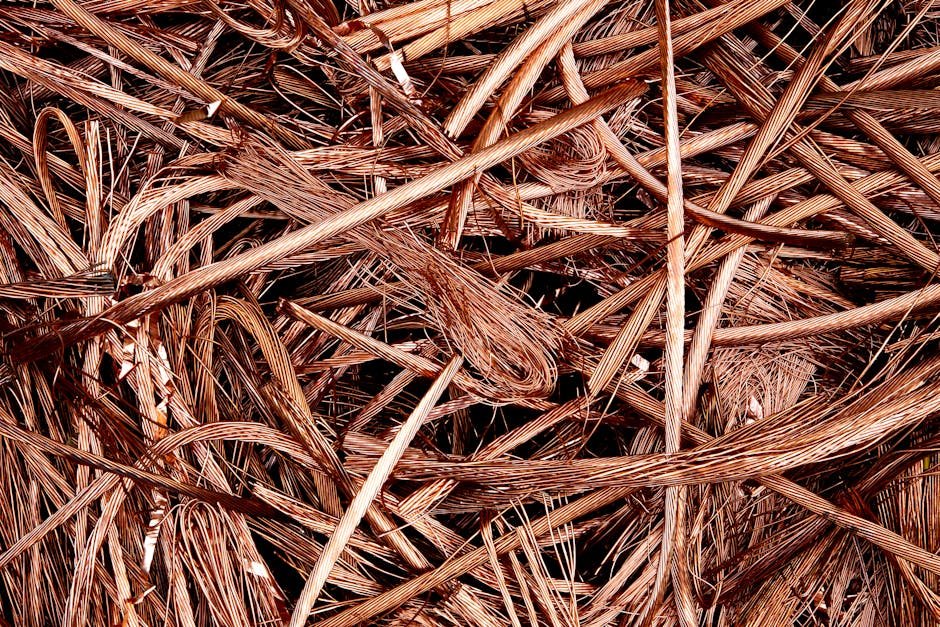

Understanding copper scrap metal prices is essential for anyone involved in the trade, from professional demolition contractors to DIY renovators looking to maximize their returns. As one of the most traded and recycled commodities globally, copper occupies a unique position in the Australian industrial landscape. Because the market is highly volatile, staying informed about current trends is the difference between a modest payout and a significant profit. Whether you are stripping old copper wire from a renovation project or collecting copper pipe from a plumbing site, knowing the precise grade of your material is the first step toward achieving the best scrap metal prices in the industry.
The Dynamics of Copper Scrap Metal Prices
To understand why copper scrap metal prices shift, one must look at the global economic indicators that govern the commodity market. Copper is widely referred to as ‘Dr. Copper’ by economists because its price is often seen as a barometer for global health. When the economy is booming, infrastructure projects and manufacturing demand surge, driving prices upward. Conversely, during economic downturns, demand softens, leading to lower valuations.
In Australia, the price you receive at the yard is not just a reflection of global supply and demand; it is also heavily influenced by the Australian Dollar (AUD) to US Dollar (USD) exchange rate. Since copper is traded globally in USD, a weaker Australian dollar can sometimes buffer against falling international prices, while a strong dollar might suppress local payouts. When you check Scrap Metal Prices, you are seeing a snapshot of these complex forces at play.
Furthermore, local logistics play a massive role. Transport costs, processing capacity at the recycling facility, and regional demand all contribute to the final price per kilogram. This is why it is highly recommended to search for Scrap Copper Prices Near Me to get the most accurate, localized data. If you are looking for a reliable partner, the Australian scrap metal trading platform provides the infrastructure necessary to connect sellers with competitive buyers.
Understanding Copper Grades: From Bare Bright to Number 2
Not all copper is created equal. The grading system is the most significant factor in determining the payout you receive. If you want to maximize your returns, you must learn to sort your materials correctly.
- Bare Bright Copper: This is the gold standard. It consists of clean, unalloyed, uncoated, and uninsulated copper wire, typically 16 gauge or thicker. It must be free of any paint, varnish, or oxidation. Because it requires minimal processing, it commands the highest price.
- Number 1 Copper: This grade includes clean copper pipe or busbars that are free of solder, paint, or other contaminants. It is slightly less valuable than bare bright but still highly sought after.
- Number 2 Copper: This grade allows for some impurities. It may contain solder, light oxidation, or minor paint. It is common in plumbing fixtures and older wiring. Because it requires more labor to refine, the price per kilogram is lower.
- Insulated Copper Wire: This is graded based on the ‘recovery rate’ of the copper inside the plastic or rubber casing. High-grade data cables or heavy-duty power cables will have a higher copper content and thus a better price than thin, low-yield wiring.
By separating your scrap into these specific grades, you ensure that you are not being paid the ‘Number 2’ price for your ‘Bare Bright’ material. Always verify the current scrap copper prices before heading to the yard to ensure you are being offered a fair market rate.
How Copper Recycling Works
The journey from a pile of scrap to a refined metal product is a fascinating industrial process. Once you drop off your metal, the facility performs a rigorous quality control check. The scrap is weighed on certified scales, and the grade is verified. From there, the material enters the recycling stream.
For insulated wires, specialized machines use granulation technology to strip the plastic insulation from the metal. The resulting copper granules are then sorted by density and size. For solid copper, the metal is often shredded, cleaned of contaminants, and then melted in massive furnaces. The molten copper is then cast into ingots or billets, which are sold back to manufacturers to be turned into new pipes, wires, or electronic components.
This circular economy is vital for the environment. Recycling copper uses up to 85% less energy than mining and refining virgin ore. By participating in this process, you are not just making money; you are actively reducing the demand for destructive mining practices and lowering carbon emissions associated with metal production.
Factors Influencing Metal Prices Today
When you look up Scrap Metal Prices Near Me, you might notice that prices change frequently. Several factors dictate these daily shifts:
- LME Trends: The London Metal Exchange sets the benchmark for global copper prices. Any major event in the mining sector, such as a strike in a major copper-producing country like Chile, can cause immediate price spikes.
- Inventory Levels: If global stockpiles are low, the price of scrap rises as smelters compete to secure supply.
- Manufacturing Demand: The automotive and construction industries are the largest consumers of copper. A surge in electric vehicle (EV) production, which uses significantly more copper than internal combustion engine vehicles, is a massive driver of long-term price trends.
- Currency Fluctuations: As mentioned, the AUD/USD relationship is critical. When the AUD is weak, imported goods become more expensive, but local exporters of scrap can sometimes see improved margins.
Environmental Benefits of Copper Recycling
Copper is one of the few materials that can be recycled infinitely without losing its chemical or physical properties. This makes it an incredibly sustainable resource. When we recycle copper, we preserve natural landscapes that would otherwise be cleared for open-pit mining. Furthermore, the water usage required to process recycled copper is a fraction of what is needed to process raw ore.
In the Australian context, where sustainability is becoming a core focus for construction and demolition firms, recycling copper is a key component of ‘Green Building’ certifications. By diverting copper from landfills, businesses can lower their waste management costs while contributing to a circular economy. Visit our scrap metal trading hub to learn more about how you can integrate sustainable recycling practices into your business operations.
Practical Tips for Sellers
To ensure you get the best deal, follow these professional tips:
- Keep it Clean: Contamination is the enemy of profit. Remove solder, plastic, and steel attachments from your copper pipe. A clean load is always worth more.
- Sort at the Source: Don’t mix your grades. If you mix high-grade wire with low-grade piping, the buyer will often pay you the price of the lowest-grade item in the pile.
- Build Relationships: If you are a regular supplier, talk to the yard manager. High-volume, consistent suppliers often have access to better pricing tiers.
- Monitor the Market: Don’t rely on a price quote from three months ago. Check the copper price per kg regularly to time your sales during market peaks.
- Safety First: Copper scrap can be sharp. Always wear gloves and protective gear when handling and transporting your metals.
The Future of Copper and the Circular Economy
The global transition toward renewable energy is set to redefine the copper market for decades to come. Solar panels, wind turbines, and high-voltage transmission lines are all heavily reliant on copper. As the world moves away from fossil fuels, the demand for copper is projected to increase, potentially leading to a long-term upward trend in copper scrap metal prices.
For the individual recycler or the small business owner, this means that your scrap is becoming increasingly valuable. The ‘urban mine’—the collection of metals currently in circulation in our buildings and infrastructure—is becoming a vital source of raw materials for the green transition. By understanding the market, grading your materials, and choosing the right recycling partners, you are positioning yourself at the heart of this industrial evolution.
Conclusion: Maximizing Your Returns
Navigating the world of scrap metal doesn’t have to be complicated. By staying informed about copper scrap metal prices, understanding the nuances of material grading, and utilizing reputable trading platforms, you can ensure that you are getting the best possible value for your efforts. Remember that the market is dynamic, and your success depends on your ability to adapt to these changes. Keep your scrap clean, keep your grades separated, and stay connected with the latest market updates to ensure your recycling efforts are as profitable as they are environmentally responsible.
Frequently Asked Questions
What is the best way to determine the current copper price per kg?
The best way is to check live market data from the London Metal Exchange (LME) and consult local scrap yard price lists. Keep in mind that local yards often provide a price slightly below the LME to account for processing and transportation costs.
Does the insulation on copper wire lower its value?
Yes, insulation adds weight and requires specialized machinery to remove. You will generally receive a higher price per kilogram for bare bright copper than for insulated wire, though high-yield insulated cables can still be quite valuable.
Why is bare bright copper worth more than other grades?
Bare bright copper is the purest form of scrap, requiring no cleaning, stripping, or refining before it can be melted down. Its high purity and lack of contaminants make it the most efficient material for manufacturers to process.
How often do scrap metal prices change?
Scrap metal prices can change daily based on global commodity market fluctuations and currency exchange rates. It is advisable to check prices on the day you intend to sell your scrap.