
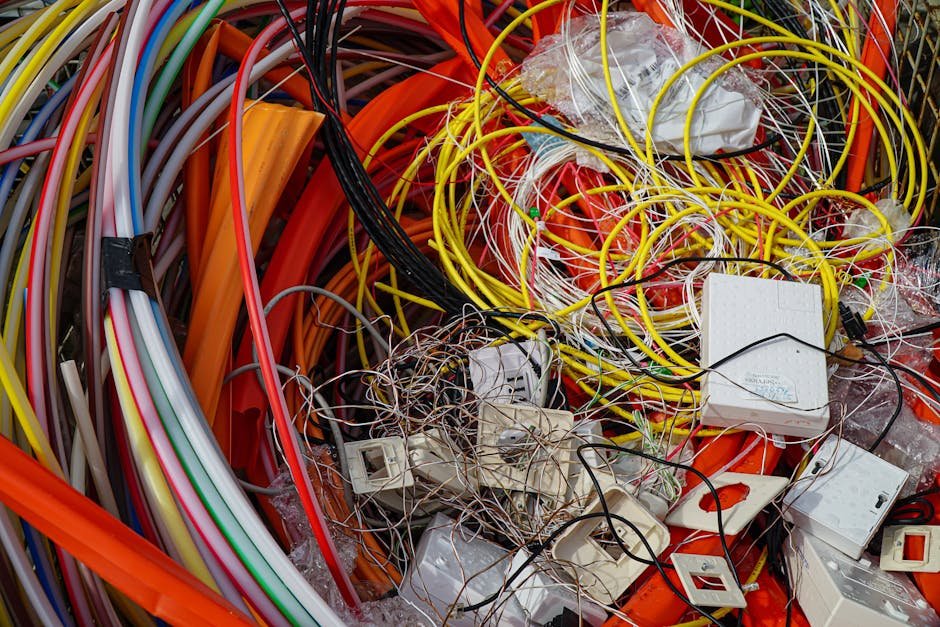

Finding E-waste recycling near me is more than just a convenient way to clear out your garage; it is a critical environmental responsibility. As Australia grapples with a growing volume of technological waste, the need for efficient ewaste recycling has never been higher. When you search for E-waste recycling near me, you are initiating a supply chain process that diverts toxic heavy metals from landfills and recovers high-value commodities that power our modern economy. Whether you have a pile of old computer scrap, obsolete circuit boards, or outdated hard drives, understanding the lifecycle of these materials is essential for every Australian household and business.
The Environmental and Economic Impact of E-Waste
Electronic waste is the fastest-growing waste stream globally. In Australia, the sheer volume of discarded smartphones, laptops, and appliances presents both a hazard and an opportunity. When electronics are tossed into general waste, lead, mercury, and cadmium leach into our soil and water tables. Conversely, professional recycling extracts these materials for reuse. By engaging with a local scrap yard, you contribute to a circular economy. Many users often start their journey by searching for Metal Recycling Near Me to understand how different metals are processed. The recovery of precious metals—such as gold, silver, and palladium found in circuit boards—is a highly specialized field. When you utilize a nearby recycler, you ensure these materials are handled by professionals who understand the complexities of hazardous waste management. Furthermore, for those looking to turn their clutter into profit, researching recycling for cash near me can provide financial incentives for responsible disposal. The Scrap Trade Australia portal provides the most comprehensive database for these services across the country, ensuring you connect with verified operators.
Identifying What Counts as Electronic Waste
Not everything with a plug qualifies as e-waste, but the definition is broader than most realize. It encompasses anything with a circuit board, battery, or power cord. Computer scrap is perhaps the most common category, including desktops, laptops, and server racks. These items are goldmines for recyclers because they contain significant amounts of copper wiring and high-grade circuit boards. Hard drives, on the other hand, require specific data destruction protocols. Before you drop off your hardware at a nearby recycler, ensure your sensitive data is wiped. If you are part of a larger organization, you might want to join an E Waste Group to coordinate bulk collections. This not only streamlines the logistics but also ensures compliance with Australian data protection standards. When you search for E-waste recycling near me, look for facilities that hold ISO certifications for environmental management. These facilities are equipped to handle the hazardous components, such as lithium-ion batteries, which can be fire hazards if disposed of incorrectly.
How to Prepare Your E-Waste for Recycling
Preparation is the key to maximizing the value of your scrap and ensuring safety. Start by segregating your items. Keep cables and wires separate from circuit boards, as they are processed differently. If you have multiple units of computer scrap, group them by type. This makes the intake process at a local scrap yard much faster. For those who are new to this, the Recycling Community is an excellent resource for tips on how to strip components efficiently without damaging the valuable parts. Remember that batteries should always be removed if possible, as they are a significant safety risk during the shredding process. If you are unsure where to take your items, our guide on recycling metal near me provides a deeper look into the broader scrap metal ecosystem in Australia. By taking the time to sort and clean your materials, you increase the likelihood of the recycler being able to recover 100% of the base metals, which is the ultimate goal of sustainable waste management.
The Role of Local Scrap Yards in the Circular Economy
Local scrap yards are the backbone of the recycling industry. Unlike general waste collection services, a local scrap yard is a specialized facility that acts as a refinery. They take raw, mixed waste and use mechanical and chemical processes to separate the metals from the plastics and glass. This is where the magic happens. When you bring your computer scrap to them, they shred the housing, use magnetic separators for steel, and eddy current separators for non-ferrous metals like aluminum and copper. The circuit boards are often sent to specialized smelters that can extract trace amounts of gold and platinum. This process is far more energy-efficient than mining raw ore. By choosing a nearby recycler, you are reducing the carbon footprint associated with transporting waste across the country. It is a local solution to a global problem. Furthermore, these yards are often the primary hubs for the Recycling Community, providing jobs and supporting local infrastructure while keeping our environment clean.
Data Security: Protecting Your Information
One of the biggest hesitations people have when recycling hard drives is the fear of data theft. It is a valid concern. Simply deleting files is not enough; professional data destruction is required. When you search for E-waste recycling near me, verify that the facility offers data destruction services. This can involve physical shredding of the drive or degaussing. Many professional recyclers will provide a certificate of destruction, which is essential for businesses that need to maintain compliance with the Privacy Act. Do not just leave your old laptops on the curb. Take them to a professional who will treat your data with the same level of care as they treat the hardware. This level of diligence is what separates amateur waste disposal from professional recycling.
Future Trends in Australian E-Waste Management
Australia is currently undergoing a shift in how we view waste. Government legislation is increasingly targeting manufacturers to take responsibility for the end-of-life of their products, a concept known as Extended Producer Responsibility (EPR). As this trend continues, we expect to see more drop-off points integrated into retail environments. However, the role of the local scrap yard will remain pivotal. As technology becomes more complex, the metals required to build them become rarer. The focus is shifting from simple recycling to “urban mining.” This means treating our cities as mines for valuable materials. By actively participating in ewaste recycling, you are helping to secure a sustainable future where we rely less on destructive mining practices and more on the materials we have already extracted and processed.
Practical Tips for Businesses and Households
For households, the best approach is to keep a dedicated bin for small electronic waste and cables. Once it is full, make a trip to your nearby recycler. For businesses, the approach should be more systematic. Establish a relationship with a certified e-waste processor. If you have large quantities of computer scrap, many recyclers will offer collection services. Always keep an inventory of what you are disposing of, especially if it includes sensitive hardware. Remember that the goal is to keep these items out of the landfill at all costs. Every piece of plastic or metal recovered is a win for the environment. If you are struggling to find a facility, consult the recycling metal near me guide to see if your local metal recycler also accepts electronic components, as many do. Being proactive is the most effective way to ensure your waste is handled ethically.
Conclusion: Taking Action Today
The search for E-waste recycling near me is the first step toward a more sustainable lifestyle. By taking responsibility for our electronic waste, we protect our natural landscapes and contribute to a robust economy that values material recovery. Whether you are recycling a single hard drive or a warehouse full of computer scrap, your actions matter. Use the resources available, connect with your Recycling Community, and ensure that your next clear-out is an environmentally conscious one. Let’s work together to make Australia a leader in the circular economy, one circuit board at a time. For further assistance and to find the most up-to-date facilities in your area, always check the Scrap Trade Australia portal to ensure you are dealing with reputable, authorized recyclers who prioritize both environmental safety and material recovery.
Frequently Asked Questions
Why can’t I just throw my old electronics in the bin?
Electronics contain toxic substances like lead, mercury, and cadmium that can leak into the environment when sent to landfills. Additionally, they contain valuable metals that are lost forever if not properly recycled.
Is my data safe when I recycle hard drives?
Yes, provided you choose a certified recycler that offers data destruction services. Professional facilities use physical shredding or degaussing to ensure your data is permanently unrecoverable before the materials are processed.
What happens to the circuit boards I recycle?
Circuit boards are processed to extract precious metals like gold, silver, copper, and palladium. Specialized smelters use high-heat recovery processes to isolate these valuable materials for reuse in new manufacturing.
Are there costs associated with e-waste recycling?
Some items are free to recycle through government-supported programs, while others may incur a small fee to cover the cost of hazardous waste handling and data destruction. Always check with your local recycler beforehand.