
Managing electrical wire off cut scrap effectively is a cornerstone of the Australian recycling industry. Whether you are an electrical contractor, a demolition expert, or a scrap metal trader, understanding the nuances of cable processing is essential for maximizing your returns. In the world of scrap metal, high-quality off-cuts represent a clean, manageable stream of material that requires less processing than mixed demolition waste, making them highly sought after by refineries and smelters alike.
When dealing with electrical wire scrap, the primary value lies in the purity of the metal conductor—usually copper or aluminum—and the ease with which the insulation can be stripped. As global demand for base metals continues to surge, the circular economy relies heavily on the recovery of these materials. By diverting these off-cuts from landfills, businesses not only contribute to a more sustainable future but also unlock significant financial value that would otherwise be lost.
Understanding Grades of Electrical Wire and Cable
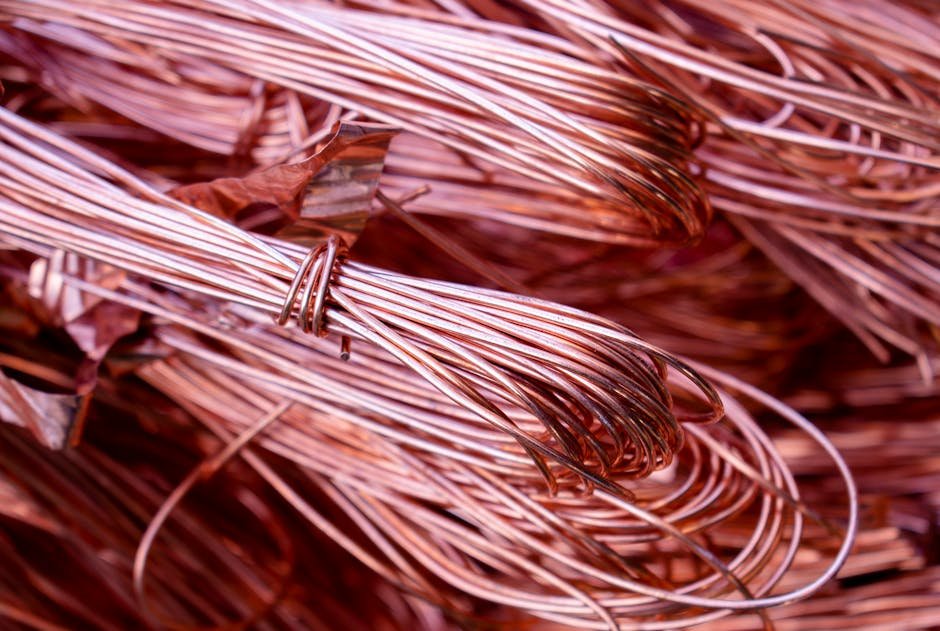
In the Australian market, grading is the language of the trade. To ensure you receive the best price, you must categorize your material accurately. Copper wire is generally graded based on the thickness of the conductor and the presence of insulation. The most valuable grade is ‘Bright and Shiny’ copper, which refers to bare, clean, uncoated wire. However, most electrical wire off cut scrap comes with PVC or XLPE insulation, which must be accounted for in the pricing.
Common grades include:
- #1 Copper Wire: Uncoated, unalloyed copper wire, free of brittle burnt wire and insulation.
- #2 Copper Wire: Copper wire containing some impurities or light oxidation, often including thin gauge wires.
- #3 Copper Wire: Often referred to as ‘light’ copper, this includes wire that has been burnt or contains significant plastic coating.
- Insulated Copper Wire: This is graded by the percentage of copper recovery. High-recovery cables have thick conductors, while low-recovery cables have thin strands and heavy insulation.
For those handling heavier infrastructure materials, it is important to know how to Buy Aluminum Cable Scrap Electrical Wire Conductor, as aluminum is increasingly used in high-voltage transmission lines. Understanding the difference between copper and aluminum is vital, as mixing these metals can severely devalue your entire load. If you are managing large-scale site clearances, you may also need to Sell Electrical Panel Scrap Building Switchboards, which often contain complex wiring harnesses that require specialized handling.
The Mechanics of Cable Recycling
The process of transforming raw electrical wire off cut scrap into high-purity metal is a sophisticated industrial operation. It begins with collection and sorting. Facilities use advanced optical sorters and manual inspection to ensure that materials are categorized by metal type and thickness. Once sorted, the cables undergo mechanical stripping or granulation.
Granulation is the most common method for processing insulated wire. The cables are fed into a shredder that chops them into small, uniform pieces. This mixture of metal and plastic ‘choppings’ is then passed through a density separator, often using air or water tables, to separate the heavy metal particles from the lighter plastic insulation. The result is clean copper or aluminum granules, which are then sold directly to refineries to be melted down into new wire rod or ingots. This process is highly efficient and allows for the recovery of up to 99% of the metal content.
If you are looking for professional guidance on how to optimize your inventory, visit Scrap.Trade to connect with a network of industry professionals. For those specifically operating within the Australian territory, Scrap Trade Australia provides localized insights into current market trends and regional compliance requirements for scrap metal recycling.
Environmental Benefits of Metal Recovery
Recycling electrical cable is a critical environmental imperative. Mining for virgin copper and aluminum is an energy-intensive process that involves massive earth displacement, chemical leaching, and high carbon emissions. By utilizing recycled copper, we can reduce energy consumption by up to 85% compared to primary production from ore.
Furthermore, the plastic insulation—typically PVC—is a significant pollutant if sent to landfills. Modern recycling plants are now finding ways to pelletize this recovered plastic for use in secondary manufacturing, such as traffic cones, flooring, or new cable sheathing. This creates a closed-loop system where the raw materials of our electrical grid are continuously reused, reducing the need for new extraction and minimizing the ecological footprint of the construction and telecommunications sectors.
Best Practices for Managing Scrap Inventory
Professional management of your scrap inventory is the difference between a break-even operation and a highly profitable one. The first rule is segregation. Never mix your electric wire scrap with other metals like steel or brass. Contamination is the primary reason for price downgrades at the weighbridge. If you have a large volume of surplus material, it is worth learning How To Sell Surplus Copper Wire Scrap Online to reach a broader market and secure competitive pricing.
Practical tips for site managers:
- Cleanliness: Keep your scrap area dry and covered. Moisture and dirt can add weight to your load, but buyers will often deduct for this, or worse, reject the load if it is too contaminated.
- Stripping: While manual stripping can be time-consuming, investing in a small cable-stripping machine can significantly increase the value of your off-cuts.
- Documentation: Keep accurate records of your scrap sales, including weights and grades. This helps in tracking your business performance and ensuring compliance with local environmental regulations.
- Safety: Always wear appropriate PPE when handling wire, as off-cuts can have sharp edges and may contain hazardous materials if they are from older, legacy equipment.
The Future of the Scrap Metal Market
As the world transitions toward renewable energy, the demand for high-quality copper is set to skyrocket. Electric vehicles (EVs), wind turbines, and solar arrays all require significantly more copper than traditional combustion-engine vehicles or coal-fired power plants. This creates a long-term bull market for those who can reliably supply high-grade copper scrap.
Technological advancements in ‘smart’ sorting, such as X-ray fluorescence (XRF) and hyperspectral imaging, are making it easier for scrap yards to identify metal alloys accurately. This means that in the future, we will see even higher purity levels in recycled metal, further reducing the reliance on virgin mining. For Australian businesses, staying ahead of these trends means investing in better sorting infrastructure today to capitalize on the high-value materials of tomorrow.
Compliance and Safety in Australia
In Australia, the scrap metal industry is subject to strict environmental and safety regulations. Operators must ensure that they are not dealing in stolen property, which is why reputable platforms require proper identification and documentation for all transactions. Furthermore, handling hazardous waste—such as cables with lead-based insulation or older wiring containing PCBs—requires specialized disposal methods.
Always verify that your scrap partner is licensed and adheres to the Australian Standard for environmental management. Responsible recycling is not just about the profit; it is about maintaining the social license to operate in an industry that is under increasing scrutiny. By adhering to these standards, you protect your business from legal risks and contribute to the professionalization of the entire scrap metal sector.
Maximizing Returns on Your Scrap
To maximize your returns, timing is everything. Just like the stock market, metal prices fluctuate daily based on the London Metal Exchange (LME). Keeping an eye on these trends will help you decide when to sell your stockpiled scrap. If you have a consistent supply of off-cuts, consider building a long-term relationship with a local yard. Consistent suppliers often get preferential pricing and better service, which can add up to significant savings over the course of a year.
Remember that the quality of your preparation is the biggest factor in your final payout. If you present your scrap in a clean, sorted, and easy-to-weigh format, you are signaling to the buyer that you are a professional. This builds trust and encourages the buyer to offer you their best possible rates. Never be afraid to ask for a breakdown of the grading—a transparent buyer is a good partner.
As we look forward, the integration of digital marketplaces into the scrap industry will only increase. By leveraging online tools to monitor prices, find buyers, and manage logistics, you are positioning your business at the forefront of the modern recycling economy. The era of the ‘back-alley’ scrap dealer is ending, replaced by a sophisticated, data-driven industry that rewards efficiency, environmental stewardship, and professional conduct.
In conclusion, the recovery of electrical wire is more than just a way to clear out a job site; it is a vital link in the global supply chain. Whether you are dealing with small quantities of domestic wiring or massive industrial cable drums, the principles remain the same: sort, clean, and sell to reputable buyers. By following the guidelines outlined in this comprehensive guide, you can ensure that your scrap metal operations are as profitable and sustainable as possible.
Frequently Asked Questions
How do I determine the grade of my electrical wire scrap?
The grade is primarily determined by the thickness of the copper or aluminum conductor and the amount of insulation present. Generally, the less insulation and the cleaner the metal, the higher the grade and the better the price.
Is it worth stripping the insulation off my wire before selling?
It depends on the volume and the type of wire. If you have a high-volume, thick-gauge cable, a mechanical stripper can significantly increase your profit margins, but for thin, complex wiring, the labor cost may outweigh the price increase.
Why is copper wire recycling so important for the environment?
Recycling copper requires significantly less energy than mining and refining virgin ore, which reduces carbon emissions and prevents the habitat destruction associated with large-scale mining operations.
What should I do if I have mixed metal scrap?
Always aim to segregate your scrap at the source. Mixed metals are difficult to process and are often purchased at a lower ‘mixed’ rate, so separating your copper, aluminum, and steel will always yield a higher total return.