
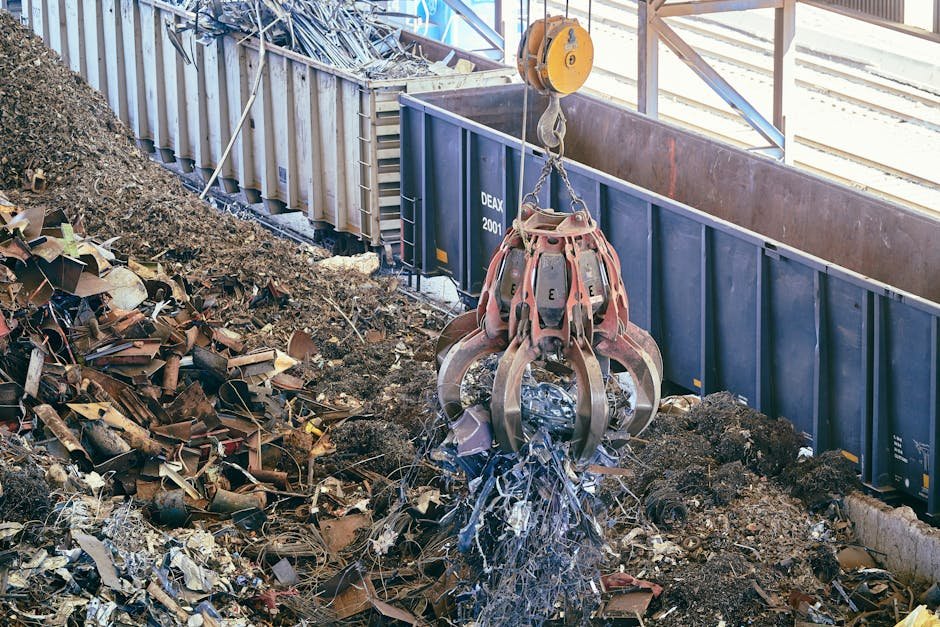

When searching for scrap iron buyers near me, you are essentially tapping into a multi-billion dollar circular economy that powers Australian infrastructure. As a supplier, whether you are a demolition contractor, a farm manager, or a household renovator, understanding the nuances of ferrous scrap is the difference between a nominal payout and a significant revenue stream. Ferrous scrap, which includes iron and steel, constitutes the largest volume of recycled metal globally. Because iron is infinitely recyclable without losing its structural properties, the demand remains consistently high among domestic foundries and international exporters. To navigate this market successfully, you must first distinguish between the types of material you possess, as a scrap buyer will grade your load based on purity, preparation, and contamination levels. Before heading to your local scrap yard, it is essential to understand that iron prices fluctuate daily, influenced by global industrial demand and shipping costs.
Understanding Ferrous Grades and Market Value
The pricing structure for iron is dictated by its grade. Not all iron is created equal, and a professional metal buyer will scrutinize your load for contaminants like rubber, plastic, wood, or non-ferrous attachments. The most common category is ‘Heavy Melting Steel’ (HMS), which refers to structural steel, plates, and beams. Then there is ‘Cast Iron,’ which is brittle and contains a higher carbon content, often found in engine blocks, old pipes, or machinery bases. Light iron, or ‘sheet iron,’ includes thinner materials like washing machine casings or roofing iron, which typically commands a lower price per kg due to its lower density and higher processing costs.
When you visit a nearby recycler, you will notice that clean, prepared, and sorted loads fetch a premium. If you are dealing with large volumes, you might consider reaching out to the Iron Scrap Group to understand how bulk logistics can improve your margins. The process involves weighing your vehicle on a certified weighbridge, offloading, and then re-weighing to determine the net weight of the scrap. Transparency is key; a trusted dealer will always provide a printed weighbridge ticket detailing the gross, tare, and net weight of your load. If you are looking for more comprehensive insights into the industry, check out the Iron Scrap Buyers: Trusted Dealers, Prices & Process Guide for a deep dive into current market standards.
The Logistics of Selling: From Local to Global
While local scrap yards are the primary point of contact for most, scaling your operations often requires looking beyond the immediate neighborhood. Many Australian recyclers act as aggregators for international markets. If you have significant quantities of ferrous material, you should investigate How To Find Overseas Scrap Buyers to understand the export supply chain. This is particularly relevant if you are dealing with specialized grades of iron that might be in higher demand in Asian or European markets.
Furthermore, maintaining high standards in your scrap preparation is vital for international trade. If you want to scale your business, learning How To Attract International Scrap Buyers will provide you with the necessary protocols for documentation, quality control, and shipping requirements. By aligning your local collection practices with global standards, you transform from a casual seller into a professional supplier. Always ensure that your scrap is free of hazardous materials, such as gas cylinders, sealed containers, or radioactive components, as these can lead to heavy fines and rejection of your entire shipment at the yard.
Environmental and Economic Impacts of Iron Recycling
Recycling iron is one of the most effective ways to reduce the carbon footprint of the manufacturing sector. Producing steel from recycled scrap requires significantly less energy than extracting virgin iron ore from the earth. By choosing a reputable scrap buyer, you are actively participating in a process that saves millions of tonnes of CO2 emissions annually. The energy savings are staggering; recycling one tonne of steel saves approximately 1,100kg of iron ore, 630kg of coal, and 55kg of limestone. This is why the Australian government and major industrial players are increasingly incentivizing the recycling sector.
Beyond the environmental benefits, the economic impact on the local community is profound. A thriving scrap metal trading ecosystem supports thousands of jobs across collection, processing, and logistics. When you choose to sell to a trusted local dealer, you are keeping capital within the circular economy, supporting local infrastructure, and ensuring that raw materials are kept in the loop rather than ending up in landfills. This is the cornerstone of sustainable industrial development in Australia.
Practical Tips for Maximizing Your Payout
To get the best price when searching for scrap iron buyers near me, preparation is your best strategy. First, use a magnet to separate ferrous from non-ferrous metals; mixing copper or aluminum into your iron pile will likely result in the entire load being downgraded to ‘mixed scrap’ prices. Second, remove non-metallic attachments. A tractor engine block is valuable, but if it is still attached to a rubber tire or a plastic fuel tank, the yard will deduct weight for the contaminants. Third, call ahead to check the current iron price per kg. Prices are volatile, and a quick phone call can save you a wasted trip if the market has dipped.
Build a relationship with your local yard. If you are a consistent supplier, you will often find that you can negotiate better rates. Keep your scrap organized on-site to make the loading and offloading process faster. Time is money for both you and the recycler, so the more efficient you are, the more likely they are to prioritize your business. Always ask for a breakdown of the pricing if you are selling a mixed load, and never be afraid to ask for advice on how to better prepare your materials for future sales.
Navigating the Regulatory Landscape
Operating within the scrap industry requires adherence to strict environmental and safety regulations. Reputable scrap iron buyers near me are usually licensed by state environmental protection agencies. These regulations exist to prevent the contamination of soil and groundwater from fluids like oil, coolant, or hydraulic fluid that may be present in scrap machinery. As a seller, you have a responsibility to ensure your scrap is drained of all hazardous fluids before transport. This not only keeps you compliant with the law but also ensures that the recycling yard can accept your material without fear of environmental contamination.
Furthermore, many states have introduced legislation to combat metal theft, requiring scrap buyers to record the details of sellers, including identification and vehicle registration. This is a positive development for the industry, as it legitimizes the trade and deters illegal dumping. When you deal with a licensed, professional buyer, you are contributing to a safer and more transparent industry. Always carry valid identification when visiting a yard, as it is a standard industry requirement to prevent the trade of stolen goods.
The Future of Iron Recycling in Australia
The Australian scrap industry is on the cusp of a technological revolution. Advanced sorting technologies, such as automated X-ray fluorescence (XRF) and sensor-based sorting, are allowing recyclers to recover higher purity grades of iron than ever before. This technology is driving the demand for even the most obscure grades of iron, meaning that material which was once considered ‘trash’ is now being processed into high-value secondary raw materials. As these technologies become more accessible to smaller yards, the entire industry will become more efficient and profitable.
Additionally, the shift toward a ‘Green Steel’ economy is placing a premium on high-quality recycled iron. As major steel producers look to decarbonize, they are increasingly turning to recycled scrap as a primary feedstock. This trend is expected to drive long-term price stability and growth for the scrap industry. By staying informed on these market trends, you can position yourself to take advantage of the evolving demand. Whether you are a small-scale recycler or a large industrial operator, the future of the scrap iron market in Australia is bright, provided you continue to prioritize quality, transparency, and sustainable practices.
Frequently Asked Questions
How do I know if I am getting a fair price for my scrap iron?
Compare the current iron price per kg across multiple local yards and check the London Metal Exchange (LME) ferrous indices. A fair price will be close to the market index minus the yard’s processing and logistics margin.
Do I need to clean my scrap iron before taking it to a yard?
Yes. Removing non-metallic attachments like plastic, rubber, wood, and glass will significantly increase your payout. Clean, sorted material is graded higher than mixed or contaminated loads.
What documents do I need to bring when selling scrap metal?
You must bring a valid government-issued photo ID, such as a driver’s license, as most Australian states require scrap buyers to record seller information to prevent the trade of stolen metal.
Can I sell old car parts as scrap iron?
Yes, but you must ensure that all fluids, such as engine oil, transmission fluid, and coolant, have been completely drained. Most professional yards will refuse to accept parts that are leaking hazardous fluids.