
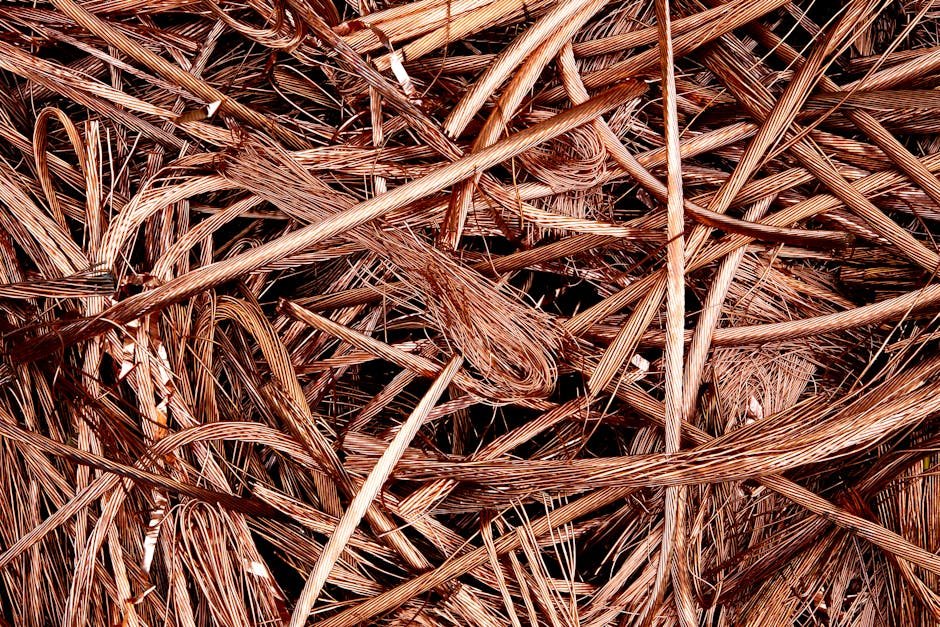

If you are looking for a reliable georges hall scrap copper pick up service, you have come to the right place. Managing copper waste effectively requires more than just finding a bin; it requires an understanding of metal markets, material grading, and logistics. Whether you are a trade professional, a demolition contractor, or a homeowner clearing out a renovation site, our platform provides the infrastructure needed to turn your unwanted metal into a profitable asset. By utilizing a professional service, you ensure that your materials are handled in compliance with Australian environmental standards while maximizing your financial return.
Understanding the Value of Copper Recycling
Copper is one of the most highly valued commodities in the global recycling market. Due to its infinite recyclability—meaning it can be melted down and reformed without losing its chemical properties—it remains a cornerstone of the circular economy. When you engage in a georges hall scrap copper pick up, you are contributing to a supply chain that reduces the need for energy-intensive copper mining. Mining raw ore is a destructive process that requires massive amounts of water and electricity, whereas recycling existing copper uses up to 85% less energy. In the context of the Australian construction industry, copper is ubiquitous. From high-voltage cabling to intricate plumbing systems, this metal is the backbone of our infrastructure. By choosing to recycle, you are not just clearing space; you are participating in a global effort to preserve natural resources. For those interested in the broader market, our Scrap Copper resource page provides a comprehensive breakdown of why this metal is so sought after by manufacturers and traders alike.
Identifying Your Copper: Grades and Classifications
To get the best price, you must understand how scrap yards grade your material. Not all copper is created equal, and the value fluctuates based on purity, insulation, and oxidation levels. When preparing for a pickup, sorting your materials beforehand can significantly increase your payout.
- Bare Bright Copper: This is the gold standard. It consists of unalloyed, uncoated, and unalloyed copper wire, stripped of all insulation. It must be clean and free of oxidation or paint.
- Number 1 Copper: This includes clean copper pipe and heavy-gauge wire that is free of fittings, solder, or other contaminants. It should have a natural, bright appearance.
- Number 2 Copper: This grade includes copper that has some impurities, such as solder, paint, or minor oxidation. It may also include plumbing pipes that have been used but are still structurally sound.
- Insulated Copper Wire: This is copper wire that still retains its plastic or rubber coating. The value here is determined by the “recovery rate” of the copper inside the casing.
Understanding these distinctions is essential for anyone looking to optimize their Scrap Copper Prices Near Me. By separating your bare bright from your number 2 copper, you avoid the “mixed load” penalty, where the entire batch is priced at the lowest grade. If you are uncertain about your specific materials, our Copper Scrap Group offers expert advice on how to identify and categorize your haul for maximum profit.
Logistics and the Georges Hall Scrap Copper Pick Up Process
Efficiency is the hallmark of a professional recycling operation. The logistics of moving heavy, high-density metals like copper require specialized equipment and scheduling. Our georges hall scrap copper pick up service is designed to minimize downtime for your business or project. We understand that time is money, especially on active construction sites. When you schedule a pickup, our team assesses the volume and weight of your scrap to provide the correct vehicle, whether it is a small utility truck for residential clearance or a heavy-duty hydraulic lift vehicle for industrial scrap. We also coordinate with other regional services to ensure comprehensive coverage; for instance, we regularly facilitate newington scrap copper pick up and daruk island scrap copper pick up to ensure that no matter where you are located, your scrap metal is handled with the same level of professional care. Our commitment is to provide a seamless, door-to-door service that removes the burden of transport from your shoulders.
The Environmental Imperative of Copper Recovery
Beyond the financial incentives, there is a profound environmental argument for recycling. Copper is a finite resource. While it is abundant in the earth’s crust, the grades are declining, meaning it takes more energy and environmental degradation to extract the same amount of metal today than it did fifty years ago. By recycling, we extend the life of the copper already in circulation. This is especially critical in Australia, where we have a robust history of metal production and consumption. Recycling copper reduces the volume of waste sent to landfills, which is a major goal for municipal waste management. Furthermore, the reduction in carbon emissions associated with secondary copper production is a significant step toward meeting national sustainability targets. When you choose a certified recycling partner, you are ensuring that your waste is processed in facilities that prioritize emission controls and safe working conditions. For more information on how to participate in these sustainable practices, visit Scrap Trade Australia to learn about our national network of recycling initiatives.
Market Factors Influencing Copper Price Per Kg
The copper price per kg is not static; it is a global commodity price influenced by complex factors. Understanding these can help you decide when to sell your scrap. Key drivers include global manufacturing output, particularly in China and the US, as well as mining production levels in South America. When supply chains are disrupted, prices often spike. Additionally, the strength of the Australian dollar plays a role, as copper is traded internationally in USD. For local sellers in Georges Hall, staying informed about these trends is vital. We recommend tracking the market weekly if you have large quantities of copper. If you are holding onto significant amounts of material, consider the cost of storage versus the potential for price appreciation. Our platform, Scrap Trade, provides real-time updates and market analysis to help you make informed decisions about when to sell your scrap.
Best Practices for Storing and Preparing Scrap
To ensure you get the best service, preparation is key. Proper storage prevents oxidation and contamination, which can lower your copper’s grade. Keep your copper indoors or under a tarp to prevent rain and moisture from causing premature corrosion. When stripping wire, use the appropriate tools to avoid damaging the copper strands. If you are dealing with large quantities of copper pipe, try to keep them organized by length and thickness. This makes it easier for our team to weigh and grade your material accurately during the pickup process. Safety is also paramount; always wear gloves and eye protection when handling scrap metal, as edges can be razor-sharp. By keeping your site tidy and your materials sorted, you not only make the pickup faster but also demonstrate to the buyer that you are a professional who values their material, which often leads to better long-term relationships and potentially better pricing.
Future Trends in Metal Recycling
The future of the recycling industry is moving toward greater transparency and technological integration. We are seeing a shift toward digital tracking of scrap, where the origin and composition of metal can be verified through blockchain or similar technologies. This is crucial for manufacturers who need to prove the recycled content of their products to meet environmental, social, and governance (ESG) criteria. As we look forward, the demand for high-quality recycled copper is only expected to grow, driven by the electrification of the transport sector and the transition to renewable energy systems, both of which are copper-intensive. By establishing a relationship with a professional scrap service today, you are positioning yourself at the forefront of this circular economy. We are constantly upgrading our processes to ensure that we meet these future demands, providing our clients in Georges Hall and beyond with the most advanced recycling solutions available.
Conclusion: Why Choose Professional Recycling
Choosing a professional service for your scrap metal needs is about more than just convenience—it is about value, security, and sustainability. When you partner with us for your georges hall scrap copper pick up, you are choosing a team that understands the nuances of the metal market and the importance of responsible recycling. From the initial inquiry to the final weight verification and payment, our process is designed to be transparent and rewarding. We encourage you to explore our resources, stay updated on market prices, and reach out to our team whenever you are ready to turn your scrap into capital. Together, we can ensure that Australia’s metal resources are managed efficiently, supporting both the economy and the environment for years to come.
Frequently Asked Questions
How do I prepare my copper for a pickup?
To get the best price, sort your copper by grade, such as separating bare bright wire from insulated wire or copper pipes. Keep the materials clean, dry, and free of non-metallic contaminants like plastic, wood, or excessive dirt.
How is the copper price per kg determined?
The price is primarily driven by global commodity markets, which fluctuate based on supply, demand, and currency exchange rates. Local scrap yards then adjust these prices based on their processing costs and the specific grade of your copper.
Is there a minimum quantity for a pickup?
While we strive to assist all customers, larger quantities are more cost-effective for both parties. Please contact our team with your specific volume so we can determine the best logistics solution for your needs.
Why is it better to recycle copper instead of throwing it away?
Recycling copper saves up to 85% of the energy required to mine and process new ore, significantly reducing carbon emissions. It also prevents valuable materials from ending up in landfills and supports the circular economy.