
If you are looking to secure the best money for used catalytic converters, understanding the underlying value of the precious metals contained within them is essential. These automotive components are not merely scrap metal; they are high-value assets containing rare platinum group metals (PGMs) that are critical for modern emission control. As an Australian scrap metal trader, navigating this market requires knowledge of global commodity trends, local regulations, and the specific grading systems used by refineries.
The Science and Economics of Catalytic Converter Recycling
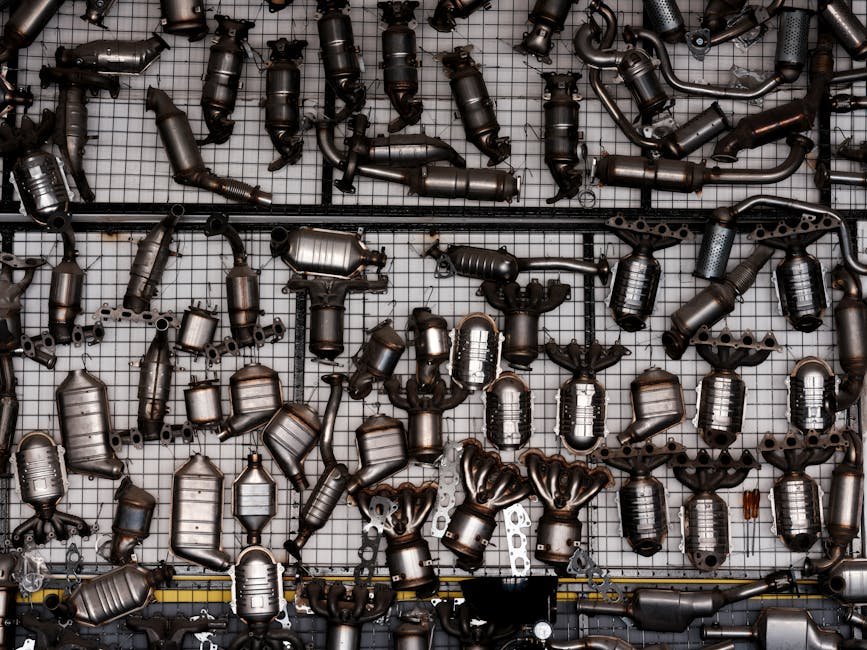
At the heart of every cat converter lies a ceramic honeycomb structure coated with a washcoat containing precious metals. These metals—specifically platinum, palladium, and rhodium—act as catalysts to convert toxic exhaust gases into less harmful substances. Because these metals are incredibly rare and difficult to mine, recycling them is far more efficient than mining new ores. This is why there is significant money for used catalytic converters in the current market.
The value of a unit is determined by the concentration of these metals. Palladium is often the most volatile and valuable component in gasoline-powered vehicles, while platinum is frequently found in diesel units. Rhodium, though present in smaller quantities, is arguably the most valuable metal by weight due to its extreme scarcity and necessity in reducing nitrogen oxides. When you decide to trade these items, you are participating in a global circular economy. For those looking for international comparisons, you might be interested to see how global markets operate, such as how to recycle catalytic converters in hungary or the specific logistics involved to recycle catalytic converters in chile.
How to Identify and Grade Your Catalytic Converters
Not all converters are created equal. The most critical step in maximizing your return is accurate identification. Each unit is stamped with a serial number or a specific code. This code corresponds to a database that lists the exact amount of precious metals contained within that specific model. Without this code, a buyer cannot accurately assess the value, which often leads to low-ball offers.
To ensure you get the right price, you must clean the unit of excess rust and debris, but never remove the ceramic honeycomb inside, as that is where the value resides. Professional recyclers use X-ray fluorescence (XRF) technology to verify the metal content. If you are preparing to sell, it is vital to follow best practices. You can learn more by reading our guide on Selling Catalytic Converters How To Maximize Your Profit Safely. Understanding the grading process prevents you from being underpaid for high-yield units.
The Role of Ecotrade Group in the Recycling Ecosystem
When dealing with high-volume scrap, working with reputable industry leaders is non-negotiable. The Ecotrade Group Catalytic Converters platform provides a transparent, data-driven approach to valuation that sets the standard for the industry. By utilizing their extensive database, traders can cross-reference serial numbers against real-time market fluctuations, ensuring that the money for used catalytic converters you receive is reflective of the true PGM spot price.
For those involved in industrial-scale collection or specialized automotive dismantling, staying updated on the latest market trends is a full-time job. We recommend reviewing the Sell Platinum Scrap Jewelry Catalytic Converters Industrial 2026 Guide to understand how the market is projected to evolve over the coming years. This resource is invaluable for those looking to scale their operations and maintain profitability in a fluctuating commodity environment.
Navigating Australian Regulations and Safety
In Australia, the scrap metal industry is subject to strict regulations designed to prevent the trade of stolen goods. As a responsible seller, you must ensure that your business practices align with local laws. This includes maintaining detailed records of your inventory, verifying the source of your scrap, and ensuring that you are dealing with licensed entities. The Australian scrap metal trading hub provides the necessary infrastructure for local traders to connect with certified buyers who adhere to these legal standards.
Safety is equally important. Catalytic converters contain hazardous materials, including ceramic dust and heavy metals. Always wear appropriate personal protective equipment (PPE) when handling these units, especially if they are damaged or broken. Never attempt to grind or crush the housing yourself, as the dust generated is toxic and strictly regulated under environmental protection laws. By maintaining a clean, professional, and compliant operation, you not only protect your business but also contribute to the sustainability of the Australian recycling sector.
Market Trends: PGM Price Volatility
The price of platinum, palladium, and rhodium is subject to extreme volatility. Factors such as automotive production quotas, geopolitical instability in mining regions (like South Africa or Russia), and the shift toward electric vehicles (EVs) all impact the market. While EVs do not use catalytic converters, the transition period remains a goldmine for recyclers, as millions of internal combustion engine vehicles remain on the road.
Investors and traders should monitor the “PGM basket price.” This is a weighted average of the metals within a converter. When rhodium prices spike, the value of even a small converter can skyrocket. Conversely, when palladium prices drop, it may be more profitable to hold your stock until the market corrects. Successful traders are those who treat their inventory as a portfolio, timing their sales to coincide with market highs.
Best Practices for Scrap Metal Traders
To maximize your profit, treat your catalytic converter inventory as a high-value commodity. Store units in a dry, secure location to prevent oxidation of the housing, which can make serial numbers difficult to read. Organize your stock by brand, model, or value tier. When you are ready to sell, provide your buyer with a clear, itemized list of your inventory. If you are looking for a reliable partner, you can visit the leading global scrap trading platform to find verified buyers who offer competitive rates for your specific inventory.
Furthermore, do not rely on a single buyer. Build relationships with multiple refineries or trading groups. Compare offers, ask about their refining fees, and understand their payment terms. Some buyers offer spot cash, while others may offer a percentage of the final refined yield. Knowing the difference between these two models is crucial for your bottom line. Always prioritize transparency and ensure that you are receiving a fair valuation based on the current market spot prices for the metals contained within your scrap.
Future Outlook: Is the Market Dying?
A common question is whether the rise of electric vehicles will render the catalytic converter market obsolete. The answer is a definitive no, at least for the next two to three decades. The global fleet of internal combustion vehicles is massive, and the demand for replacement parts and the eventual recycling of these vehicles will continue to provide a steady supply of units. Furthermore, the precious metals recovered from these units are essential for other industries, including electronics, chemical manufacturing, and jewelry production.
The recycling industry is actually becoming more sophisticated. Advances in chemical leaching and plasma arc smelting are allowing recyclers to recover a higher percentage of PGMs with less environmental impact. This technological progress ensures that the recycling of catalytic converters remains a profitable and environmentally sound business model for the foreseeable future. By staying informed and maintaining high standards, you can continue to generate consistent revenue from this sector for years to come.
Conclusion
The trade of used catalytic converters is a complex but highly rewarding sector of the scrap metal industry. By focusing on accurate identification, staying current with PGM market trends, and maintaining strict compliance with Australian regulations, you can maximize your returns. Whether you are a small-scale automotive dismantler or a large-scale scrap processor, the key to success lies in treating these components as the high-value assets they are. Use the resources provided, build strong relationships with reputable buyers, and always keep an eye on the global market to ensure you are getting the best possible value for your inventory.
Related: Ecotrade Group Catalytic Converters
Frequently Asked Questions
How do I know the value of my catalytic converter?
The value is determined by the specific serial number stamped on the unit, which corresponds to its precious metal content. You should use a professional catalytic converter database or consult with a licensed buyer to get an accurate quote based on current PGM spot prices.
Why are rhodium, palladium, and platinum so valuable?
These metals are part of the platinum group metals (PGMs) and are extremely rare, durable, and effective at catalyzing chemical reactions. Because they are difficult to mine, recycling them from used converters is much more cost-effective than extracting them from new ore.
Is it legal to sell used catalytic converters in Australia?
Yes, it is legal, provided you are dealing with licensed scrap metal dealers and following state-specific regulations regarding the documentation and verification of the scrap. Always ensure you have proof of purchase or origin to comply with anti-theft laws.
Should I remove the ceramic honeycomb from the converter?
No, you should never remove or crush the ceramic honeycomb inside the converter. The precious metals are embedded in this material, and removing it often makes the unit worthless to professional recyclers, as they cannot verify the metal content accurately.