
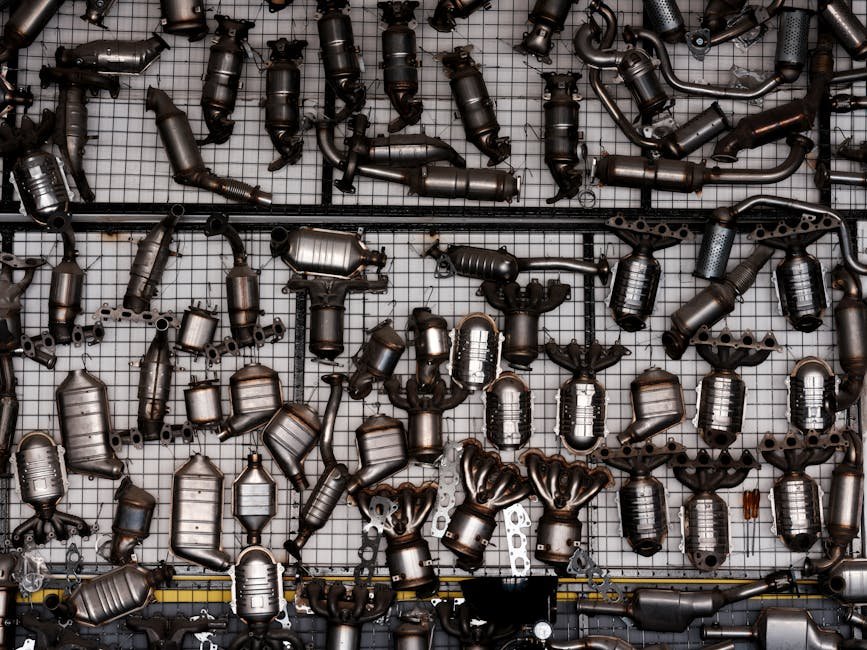

When you decide to recycle catalytic converters in Wyoming, you are participating in a sophisticated global supply chain that recovers critical precious metals. These components are not merely scrap; they are highly engineered chemical reactors containing platinum, palladium, and rhodium. Understanding the intricacies of this market is vital for maximizing returns and ensuring environmental compliance. Whether you are an automotive workshop owner, a scrap yard operator, or an individual enthusiast, the process of extracting value from these units requires precision. To navigate this landscape effectively, it is essential to understand the regulatory environment, the recovery process, and the logistics of transport. For those seeking professional guidance, Ecotrade Group Catalytic Converters provides the industry-leading standards required for accurate valuation and ethical processing.
The Science of Catalytic Converter Recycling
The catalytic converter is essentially a ceramic honeycomb structure coated in a washcoat of precious metals. The chemical reaction that reduces toxic emissions—converting carbon monoxide, hydrocarbons, and nitrogen oxides into less harmful substances—is exactly what makes these units valuable after their useful life. The recycling process involves several stages: collection, decanning, milling, and chemical refining. During the milling phase, the ceramic monolith is crushed into a fine powder. This powder is then sampled and assayed to determine the precise weight of platinum, palladium, and rhodium. Because these metals trade on commodities exchanges, their value fluctuates daily. Understanding these market dynamics is a core component of Selling Catalytic Converters How To Maximize Your Profit Safely. Without professional assaying, you are essentially guessing the value of your scrap, which often leads to significant financial loss.
Regulatory Landscape and Compliance in Wyoming
Wyoming has specific regulations regarding the trade of scrap metal to deter theft and ensure that only legitimate, legal materials enter the recycling stream. When you recycle catalytic converters in Wyoming, you are subject to statutes that require detailed record-keeping. This includes maintaining a log of the seller’s identity, the vehicle identification number (VIN) from which the converter was removed, and the date of the transaction. Authorities enforce these rules to prevent the sale of stolen parts. It is imperative to work with a reputable recycling centre that operates transparently. Always demand a receipt and ensure the facility adheres to federal environmental standards for hazardous waste management. By maintaining strict documentation, you protect your business and contribute to the integrity of the recycling industry. For a broader perspective on global standards, you may find it useful to review how others Recycle Catalytic Converters in Greece: Complete Guide to compare international best practices with local Wyoming requirements.
Logistics: Drop-Off vs. Pickup Service
Choosing between a drop-off at a local facility or utilizing a professional pickup service depends on the volume of your inventory and your proximity to processing hubs. A drop-off is often preferred for smaller quantities or when you have an established relationship with a local yard that offers immediate, on-site testing. However, for large-scale operations or industrial volumes, a dedicated pickup service is far more efficient. These services often provide secure, insured transport, which is critical given the high intrinsic value of the metals. When arranging for a pickup, ensure the logistics provider has experience in handling precious metal scrap. They should provide a manifest and a clear chain of custody. If you are managing industrial-grade scrap, refer to the Sell Platinum Scrap Jewelry Catalytic Converters Industrial 2026 Guide to understand the logistics of high-volume asset recovery. Regardless of the method, the goal remains the same: minimizing the risk of loss during transit and ensuring the material reaches a certified refinery.
Maximizing Financial Returns
Profitability in catalytic converter recycling is driven by three factors: accurate identification, volume, and timing. Catalytic converters are categorized by their manufacturer, size, and the specific precious metal loading. Some converters contain significantly higher concentrations of rhodium, which has historically been the most expensive of the three PGM (Platinum Group Metals). To maximize your profit, you must avoid the temptation to sell to ‘middlemen’ who offer flat-rate pricing. Instead, seek out buyers who use XRF (X-ray fluorescence) technology or laboratory assaying to provide a quote based on current market prices. For comprehensive data on global metal markets, visit Scrap Trade for real-time updates. Furthermore, consider the benefits of a long-term partnership with a refinery. Consistent suppliers often receive better terms, including faster processing times and more favorable hedging options. Always stay informed about market trends; when precious metal prices are high, it is the optimal time to clear out your inventory.
Environmental Impact and Sustainability
The environmental argument for recycling catalytic converters in Wyoming is compelling. By recovering metals from end-of-life vehicles, we reduce the need for destructive mining operations. Mining platinum and rhodium is energy-intensive and ecologically taxing; recycling these metals requires only a fraction of that energy. Furthermore, proper recycling ensures that toxic heavy metals and ceramic dust are safely contained and processed, preventing them from entering landfills or contaminating groundwater. As global demand for these metals increases—partly due to the production of new catalytic converters and partly due to their use in hydrogen fuel cell technology—the circular economy becomes increasingly vital. Responsible recycling is not just a business decision; it is an act of environmental stewardship. For those interested in how these practices fit into a wider, sustainable supply chain, the resources at Scrap Trade Australia offer excellent insights into how modern recycling facilities are evolving to meet 21st-century sustainability goals.
Future Trends in the Catalytic Converter Market
The automotive industry is shifting toward electrification, which has led many to speculate about the future of catalytic converter recycling. However, the internal combustion engine will remain the dominant form of transport for decades to come, ensuring a steady supply of converters for years. Moreover, the precious metals contained in these units are currently being researched for applications in next-generation green technologies. This means that even as the number of new gasoline-powered vehicles declines, the demand for the metals inside them will likely remain robust. Staying ahead of these trends requires continuous education. As you continue to recycle catalytic converters in Wyoming, keep an eye on developments in PGM recovery technology. Facilities that invest in advanced chemical separation techniques will be the ones that offer the best prices to their suppliers. By aligning yourself with these forward-thinking processors, you ensure that your business remains profitable and relevant in a changing market.
Final Practical Recommendations
To succeed in this industry, treat your catalytic converter inventory as a liquid asset. Keep your units organized by grade and manufacturer, keep them dry to prevent corrosion of the ceramic substrate, and document every transaction meticulously. If you are working with a large volume, consider investing in your own XRF analyzer to verify the quality of your stock before it leaves your facility. This level of professional rigor prevents disputes and ensures you are paid the true market value. Remember that the market for precious metals is volatile; do not be afraid to hold your inventory when prices are low and sell when the market spikes. Above all, maintain a network of reliable, licensed buyers who operate with transparency. The most successful traders in Wyoming are those who view the recycling process not as a chore, but as a sophisticated financial strategy. By following these principles, you turn a scrap component into a significant revenue stream while supporting a vital, sustainable industry.
Frequently Asked Questions
How do I determine the value of my catalytic converter?
The value is determined by the specific precious metal content—platinum, palladium, and rhodium—which is identified through the unit’s serial number or by using XRF analysis. You should consult a reputable refiner who provides pricing based on current daily commodity market rates.
Is it legal to sell used catalytic converters in Wyoming?
Yes, it is legal, provided you comply with state scrap metal laws. You must be prepared to provide valid identification and proof of ownership or a legitimate source for the parts to ensure you are not trading in stolen property.
What is the difference between a drop-off and a pickup service?
A drop-off is suitable for smaller quantities and allows for immediate on-site inspection and payment. A pickup service is designed for high-volume commercial clients and provides secure, insured logistics for large quantities of scrap.
Why is it important to use a certified recycling centre?
Certified centres ensure that hazardous materials are handled according to environmental regulations and that precious metals are recovered with maximum efficiency. Using a certified facility also ensures you receive accurate assays and fair market payment.