
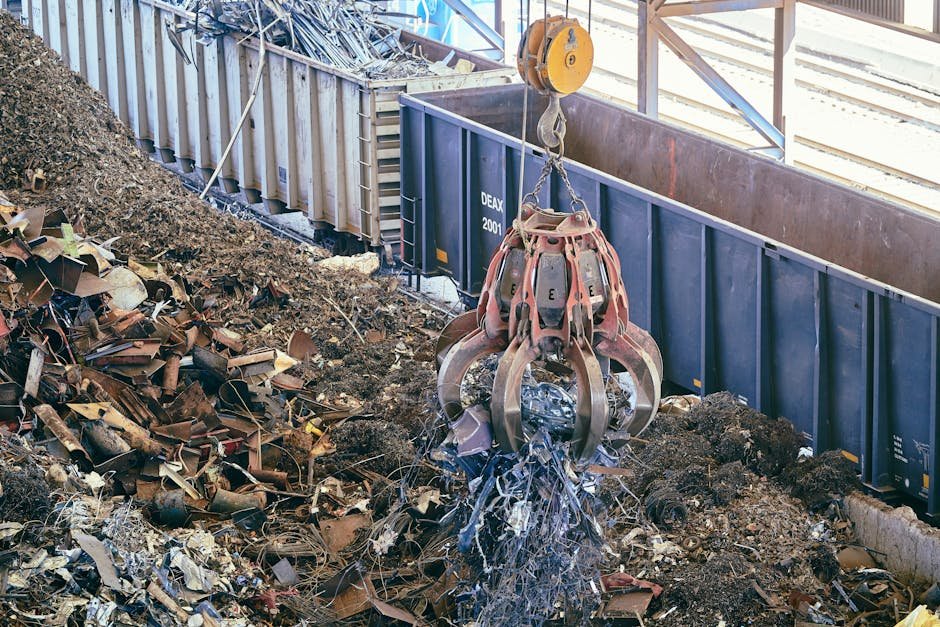

When you decide to sell iron scrap near me, you are entering a sophisticated global supply chain that transforms industrial waste into essential manufacturing resources. The Australian scrap metal industry is a high-volume, dynamic sector where pricing fluctuates based on the London Metal Exchange (LME) and local demand. Understanding how to navigate this market is essential for ensuring you receive the best price for your ferrous materials. Whether you are a tradesperson clearing a worksite or a homeowner with old machinery, your ability to sort and prepare your metal directly influences your profit margin. This guide provides the definitive roadmap for navigating the complexities of the Iron Scrap Group landscape to ensure you maximize your returns.
Understanding Ferrous Scrap and Iron Grades
Ferrous scrap, primarily consisting of iron and steel, is the most recycled material on the planet. Unlike non-ferrous metals like copper or aluminium, iron is magnetic and typically lower in price per kilogram, but it makes up for this in sheer volume. To successfully sell iron scrap near me, you must first distinguish between the primary grades of iron. The most common grade is ‘Heavy Melting Steel’ (HMS), which includes structural steel, beams, and thick plate metal. Another common category is ‘Light Iron’ or ‘Sheet Iron,’ which includes thinner materials like roofing, car bodies, and appliances. Cast iron is a distinct category, known for its brittleness and high carbon content; it is often found in old engine blocks, heavy machinery bases, and vintage cookware. Knowing your grade is the first step in negotiating with a scrap dealer. If you present a load of mixed, dirty scrap, you will likely receive the lowest ‘mixed steel’ price. However, if you take the time to separate clean, heavy structural steel from light, thin sheet metal, you can often command a premium rate. For a deeper dive into these classifications, refer to our comprehensive How to Sell Scrap Iron: A 2026 Australian Guide which details the specific physical characteristics that graders look for at the weighbridge.
How to Get the Best Price for Your Iron
Achieving the best price when you look to sell iron scrap near me requires a proactive approach to preparation. The price you receive is rarely a fixed number; it is a negotiation based on the quality of your load. First, remove any non-metallic attachments. Plastic, wood, glass, and rubber are considered ‘contamination’ and will either lead to a lower price or a total rejection of the load. If you are selling large machinery, ensure that all fluids—oil, coolant, and hydraulic fluid—have been drained. Most scrap yards in Australia operate under strict environmental regulations and will charge a significant fee to process contaminated loads, or they may refuse them outright. Second, consider the volume. While individual loads are welcome, scrap yards often provide better pricing tiers for consistent, high-volume suppliers. If you have a significant amount of material, call the yard ahead of time to discuss your tonnage. You can find reputable buyers by visiting Scraptrade, which provides localized insights into current market trends. Always request an itemized receipt for your transaction, as this provides a paper trail for your business accounting and confirms the weights used for your payment calculation. Remember that the iron price per kg changes daily, so timing your sale to coincide with market upticks can significantly increase your total payout.
The Logistics: Where to Sell and What Documents You Need
Choosing the right partner is critical. When searching for a local scrap yard, look for facilities that are members of recognized industry bodies, as these are more likely to offer transparent pricing and ethical recycling practices. You can learn more about the process of how to Sell Scrap effectively on our dedicated portal. When you arrive at the yard, you will need to provide specific documentation. In many Australian states, you must provide a valid form of photo identification, such as a driver’s license or passport. This is a legal requirement under the Second-Hand Dealers and Pawnbrokers Acts designed to prevent the sale of stolen property. Some yards may also require an ABN if you are selling as a business. Expect to drive your vehicle onto a weighbridge upon entry. After unloading, you will drive across the bridge again to determine the ‘tare’ weight. The difference between these two figures is the weight of the material you have sold. Always check that the scales are certified and visible. If you are dealing with large quantities, inquire about bin services. Many yards will drop off a skip bin at your site, which you can fill over time and have collected, saving you the cost and effort of multiple trips.
The Recycling Process and Environmental Impact
The environmental case for recycling iron is compelling. Every tonne of recycled steel saves approximately 1.5 tonnes of iron ore, 0.5 tonnes of coal, and 40% of the water required for primary steel production. When you recycle iron, you are directly reducing the carbon footprint of the manufacturing sector. The process begins at the scrap yard, where materials are sorted, cleaned, and often shredded or sheared into smaller pieces. These pieces are then fed into electric arc furnaces (EAFs) or basic oxygen furnaces, where they are melted down and refined into new steel products. This circular economy is vital for Australia’s sustainability goals. By choosing to recycle rather than sending your metal to a landfill, you are preventing toxic leaching and saving valuable land space. Furthermore, the energy savings are immense; recycling steel uses significantly less energy than mining, transporting, and processing virgin iron ore. As a participant in this industry, your decision to properly sort and sell your scrap contributes to a global effort to conserve natural resources and reduce industrial emissions. This is why professional scrap dealers emphasize the importance of clean, source-separated loads—it makes the downstream recycling process far more efficient and energy-effective.
Trends in the 2026 Australian Scrap Market
The Australian scrap market in 2026 is defined by increased automation and stricter environmental compliance. We are seeing a move toward ‘smart yards’ where AI-driven optical sorters identify alloys and grades with unprecedented accuracy. For the individual seller, this means that the quality of your load is more transparent than ever. You cannot hide contaminants in the middle of a pile anymore. Furthermore, the global shift toward ‘green steel’—steel produced using renewable energy—has increased demand for high-quality, low-impurity scrap. This is driving up the value of clean, sorted ferrous scrap compared to mixed, dirty loads. As a seller, you should be aware that the market is becoming more professionalized. Yards are increasingly looking for long-term partners who provide consistent, high-quality material. If you represent a business, focus on building a relationship with a single, reliable merchant rather than chasing the highest price at a different yard every time. This loyalty often leads to better service, faster payments, and priority access to skip bin services during busy periods. Staying informed through industry updates and tracking the iron price per kg will ensure you remain competitive in this evolving landscape. By treating your scrap metal as a valuable commodity rather than ‘trash,’ you align yourself with the best practices of the modern circular economy.
Operational Excellence: Safety and Efficiency
Safety is the most overlooked aspect of selling scrap metal. Handling ferrous scrap involves heavy, sharp, and often unstable materials. When preparing your load, always wear high-visibility clothing, steel-capped boots, and heavy-duty gloves. If you are transporting scrap, ensure it is properly secured to your trailer or truck using heavy-duty chains or load-rated straps. Unsecured loads are not only a danger to other motorists but are also illegal and can lead to heavy fines. When arriving at a scrap yard, follow all site-specific safety protocols, including speed limits and pedestrian exclusion zones. Many yards are busy industrial sites with forklifts and heavy machinery moving constantly; your vigilance is required. Efficiency is equally important. Sort your scrap at the source—keep your cast iron separate from your light sheet metal, and keep your non-ferrous metals (like copper or brass) in separate containers. This ‘pre-sorting’ saves you time at the yard and ensures you get the maximum value for every piece. If you arrive with a jumbled mess, you will be forced to accept a ‘mixed’ price, which is almost always the lowest rate on the board. By mastering the logistics of your own scrap management, you transform a chore into a profitable business process.
Frequently Asked Questions
Do I need an ABN to sell iron scrap?
While individuals can often sell small amounts of scrap with just a photo ID, most scrap yards will require an ABN if you are selling as a business or in large, commercial quantities. Always check with your local yard regarding their specific requirements for commercial vs. private sellers.
How can I tell if my metal is cast iron or steel?
Cast iron is typically thicker, heavier, and more brittle than steel; it often has a rough, porous surface and may show signs of ‘casting’ marks or seams. A simple test is to use a hammer: if you strike it, steel will ring or dent, while cast iron will often crack or chip.
Why do scrap prices change so often?
Scrap metal prices are tied to global commodity markets and the London Metal Exchange. Factors such as global demand for steel, shipping costs, and local industrial activity all influence the daily rate offered by your local scrap yard.
What happens if my scrap metal is dirty or contaminated?
Contaminated scrap, such as metal attached to plastic, wood, or concrete, is much harder to process. Most yards will either deduct a significant percentage from the weight to account for the ‘dirt’ or reject the load entirely to avoid environmental and equipment damage.