

Understanding how to sell scrap copper effectively is the primary way trade professionals and homeowners alike turn discarded metal into significant cash. In the Australian market, where commodity volatility is the norm, having a clear strategy for collection, storage, and processing is the difference between a minor payout and a high-value return. Whether you are a licensed electrician handling large volumes of copper wire or a homeowner clearing out old copper pipe, the process requires precision and knowledge of the grading systems used by industry leaders. By learning how to sell scrap copper with a professional mindset, you ensure that your materials are valued correctly based on purity and current market conditions. Our platform at Scrap Trade provides the necessary infrastructure to streamline this process, ensuring you get the best price for your materials. We invite you to explore our comprehensive resources on Scrap Copper to better understand the nuances of the recycling lifecycle. For those searching for local outlets, our guide on Where to Sell Scrap Copper Near Me: Complete 2026 Guide offers essential insights into finding verified, high-paying recycling yards. Furthermore, if you are ready to offload your collection, you can Sell Scrap directly through our verified network. For broader industry insights, visit Scraptrade.com.au to stay updated on national trends and compliance standards.
Understanding Copper Grades and Market Value
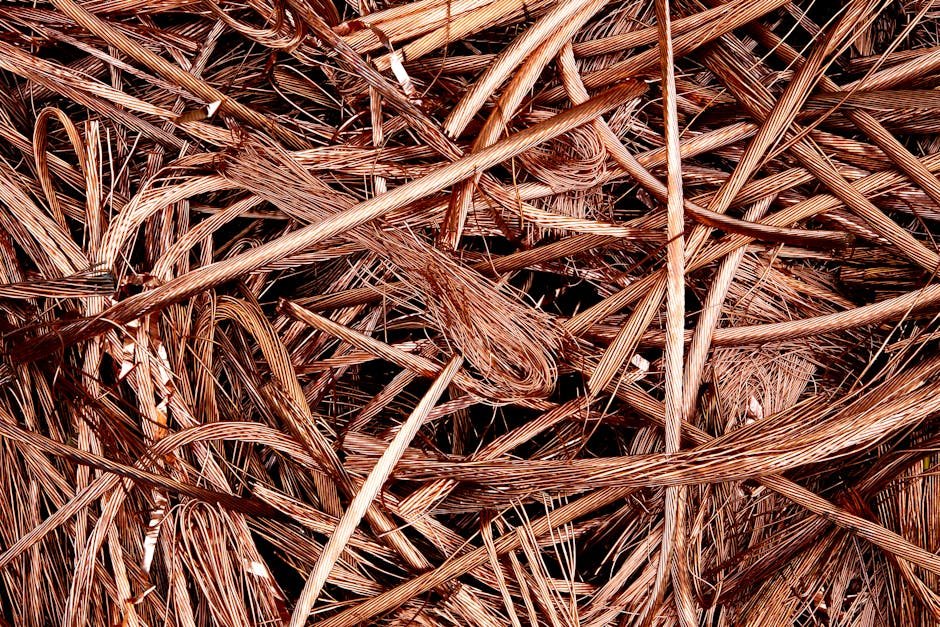
The foundation of any profitable scrap venture is the ability to distinguish between different grades of copper. Scrap dealers do not pay a flat rate for all copper; they categorize material based on purity, oxidation levels, and the presence of contaminants. The highest value grade is Bare Bright Copper, which consists of clean, unalloyed, uncoated, and uninsulated copper wire or tubing. This material must be free of oxidation and paint to qualify for the premium price. When you learn how to sell scrap copper, you quickly realize that stripping insulation from wire is the most effective way to increase your profit margins. Number 2 Copper is the next common grade, which includes wire that may have some oxidation or light coating, or copper pipe that has solder or fittings attached. Because the recycler must put in extra labor to clean this material, the price per kg is lower than that of bare bright. Other grades include Number 3 (light copper) or insulated copper wire, which is priced based on the copper recovery rate (the percentage of pure metal inside the plastic jacket). Always check the current copper price per kg before heading to the yard, as market fluctuations can occur daily based on the London Metal Exchange (LME) and local currency strength. High-quality scrap is always in demand, and dealers are willing to pay more for clean, sorted loads because it reduces their processing time. By presenting your material in a sorted, clean state, you establish yourself as a professional supplier, which often leads to better long-term pricing agreements with your local yard.
The Step-by-Step Process of Selling Scrap
The logistics of moving scrap metal require a methodical approach to ensure safety and maximum financial return. From the moment you identify a potential source of scrap to the final transaction at the scale, every step impacts your bottom line. Preparation is key; a disorganized load is a red flag for a scrap dealer and often results in a lower appraisal. You must ensure your materials are free from hazardous waste, such as lead-based paint, asbestos, or excessive dirt, as these contaminants can lead to your load being rejected or downgraded. Use magnetic testing to ensure your copper is not actually steel or iron coated in copper, which is a common mistake for beginners. Maintain a log of your sales to track your earnings and understand how your collection habits correlate with market shifts. When you arrive at the facility, be prepared to provide identification, as Australian regulations require scrap dealers to record the details of sellers to prevent the trade of stolen goods. This regulatory environment is designed to protect the integrity of the recycling industry. By following a structured process, you minimize downtime and maximize your efficiency, allowing you to focus on sourcing higher-quality materials for your next trip.
Environmental Impact and the Circular Economy
Recycling copper is not just a financial transaction; it is a vital component of Australia’s transition to a circular economy. Copper is infinitely recyclable without losing any of its chemical or physical properties, making it one of the most sustainable materials in the industrial sector. Every tonne of recycled copper saves approximately 80% of the energy required to mine and process virgin copper ore. By participating in the scrap market, you are directly contributing to the reduction of mining waste, carbon emissions, and the preservation of natural landscapes. The environmental benefits are compounded when you consider the global demand for copper in renewable energy infrastructure, such as electric vehicles, wind turbines, and solar panels. As a scrap seller, you are a critical link in the supply chain that keeps these vital resources in circulation. When you choose to recycle rather than discard your copper, you are preventing heavy metals from entering landfills and groundwater systems. This commitment to sustainability is increasingly recognized by both consumers and corporations, adding a layer of ethical value to your recycling efforts. Understanding the broader impact of your actions encourages a more disciplined approach to scrap management, ensuring that nothing of value is wasted in the pursuit of a cleaner, more efficient future.
Optimizing Your Returns: Tips for the Serious Seller
To consistently secure the best price for your scrap, you must adopt a strategic approach to storage and timing. Start by designating a clean, dry area for your scrap collection to prevent oxidation, which can degrade the value of your copper over time. Exposure to moisture and salt air, particularly in coastal Australian regions, can turn bright copper into dull, oxidized material, effectively dropping it from a high-value grade to a lower one. Invest in tools that make processing easier, such as wire stripping machines, which can pay for themselves within a few weeks of consistent use. When you are ready to sell, call ahead to your local yard to confirm their current buying rates and whether they have specific requirements for load sizes. Some yards offer better pricing for bulk quantities, so it is often better to store your material until you have a significant amount rather than making frequent, small trips. Researching Scrap Copper Prices Near Me will give you a baseline, but remember that building a relationship with a specific dealer can lead to loyalty-based price premiums. Always ask for a printed receipt that details the weight and price per grade, and compare this against your own pre-weighing records. If you notice discrepancies, address them immediately with the yard manager. Transparency is the hallmark of a professional relationship, and by maintaining high standards, you ensure that your scrap copper business remains profitable and sustainable for years to come. The goal is to move from a casual scavenger to a professional supplier who understands the market intimately and commands respect at the weighbridge. As you gain experience, you will learn to anticipate market trends, allowing you to sell during peak price periods and hold your inventory when the market is depressed. This level of market awareness is what separates the top-tier scrap traders from those who simply offload whatever they have on hand. Always keep your workspace organized, your copper sorted by grade, and your documentation in order. This professional approach not only secures the best price but also ensures that your operations remain compliant with local laws. By treating your scrap collection as a business, you unlock the true potential of this valuable resource, turning waste into wealth while supporting the vital infrastructure of the Australian recycling industry.
Frequently Asked Questions
What is the difference between Bare Bright and Number 2 copper?
Bare Bright copper consists of clean, uninsulated, and unoxidized wire, making it the highest-value grade. Number 2 copper includes wire that is oxidized, has light coatings, or pipe with solder, which requires more processing and thus commands a lower price.
Do I need identification to sell scrap copper in Australia?
Yes, Australian scrap dealers are legally required to verify your identity and record your details when you sell scrap metal to prevent the trade of stolen property. You should bring a valid government-issued photo ID, such as a driver’s license or passport.
Is it worth stripping the insulation off my copper wire?
In almost all cases, yes. Stripping the insulation converts insulated wire into bare bright or number 2 copper, which significantly increases the price per kilogram. The labor involved in stripping is usually well-compensated by the higher payout at the scale.
How often do scrap copper prices change?
Copper prices are tied to global commodity markets and can fluctuate daily. It is recommended to check local scrap yard price lists or industry trackers on the day you plan to sell to ensure you are receiving the most current market rate.