
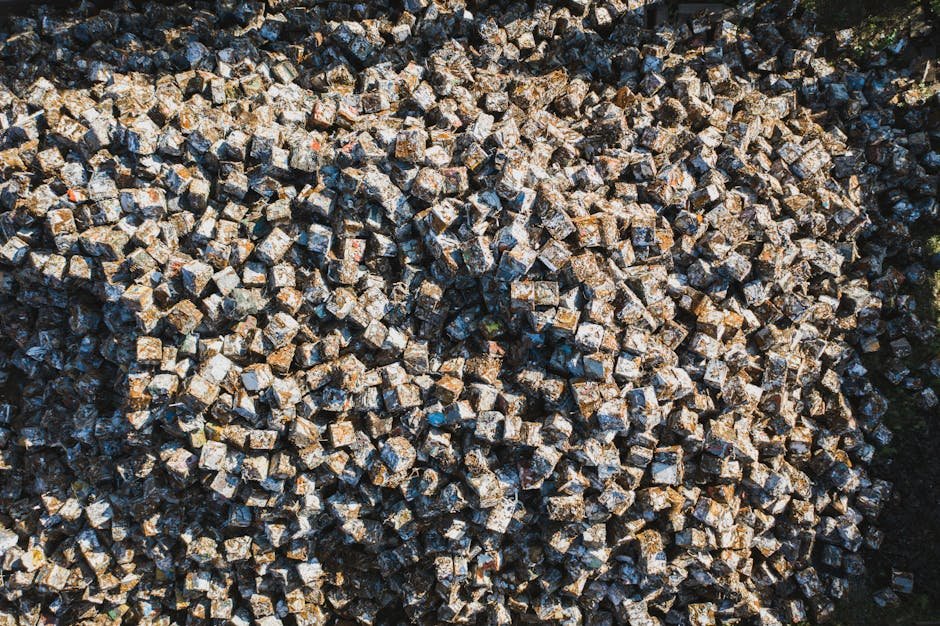

Understanding the nuances of lead scrap is essential for any professional involved in the Australian metal recycling industry. Because lead is a dense, highly malleable, and toxic heavy metal, its handling is governed by strict environmental regulations, making it a specialized niche within the broader Scrap market. Whether you are a demolition contractor, a mechanic, or an industrial site manager, knowing how to identify, sort, and prepare your materials for processing is the first step when you decide to Sell Scrap effectively. Our comprehensive Scrap Lead Grades & Recycling Guide Australia | Scrap Lead serves as the definitive resource for navigating this complex commodity.
The Anatomy of Lead Scrap: Grades and Classifications
In the Australian market, lead is not a monolithic commodity; it is graded based on purity, contamination levels, and its original application. The most common form is lead-acid battery scrap, often referred to in the trade as ‘Rains’. These batteries contain lead plates, lead oxide, and sulfuric acid. Proper handling of these units is critical because of the environmental hazards associated with electrolyte leakage. Another primary grade is ‘Radio’ or ‘Lead Sheathing’, often found in older telecommunications infrastructure. This material is highly sought after due to its consistent purity levels. ‘Lead Pipes’ and ‘Lead Weights’ (wheel weights) represent other common categories. Wheel weights, however, are increasingly scrutinized due to the presence of zinc or steel contaminants, which can lower the overall melt quality. When you engage with a facility like Gmr Scrap, they will often perform a spectroscopic analysis to determine the exact alloy composition. High-purity lead, often classified as ‘Soft Lead’, is largely free of alloying elements like antimony or tin, making it more valuable for chemical and battery manufacturing. Conversely, ‘Hard Lead’ or ‘Antimonial Lead’ is deliberately alloyed for strength, often found in battery grids. Distinguishing between these grades before you transport them can significantly impact your bottom line. Always ensure your scrap is free from non-metallic attachments such as plastic, rubber, or excessive dirt, as these contaminants reduce the yield during the smelting process.
The Recycling Process: From Collection to Secondary Lead
The recycling of lead is one of the most successful circular economy models in existence. The journey begins at the collection point, where specialized logistics partners transport the material to a licensed facility. Because lead is classified as hazardous waste in many Australian jurisdictions, the collection process must comply with strict transport protocols. Once at the facility, the material undergoes mechanical processing. For batteries, this involves crushing the casings in a hammer mill, followed by a separation process where the lead-bearing materials, plastic components, and electrolyte acids are isolated. The lead paste and metallic grids are then fed into a furnace. In the smelting phase, the lead is reduced at high temperatures. Impurities are removed as ‘slag’, while the molten lead is refined to reach the desired purity levels. This secondary lead is then cast into ingots, which are indistinguishable in quality from primary lead mined from the earth. This secondary production requires significantly less energy than primary extraction, reducing carbon emissions by up to 90% compared to mining new ore. By choosing to work with professional recyclers at Scraptrade.com.au, you ensure that your materials are handled through these compliant, high-efficiency channels, contributing to a sustainable supply chain that supports the Australian automotive and industrial sectors.
Environmental and Economic Imperatives
The environmental case for recycling lead is undeniable. Lead is a persistent bioaccumulative toxin; if left in landfills, it can leach into soil and groundwater, posing severe risks to human health and local ecosystems. Recycling ensures that this material is contained and repurposed indefinitely. From an economic perspective, the demand for recycled lead remains robust. The rise of renewable energy storage systems and the continued reliance on lead-acid batteries for starting, lighting, and ignition (SLI) applications in vehicles ensure that the market for lead scrap remains stable. Australia has a sophisticated network of lead recyclers who operate under strict EPA guidelines, ensuring that the hazardous components—particularly the sulfuric acid—are neutralized and disposed of safely. This regulatory framework creates a barrier to entry for unlicensed operators, protecting the market from unethical practices. For businesses, participating in the formal recycling economy is not just a compliance requirement; it is a corporate social responsibility (CSR) imperative. Documented recycling of lead scrap provides verifiable data for ESG reporting, showing stakeholders that your operations are minimizing environmental impact. By partnering with established industry leaders, you gain access to accurate weighing, fair market pricing based on the London Metal Exchange (LME) trends, and the peace of mind that comes with certified hazardous waste disposal.
Best Practices for Site Management and Storage
Effective scrap management starts on-site. If you are generating lead scrap, your storage strategy should prioritize safety and material integrity. Lead-acid batteries, for instance, should be stored in acid-resistant, bunded containers to prevent any accidental leakage. These containers should be kept in a covered area to avoid rainwater contamination, which can create hazardous runoff. Clearly label all storage areas to prevent cross-contamination with other metals like copper or aluminium. When sorting your scrap, use a magnetic test to identify steel contaminants and a physical inspection to check for plastic or rubber coatings. If you are dealing with lead cable sheathing, ensure it is stripped of any internal wiring or fiber optics to maximize the scrap value. Training your staff on the hazards of lead dust is equally important. Lead exposure is a serious health risk, and proper Personal Protective Equipment (PPE), including respirators and gloves, should be used when handling broken or damaged scrap. Establish a regular collection schedule with your chosen recycler to prevent the accumulation of hazardous materials on your site. This proactive approach not only improves safety but also ensures that your scrap remains in ‘clean’ condition, which fetches a premium price compared to mixed or contaminated loads. Remember that lead is heavy; optimize your palletizing and loading processes to minimize manual handling risks and maximize transport efficiency.
Market Trends and Future Outlook
The Australian lead scrap market is currently influenced by global shifts in battery technology and environmental policy. While lithium-ion batteries are gaining market share in the electric vehicle (EV) sector, lead-acid batteries remain the dominant technology for conventional vehicles and stationary energy storage. This ensures a steady stream of feedstock for lead recyclers. Furthermore, the push for a ‘circular economy’ by Australian governments is driving investment in advanced battery recycling technologies. We are seeing a move toward more efficient hydrometallurgical processes that can recover lead and other materials with even higher purity and lower energy footprints. For those in the trade, staying informed about these technological shifts is crucial. Price volatility is a reality in the metals market, influenced by LME fluctuations, currency exchange rates, and global demand. Monitoring these trends allows you to time your sales for maximum profit. As a pillar of the circular economy, the lead recycling industry is poised for continued growth. By aligning your business with reputable recyclers who utilize modern, clean technologies, you are positioning yourself at the forefront of sustainable industrial practice. The future of lead recycling lies in transparency, safety, and efficiency—qualities that define the most successful participants in this vital sector.
Safety and Compliance: The Non-Negotiable Standard
Compliance is the backbone of the lead scrap industry. In Australia, the transport and processing of lead are heavily regulated under the National Environment Protection Measures (NEPM). As a generator of lead scrap, you hold a ‘duty of care’ to ensure your waste is handled by licensed professionals. Always request a waste transfer certificate or a certificate of destruction from your recycler. This documentation proves that the material was handled according to legal standards and is your primary defense in the event of an environmental audit. Furthermore, understand the specific requirements for transporting hazardous goods. Lead-acid batteries, for example, are classified as dangerous goods. Using a certified logistics provider who understands these regulations is not optional; it is a legal requirement. Beyond the law, there is the moral obligation to protect your workers. Lead dust and fumes are invisible hazards. Implement a rigorous hygiene protocol: no eating or smoking near scrap storage areas, mandatory hand washing after handling, and regular blood lead level testing for employees who handle large volumes of scrap. By treating lead scrap with the respect and caution it demands, you not only protect your business from legal and health liabilities but also reinforce your reputation as a responsible and professional operator in the Australian industrial landscape.
Frequently Asked Questions
What is the most common form of lead scrap in Australia?
The most common form of lead scrap is lead-acid batteries, primarily sourced from automotive and industrial backup power systems. These units are highly recyclable and form the backbone of the secondary lead supply chain.
Why is it important to keep lead scrap free from contaminants?
Contaminants like plastic, steel, or dirt reduce the efficiency of the smelting process and lower the final purity of the lead produced. Clean, sorted scrap is safer to handle and commands a significantly higher market price.
Is lead scrap considered hazardous waste?
Yes, lead is a toxic heavy metal, and its scrap forms—particularly batteries containing sulfuric acid—are classified as hazardous materials. They must be transported and processed by licensed facilities according to strict environmental regulations.
How does recycling lead benefit the environment?
Recycling lead prevents toxic heavy metals from entering landfills and groundwater. Furthermore, producing lead from recycled scrap uses up to 90% less energy than extracting and refining primary lead ore from the ground.