
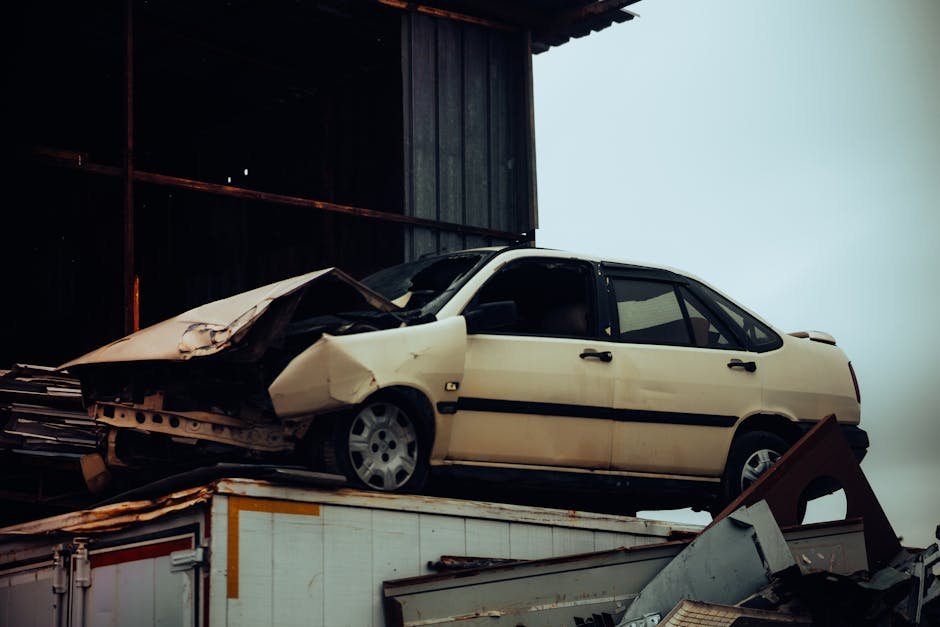

Understanding your Junk car scrap value is the first step toward turning a driveway eyesore into immediate cash. In the Australian market, the value of an end-of-life vehicle (ELV) is not just about the weight of the steel; it is a complex calculation involving recovered auto parts, precious metals, and high-grade alloys. Whether you are holding onto a rusted sedan or a damaged SUV, knowing the current market dynamics ensures you aren’t leaving money on the table. If you are wondering where can i sell my car for scrap near me, you need a partner who understands the nuances of local metal markets and logistics.
The Economics of Vehicle Recycling and Scrap Grades
When you sell a vehicle for scrap, you aren’t just selling a car; you are selling a collection of commodities. Professional car wreckers categorize these materials into specific grades. Ferrous metals, like the heavy steel frame, form the bulk of the weight, while non-ferrous metals—such as aluminium, copper wiring, and catalytic converters—often hold the highest value per kilogram. To understand how your vehicle’s components stack up against market rates, review our Sell Car Scrap For Parts Vs Whole Value Comparison 2026 Guide. This resource helps you decide whether to strip the vehicle or sell it as a complete unit for processing.
Beyond the steel, modern vehicles contain high-value components. For instance, if you are stripping a high-end vehicle, you might encounter specialty materials. It is helpful to understand the Titanium Scrap Price How To Get The Best Value For Your Titanium before you finalize your scrap deal. Every component, from the lead-acid battery to the aluminium engine block, contributes to your total Junk car scrap value. By treating your vehicle as a resource rather than trash, you align yourself with the circular economy, ensuring that raw materials are returned to the manufacturing supply chain.
Maximizing Your Return: Strategies for Success
To get the most cash for your vehicle, you must look at the bigger picture. The price per ton fluctuates based on global demand, so timing matters. If you are preparing to sell, consult our guide on Scrap Metal Per Ton How To Maximize Value From Your Scrap to align your sale with peak market conditions. Additionally, businesses often need to account for scrap value in depreciation meaning to optimize their tax position when retiring fleet vehicles. By understanding these financial levers, you move from being a casual seller to an informed trader.
When you work with a reputable Australian scrap metal platform, you benefit from transparent pricing and professional handling. We simplify the process of vehicle recycling by taking care of the logistics, environmental compliance, and final processing. Our professional scrap trading services ensure that every ELV is handled according to strict environmental standards, preventing hazardous fluids like oil, coolant, and brake fluid from contaminating the soil. This professional approach is not only better for the planet but also ensures you receive the maximum payout for your scrap.
Environmental Benefits and the ELV Lifecycle
Vehicle recycling is a cornerstone of sustainable manufacturing. By recycling an end-of-life vehicle, we drastically reduce the need for virgin ore extraction, which is energy-intensive and environmentally damaging. When you recycle your car, you contribute to a system that recovers up to 95% of a vehicle’s material content. This includes:
- Steel and Iron: Recycled for use in new construction and automotive manufacturing.
- Aluminium: Recovered from engine blocks and wheels, saving 95% of the energy required for primary production.
- Copper: Extracted from wiring harnesses and electrical components.
- Fluids and Hazardous Materials: Safely drained and treated to prevent groundwater contamination.
- Plastics and Glass: Processed for secondary industrial applications.
The Junk car scrap value you receive is effectively a reward for participating in this vital environmental cycle. As global demand for recycled metals increases, the importance of efficient ELV processing becomes even more critical. Choosing a certified recycler ensures your car doesn’t end up in a landfill, but rather serves as the foundation for future innovation. When you are ready to act, do not wait for the vehicle to deteriorate further. The longer an ELV sits, the more likely it is to suffer from corrosion, which can degrade the quality of the reclaimable metal and lower your overall return. Take control of your assets today by contacting a licensed facility that prioritizes efficiency and fair market valuation.
If you have multiple vehicles or a large volume of scrap, our team can provide tailored solutions to maximize your logistics and profit margins. We pride ourselves on offering competitive rates that reflect the current market reality, ensuring that you get paid promptly and fairly. Stop letting your scrap vehicles occupy valuable space on your property. Turn them into liquid capital by engaging with experts who know exactly how to extract the full value from every component. Your decision to recycle is a smart financial move and a responsible environmental choice that supports the Australian circular economy. Contact us today to get a quote and schedule your pickup.
Frequently Asked Questions
What factors influence junk car scrap value?
The primary factors include the vehicle’s total weight, the current market price for ferrous and non-ferrous metals, and the availability of salvageable auto parts.
Is it better to sell my car for parts or as scrap?
Selling for parts can yield a higher return if you have the time and expertise to dismantle the vehicle, whereas selling as scrap is faster and provides immediate, hassle-free payment.
How does vehicle recycling help the environment?
Vehicle recycling reduces the need for raw material extraction, saves significant energy, and ensures that hazardous fluids and materials are disposed of safely rather than leaking into the environment.
What happens to the car after I sell it for scrap?
The car is drained of all hazardous fluids, stripped of valuable components, and the remaining metal frame is crushed and shredded for recycling into new steel and metal products.