
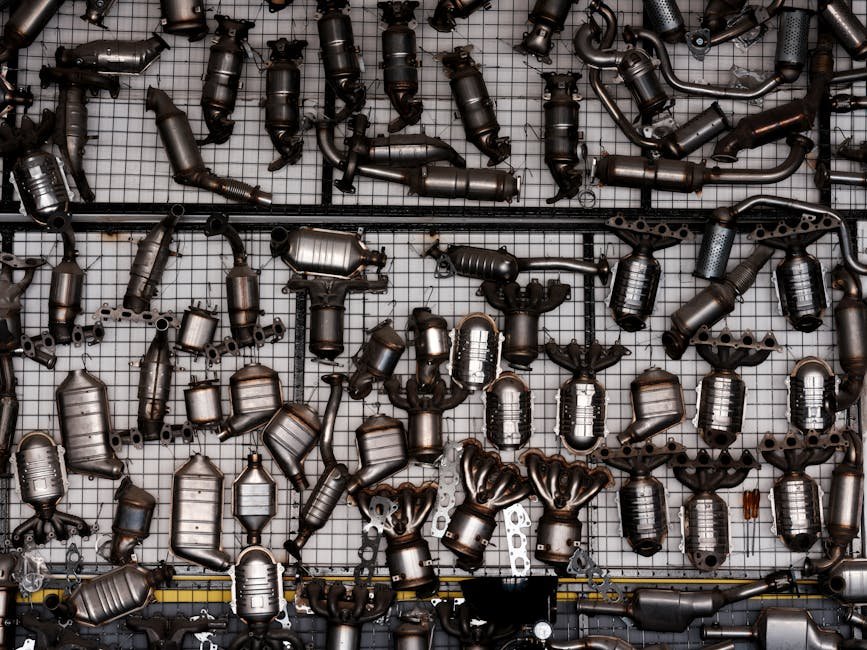

If you are looking to liquidate your inventory, identifying the most valuable catalytic converters to scrap is the fastest way to increase your bottom line. These components are not just automotive waste; they are high-density storage units for precious metals. Because the market for these components fluctuates based on global commodity prices, you need a partner who understands the nuance of metal recovery. Whether you are an individual collector or a workshop owner, knowing which units command the highest premiums is essential for maximizing your profit margins. Understanding the most valuable catalytic converters to scrap requires a deep dive into the chemical composition of the honeycomb substrate inside the unit.
Understanding Precious Metal Loading in Converters
The internal honeycomb structure of a cat converter is coated with a washcoat containing a mixture of platinum group metals (PGMs). These include platinum, palladium, and rhodium. These metals act as catalysts to convert toxic exhaust gases into less harmful substances. From a scrap perspective, these metals are the primary drivers of value. Rhodium, in particular, has seen massive price volatility, making units from specific vehicle models significantly more profitable than others.
To ensure you are getting a fair market valuation, it is critical to use professional grading tools. You can learn more about the industry standards by reviewing our Sell Platinum Scrap Jewelry Catalytic Converters Industrial 2026 Guide. When you are ready to move your inventory, understanding the grading process is non-negotiable. Many sellers lose money by failing to categorize their units correctly based on the manufacturer and the specific vehicle emission standards. If you are serious about your returns, you must prioritize units with high-density ceramic substrates and avoid those with damaged or missing honeycombs, as these will significantly lower your payout.
How to Maximize Profit When Recycling
Maximizing profit in this industry is about more than just quantity; it is about precision. You need to verify the serial numbers on every unit you handle. Manufacturers often change the metal loading mid-production, meaning two units that look identical externally might have vastly different internal compositions. For expert insights on how to handle your inventory, consult the Ecotrade Group Catalytic Converters database to verify your specific part numbers.
When you are preparing your stock, follow these best practices to ensure you are getting the best price for your catalytic converters scrap:
- Keep it clean: Remove excess piping and rust to ensure accurate weight measurements.
- Verify serial numbers: Use a reputable scrap metal trading platform in Australia to cross-reference your unit IDs.
- Avoid tampering: Never remove the honeycomb substrate yourself; you will lose precious metal dust and decrease the value of the unit.
- Consolidate shipments: Shipping larger volumes reduces logistics costs, directly increasing your net profit.
- Stay informed: Follow the Selling Catalytic Converters How To Maximize Your Profit Safely guide to ensure you are compliant with local regulations and secure in your transactions.
By following these steps, you position yourself to capture the highest market value for your inventory. When you have a collection ready, look for scrap catalytic converters for sale listings to benchmark your own pricing against current market trends. Always prioritize transparency and verified assays to protect your investment.
Environmental Impact and Industry Sustainability
Recycling is the backbone of the PGM supply chain. Because these metals are rare and difficult to mine, recycling existing units is the most sustainable way to secure the materials needed for new vehicle production. When you recycle with a professional facility, you are participating in a circular economy that significantly reduces the carbon footprint associated with primary mining. By recovering palladium and platinum from end-of-life vehicles, we reduce the need for destructive open-pit mining operations. This process is not just a financial transaction; it is a vital service to the environment. Choosing to sell your most valuable catalytic converters to scrap to a reputable recycler ensures that these precious materials are extracted safely and efficiently, preventing toxic waste from entering landfills and protecting our soil and water systems. As global demand for greener automotive technology grows, the efficiency of our recycling processes will become even more critical to the global economy.
To get started today, visit our official scrap trading portal to get a quote on your current inventory. Don’t let your valuable assets sit in a warehouse gathering dust. Turn your scrap into cash now by leveraging our real-time market data and professional processing services. Contact our team to schedule your pickup or drop-off and start maximizing your returns immediately.
Frequently Asked Questions
What makes a catalytic converter valuable?
The value is determined by the amount of platinum group metals—platinum, palladium, and rhodium—contained within the ceramic honeycomb substrate. Units from luxury or high-performance vehicles typically contain higher concentrations of these precious metals.
How do I determine the value of my scrap converter?
You should identify the serial number stamped on the converter’s shell. This number allows you to look up the specific metal content and current market value using a professional catalytic converter grading database.
Why is it important to recycle catalytic converters?
Recycling converters is essential for recovering rare precious metals that are expensive and environmentally damaging to mine. It supports a circular economy and ensures that hazardous waste is processed in an environmentally compliant manner.
Can I remove the honeycomb myself to save weight?
No, you should never remove or damage the ceramic substrate. Extracting the material yourself usually results in significant loss of precious metal dust, which drastically reduces the overall value of the unit.