

Understanding the price of scrap steel today is essential for anyone involved in industrial, construction, or domestic waste management. Whether you are a demolition contractor clearing a site or a homeowner with a pile of rusted metal, knowing the market value per kg ensures you receive a fair return for your ferrous metal assets. The Australian scrap market is a complex ecosystem influenced by international trade, domestic infrastructure projects, and the global demand for recycled raw materials. If you are looking to understand the mechanics behind these valuations, our Scrap Steel Price Per Kg A Complete Guide For Sellers provides the foundational knowledge required to navigate the industry. By tracking the Steel Scrap Price Today: Current Market Value and Trends, you can time your sales to align with peak market cycles, effectively turning waste into a reliable revenue stream.
How Global Markets Influence the Price of Scrap Steel Today
The Australian scrap steel market does not operate in a vacuum; it is a vital cog in the global supply chain. The price of scrap steel today is primarily dictated by the London Metal Exchange (LME) and regional demand from major steel-producing nations like China, South Korea, and Japan. When global steel prices rise, Australian scrap yards can offer better rates because the export value of processed scrap increases. Conversely, when global demand slows, local yards may lower their buy prices to account for higher inventory holding costs and lower profit margins on exported containers.
Domestic factors also play a critical role. Australia’s infrastructure spending, such as road construction, rail expansion, and high-density residential development, generates significant amounts of scrap steel. When large-scale projects are active, the volume of scrap entering the market increases, which can sometimes exert downward pressure on prices due to oversupply. However, this is often offset by the high cost of logistics, including transport, shearing, and sorting. To stay ahead of these fluctuations, professional traders often consult local resources like Australian metal recycling experts to gauge real-time shifts in supply and demand.
Furthermore, the strength of the Australian Dollar (AUD) against the US Dollar (USD) significantly impacts the bottom line. Since most international steel contracts are denominated in USD, a weaker Australian dollar makes our scrap more attractive to overseas buyers, potentially driving up the local price per kg. Traders must monitor these currency movements alongside commodity indices to predict short-term price volatility. For those dealing in higher-value alloys, it is also worth noting how these trends correlate with other metals, such as the Stainless Steel Scrap Price, which often follows different market drivers based on nickel and chromium content.
Understanding Steel Grades and Their Market Value
Not all steel is created equal, and understanding the classification of ferrous metal is the most effective way to ensure you are paid correctly. The price of scrap steel today is heavily dependent on the purity and type of steel being sold. The most common form is mild steel, which is widely used in construction and automotive manufacturing. Mild steel is typically classified as ‘heavy melting steel’ (HMS) or ‘light gauge’ depending on its thickness and density. HMS is highly prized by steel mills because it is dense and requires less energy to melt down for recycling.
Grades are typically categorized by the presence of contaminants. Clean steel, which is free of plastic, rubber, wood, or non-ferrous metals like copper or brass, will always fetch a higher price. Contaminated scrap requires significant labor to sort and clean, which the scrap yard will deduct from the final payout. If you are cleaning out a workshop, separating your mild steel from other materials can significantly increase your total return. It is also important to distinguish between carbon steel and alloyed steels. High-strength alloys often contain elements like manganese or molybdenum, which may make them more valuable to specialized foundries, though they are often harder to process.
In addition to standard ferrous scrap, you should be aware of how other materials impact your overall site cleanup. For example, while you are sorting your steel, you may encounter non-ferrous metals that have vastly different market dynamics. Monitoring the Aluminum Scrap Price In 2026 projections can help you plan your long-term storage and selling strategy for mixed-metal loads. By understanding the specific requirements of your local scrap merchant—such as whether they prefer sheared lengths or crushed bales—you can optimize your preparation process to maximize the value per kg.
The Recycling Process: From Scrap to New Steel
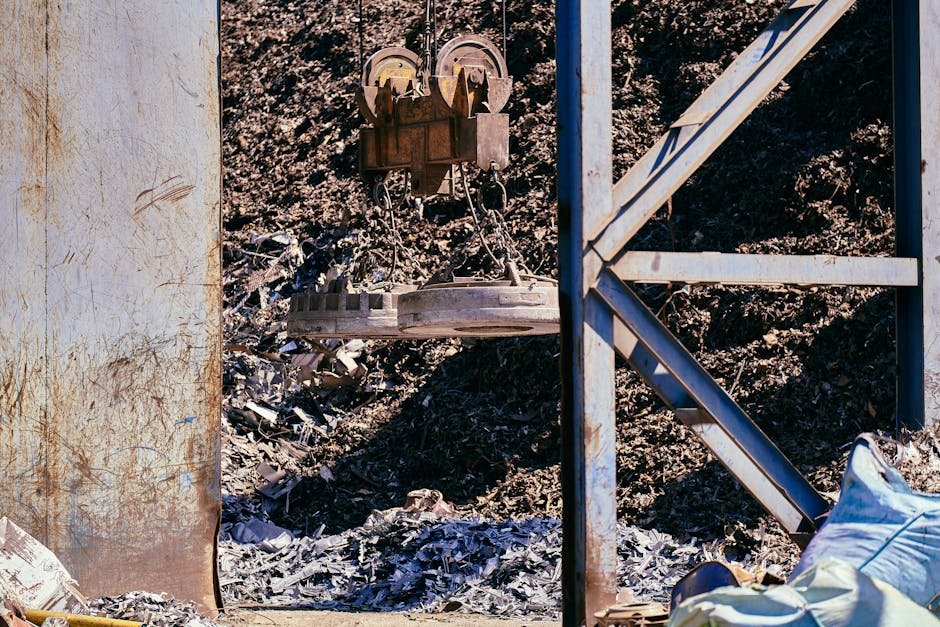
The journey of scrap steel from a demolition site to a new product is a testament to the efficiency of the circular economy. Once the scrap reaches a facility, it undergoes a rigorous process of sorting, shredding, and melting. The first step is identification, where magnets are used to separate ferrous materials from non-ferrous metals. Advanced facilities now use X-ray fluorescence (XRF) analyzers to determine the exact chemical composition of the metal, ensuring that the resulting furnace feed meets the strict specifications of steel mills.
After sorting, the steel is often shredded into smaller, uniform pieces. This increases the surface-area-to-volume ratio, allowing for faster melting in an electric arc furnace (EAF). The EAF is the heart of modern steel recycling, utilizing high-voltage electricity to melt down scrap steel at temperatures exceeding 1,600 degrees Celsius. This process is significantly more energy-efficient than producing virgin steel from iron ore, as it bypasses the need for blast furnaces and the heavy carbon footprint associated with mining and refining raw ore.
Once melted, the molten steel is refined to remove impurities and adjusted for the desired chemical composition. It is then cast into billets, blooms, or slabs, which are eventually rolled into new construction beams, reinforcing bar (rebar), or sheet metal. This closed-loop system allows steel to be recycled indefinitely without losing its structural integrity. By choosing to recycle your scrap through professional recycling networks, you are contributing to a sustainable supply chain that reduces the need for environmentally damaging mining operations and lowers the energy consumption of the global manufacturing sector.
Environmental Benefits and Economic Sustainability
The environmental case for recycling steel is overwhelming. Every tonne of scrap steel recycled saves approximately 1.5 tonnes of iron ore, 0.5 tonnes of coal, and 40% of the water typically required for virgin steel production. Furthermore, recycling steel reduces greenhouse gas emissions by up to 75% compared to primary production. For Australian businesses, this is not just an environmental win—it is a critical component of corporate social responsibility (CSR) and ESG (Environmental, Social, and Governance) reporting.
From an economic perspective, the scrap metal industry is a major contributor to the Australian economy, supporting thousands of jobs in logistics, processing, and manufacturing. By participating in the market, you are supporting a local industry that keeps raw materials within the domestic supply chain, reducing our reliance on expensive imports. The price of scrap steel today reflects the true cost of these environmental and economic benefits. When you sell your scrap, you are essentially participating in a global commodity market that values efficiency, sustainability, and resource recovery.
To truly maximize your impact, consider implementing a site-wide waste management plan. By training staff to segregate metals at the source, you reduce the risk of cross-contamination and ensure that your scrap is of the highest possible grade. This proactive approach not only increases your payout but also streamlines your site operations, reduces waste disposal fees, and demonstrates a commitment to sustainable practices. As the world moves toward a net-zero future, the demand for high-quality, recycled steel will only continue to grow, ensuring that the scrap metal industry remains a cornerstone of the modern economy for decades to come.
Practical Tips for Sellers: Maximizing Your Return
To get the best price for your scrap, preparation is everything. Start by contacting your local yard to ask about their specific requirements. Some yards offer better rates for large volumes or for material that has been pre-sorted. If you are a regular supplier, ask about ‘commercial’ rates, which are often higher than the ‘public’ rates offered to walk-in customers. Always ensure your scrap is free of hazardous materials, such as gas cylinders, sealed containers, or radioactive components, as these can lead to significant fines or rejection of your load.
Keep accurate records of your scrap sales. Tracking the price of scrap steel today over several months will help you identify seasonal trends. For instance, prices often dip during the end-of-year holiday period when factories shut down and demand slows, and they may peak in the early spring as construction projects ramp up. By timing your larger sales to coincide with these market highs, you can significantly improve your annual returns. Always use a reputable yard that uses calibrated scales and provides clear, itemized dockets for every transaction.
Finally, consider the logistics of transport. If you have a large quantity of scrap, the cost of hiring a skip bin or a truck may be offset by the higher volume price you receive. Calculate your net profit by subtracting transport costs from the total value of the scrap. In some cases, it may be more profitable to store your scrap until you have a full truckload, rather than making multiple small trips. By treating your scrap metal as a valuable commodity rather than just ‘rubbish,’ you shift your mindset from a cost-center to a profit-center, turning your industrial byproduct into a consistent revenue stream.
Frequently Asked Questions
What factors cause the price of scrap steel today to fluctuate?
Prices are primarily driven by global supply and demand for steel, currency exchange rates, and the cost of energy and logistics. Local factors like domestic construction activity and the specific grade of the steel also play a significant role in determining the final price per kg.
How can I ensure I am getting the best price for my scrap steel?
You can maximize your returns by pre-sorting your scrap to remove contaminants, keeping it clean, and selling in larger volumes to take advantage of commercial rates. Always compare quotes from multiple reputable scrap yards and track market trends to sell during peak demand periods.
Is there a difference between mild steel and other types of scrap?
Yes, mild steel is a standard ferrous metal, but its value depends on its thickness, density, and purity. Other metals like stainless steel or non-ferrous metals have distinct market values that are often higher than standard mild steel due to their alloy content and specialized recycling processes.
Why is recycling steel considered better for the environment?
Recycling steel significantly reduces the need for mining raw iron ore and coal, which saves massive amounts of energy and water. It also lowers greenhouse gas emissions by up to 75% compared to the production of virgin steel, making it a vital part of a sustainable circular economy.