
Understanding the recycled copper price is essential for anyone looking to turn their scrap metal into a profitable venture. Whether you are a professional electrician, a demolition contractor, or a homeowner clearing out a shed, knowing the value of your materials is the first step toward maximizing your returns. In the Australian market, the value of scrap is not static; it is a dynamic figure influenced by international trade, supply chain logistics, and the specific quality of the metal you bring to the yard.
Understanding the Global Market and Current Scrap Prices
The recycled copper price is primarily dictated by the London Metal Exchange (LME). As copper is a globally traded commodity, its value is pegged to international demand, particularly from manufacturing powerhouses in Asia and Europe. When you check metal prices today, you are seeing a snapshot of a complex financial ecosystem. Several factors influence these fluctuations, including the strength of the Australian Dollar (AUD) against the US Dollar (USD), mining output levels, and geopolitical stability. Because copper is a critical component in electrical infrastructure, renewable energy technology, and construction, its price often serves as a barometer for the global economy.
For those looking to trade, it is vital to distinguish between spot prices and the actual payout you receive at a yard. Processing costs, transportation, and refining overheads mean that the price paid to a scrap collector is lower than the LME benchmark. To ensure you are getting a fair deal, it is important to research the best scrap metal recycling services in Australia. Being informed about current market trends allows you to time your sales when the market is peaking, rather than selling during a slump.
The Importance of Grading: From Bare Bright to Number 2 Copper
One of the most critical factors determining your final payout is the grading of your material. Not all copper is created equal. Scrap yards categorize copper based on purity, level of oxidation, and the presence of attachments like plastic insulation or solder. To get the best results, you need to understand the hierarchy of scrap.
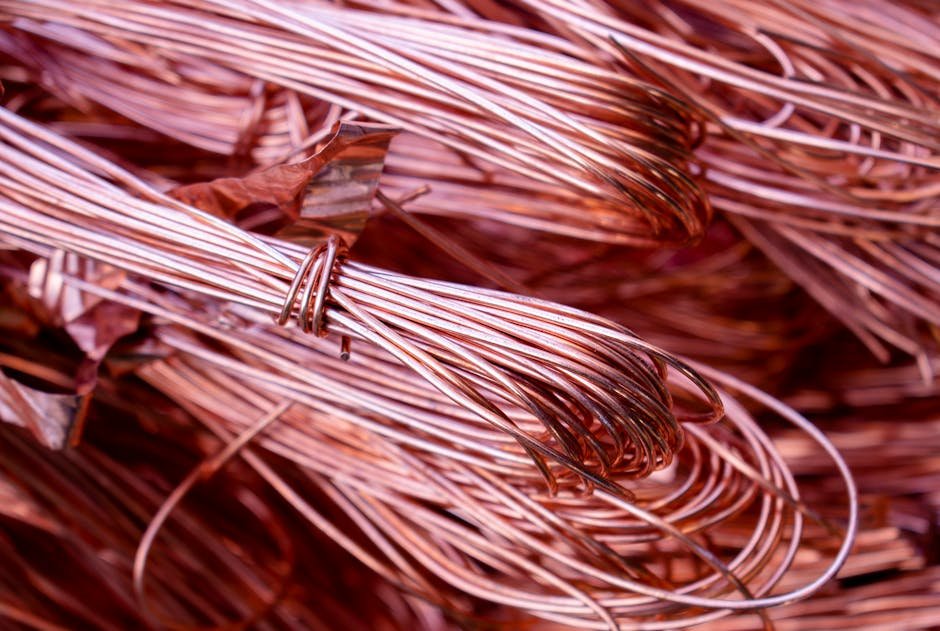
- Bare Bright Copper: This is the gold standard. It consists of unalloyed, uncoated, and unoxidized copper wire, typically 16 gauge or thicker. It must be free of any paint, varnish, or insulation. Because it requires minimal processing, it commands the highest price.
- Number 1 Copper: Similar to bare bright, this may include clean copper pipe or bus bars that are free of fittings, solder, and oxidation. It is slightly less valuable than bare bright but still highly sought after.
- Number 2 Copper: This category includes copper that has some level of oxidation, paint, or minor contamination. It may include wire that has been burnt or pipes that still have sweat fittings attached. You can learn more about the price for dirty copper to understand how these deductions work in practice.
- Insulated Copper Wire: This is copper that still has its plastic or rubber coating. The value is calculated based on the “recovery rate”—the estimated percentage of pure copper inside the insulation.
If you are looking to refine your collection strategy, check out our guide on how to Sell Copper How To Get The Best Price For Copper Scrap. Taking the time to strip insulation from your Scrap Copper can significantly increase your profit margins, though you should always consider the time investment required for stripping versus the increase in the price of stripped copper.
The Recycling Process: From Scrap Yard to Commodity
The journey of recycled copper is a fascinating example of the circular economy. Once you drop off your scrap, it undergoes a rigorous sorting process. Automated systems and manual labor work in tandem to separate copper from other metals like aluminum, steel, and brass. High-tech equipment, such as X-ray fluorescence (XRF) analyzers, is often used to verify the purity of the metal.
After sorting, the copper is shredded into smaller pieces to remove remaining insulation or contaminants. These pieces are then melted in high-temperature furnaces. The molten copper is refined to remove impurities and cast into ingots or billets. These ingots are then sold back to manufacturers to be drawn into new copper wire or copper pipe. This process uses up to 85% less energy than mining and refining virgin copper ore, making recycling a cornerstone of sustainable industrial practice.
Drop-off vs. Pickup: Logistics and Convenience
For commercial operators and large-scale demolition projects, logistics play a major role in the overall value of the scrap. Many scrap yards offer pickup services for large volumes of metal. While convenient, this service often comes with a fee or a reduction in the per-kilogram price to cover transport costs. If you have a smaller amount of scrap, dropping it off yourself at a local yard is almost always the most profitable route.
When planning your logistics, consider the weight of your material. Copper is dense and heavy; ensure your vehicle is rated for the load. Furthermore, always call ahead to confirm the yard’s operating hours and whether they require an appointment for large commercial drop-offs. Being prepared ensures a smooth transaction and faster payment.
Environmental Impact and the Future of Copper
The environmental case for recycling copper is undeniable. Copper is a 100% recyclable material that loses none of its properties during the recycling process. By keeping copper out of landfills, we prevent heavy metals from leaching into the soil and groundwater. Moreover, the reduction in energy consumption associated with recycling directly translates to a lower carbon footprint for the manufacturing sector.
As the world transitions toward electric vehicles (EVs) and renewable energy grids, the demand for copper is expected to skyrocket. EVs require significantly more copper for their motors and batteries than internal combustion engine vehicles. This long-term demand growth suggests that the recycled copper price will remain a critical focus for both investors and recyclers for decades to come.
Practical Tips for Maximizing Your Scrap Returns
To truly master the art of scrap trading, you need to be strategic. Here are several expert tips to ensure you are getting the most for your efforts:
- Keep it Clean: The cleaner your load, the higher the grade. Remove plastic, wood, and steel attachments whenever possible.
- Separate by Grade: Never mix your high-grade copper with dirty, low-grade scrap. Mixing them will result in the entire batch being valued at the lowest common denominator.
- Stay Informed: Follow the market. If you know that copper prices are trending upward, it might be worth holding onto your stash for a few weeks.
- Build Relationships: If you are a consistent supplier, talk to the yard manager. Many yards offer better rates to regular clients who bring in clean, sorted material.
- Safety First: Scrap metal can be sharp and heavy. Always wear appropriate PPE, including gloves and steel-toed boots, when handling and transporting your materials.
By following these best practices, you move from being a casual seller to a savvy participant in the metal recycling market. Remember that the goal is to optimize the value of every kilogram you bring to the scale.
The Role of Technology in Modern Scrap Trading
The scrap industry has evolved significantly from the days of simple scales and handwritten ledgers. Today, modern scrap yards utilize digital, certified scales that provide accurate weight readouts, ensuring transparency in every transaction. Many platforms now offer real-time pricing updates via mobile apps, allowing sellers to check current rates before leaving their job site.
Furthermore, digital documentation has made the process of selling scrap more secure and compliant with environmental regulations. When you sell to a reputable yard, you can expect a professional receipt that details the weight, grade, and price of each item. This level of professionalism is what distinguishes top-tier recycling facilities from backyard operations. Always prioritize yards that are transparent about their pricing and provide clear, itemized records of your transactions.
Navigating Market Volatility
Market volatility is the biggest challenge for any scrap trader. A sudden dip in the global economy can cause copper prices to drop overnight. However, it is important to remember that copper is a foundational material for modern society. It is the “metal of electrification.” Even when prices fluctuate, the underlying demand for copper remains robust. For the average recycler, the best strategy is to avoid trying to time the market perfectly. Instead, focus on consistent collection and regular sales. Over time, the highs and lows will average out, providing a reliable stream of income from what would otherwise be considered waste.
Conclusion: Turning Waste into Wealth
The market for recycled copper is a vital component of the Australian economy, bridging the gap between waste management and industrial manufacturing. By understanding the factors that influence the recycled copper price, mastering the art of grading, and choosing the right partners for your recycling needs, you can turn your scrap into a significant financial asset. Whether you are dealing with a small bucket of offcuts or a massive load from a commercial demolition, the principles of quality, sorting, and market awareness remain the same. Start by identifying a reputable local yard, keep your materials clean, and stay informed on global market trends. The future of copper is bright, and by participating in the recycling loop, you are contributing to a more sustainable and resource-efficient world.
Frequently Asked Questions
What is the most valuable type of scrap copper?
Bare bright copper is the most valuable grade. It consists of clean, unoxidized, and uncoated copper wire that is free from any insulation or impurities.
How often do scrap metal prices change?
Scrap metal prices fluctuate daily based on global market movements, primarily the London Metal Exchange. Factors like currency exchange rates and local supply and demand also play a role.
Should I strip insulation off copper wire before selling it?
Yes, if you have the time and tools, stripping copper wire significantly increases its value. However, ensure the labor cost of stripping doesn’t outweigh the price difference between insulated and bare copper.
Why is ‘dirty’ copper worth less?
Dirty copper contains contaminants like solder, paint, or plastic, which must be removed during the refining process. Because this requires extra energy and labor, scrap yards pay less for these materials.