
Navigating the volatile landscape of the recycled steel price requires a deep understanding of how global industrial demand intersects with local Australian supply chains. As a primary component of the circular economy, steel recycling is not merely a waste management strategy but a sophisticated commodities market. Whether you are a construction firm managing site waste or an individual looking to clear out heavy metal assets, knowing the value of your materials is essential for maximizing financial returns and environmental impact.
Understanding the Drivers of Current Scrap Steel Prices
The recycled steel price is rarely static. It is influenced by a complex web of economic indicators, including iron ore futures, energy costs, and the global demand for new steel production. In Australia, the market is heavily influenced by export demand from major manufacturing hubs in Asia, as well as domestic infrastructure requirements. When you look at current price of recycled steel, you are essentially looking at a snapshot of a global supply chain.
Ferrous metal, which includes iron and steel, is the most recycled material on the planet. Because steel can be melted down and reformed infinitely without losing its structural integrity, it is highly prized. However, the exact recycled steel price you receive depends on the quality and preparation of your scrap. Clean, sorted, and processed steel will always command a higher value than mixed, contaminated waste. Understanding the difference between mild steel, structural beams, and thin sheet metal is the first step in becoming a savvy seller. For a deeper dive into the valuation mechanics, refer to our Scrap Steel Price Per Kg A Complete Guide For Sellers.
How Prices Are Set: From Commodity Markets to Your Yard
Metal prices today are determined by the London Metal Exchange (LME) and regional benchmarks. However, the price at the gate of a recycling facility is adjusted for local logistics. If you are curious about how these figures translate to your bottom line, consider the price of recycled steel per ton, which serves as the wholesale baseline. From there, scrap yards deduct the costs of transportation, processing (shearing, shredding, and torching), and the inherent risk of market fluctuations.
Factors that impact your payout include:
- Grade and Purity: High-density, clean steel is easier to process. Contaminants like rubber, plastic, or concrete significantly lower the value.
- Volume and Weight: Economies of scale apply. Larger loads often qualify for better pricing tiers because they reduce the per-unit cost of logistics.
- Logistics: Whether you drop off your scrap or require a pickup service will influence the net return.
- Global Demand: When steel mills are operating at full capacity, demand for scrap increases, driving up prices.
By keeping an eye on professional metal recycling services, you can time your sales to align with market peaks. It is also worth noting that other metals follow different cycles; for instance, you might want to compare your steel returns with the Aluminum Scrap Price In 2026 to ensure you are optimizing your entire waste stream.
The Steel Recycling Process: Turning Waste into Resource
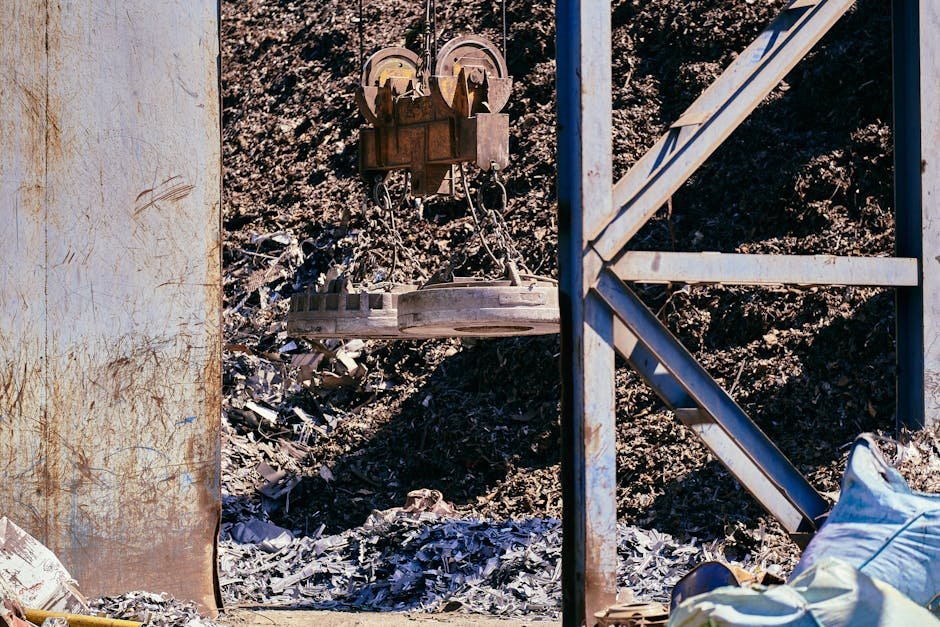
The journey from scrap to new steel is a marvel of industrial engineering. Once ferrous metal arrives at a facility, it undergoes a rigorous sorting process. Magnetic separators are used to distinguish ferrous materials from non-ferrous metals like copper or aluminum. Once sorted, the steel is processed through heavy-duty shredders or hydraulic shears to reduce it to a manageable size.
This processed scrap is then sent to electric arc furnaces (EAFs). Unlike traditional blast furnaces that rely on iron ore and coal, EAFs use electricity to melt down recycled steel. This process is significantly more energy-efficient and results in a much lower carbon footprint. By choosing to recycle, you are directly contributing to a reduction in mining activities and the preservation of natural resources. If you are dealing with higher-value alloys, you may want to check the Stainless Steel Scrap Price, as these materials require different processing techniques due to their chromium and nickel content.
Drop-off vs. Pickup: Logistics for Sellers
Choosing between dropping off your scrap and scheduling a pickup depends on the volume and nature of your material. For smaller quantities, dropping off at a certified yard is often the most cost-effective method. You avoid the logistics fees associated with a truck dispatch and can often receive immediate payment upon weighing.
For large-scale industrial projects, construction sites, or demolition clearances, professional pickup services are essential. These services provide skip bins and heavy-lifting equipment, ensuring that your scrap is handled safely and legally. When selecting a service provider, ensure they provide transparent weighing scales and documentation of the scrap grade, as this transparency is crucial for your financial reporting. You can find comprehensive resources for managing these logistics at our primary recycling hub, which offers tools for both commercial and residential sellers.
Environmental Impact and the Circular Economy
The environmental case for steel recycling is overwhelming. Producing steel from recycled scrap requires up to 75% less energy than producing it from virgin iron ore. Furthermore, it prevents massive amounts of waste from entering landfills and reduces the ecological destruction associated with open-cut mining. In Australia, the shift toward sustainable construction practices has made the recycling of steel a key metric for Green Star ratings and other environmental certifications.
By participating in the scrap market, you are not just liquidating assets; you are actively participating in a circular economy. Every kilogram of steel that is recovered and repurposed saves greenhouse gas emissions and reduces the demand for raw materials. This is why the industry is increasingly focused on “clean” recycling, where materials are sorted at the source to prevent cross-contamination, ensuring that the resulting recycled product is of the highest possible quality.
Advanced Tips for Maximizing Your Scrap Returns
To truly master the market, you must treat your scrap like a commodity. Start by segregating your metals. Mixing mild steel with heavy structural steel or light sheet metal can result in your entire load being downgraded to the lowest common denominator price. Keep your materials clean; removing heavy rust, dirt, and attached non-metal components will significantly increase your price per kg.
Furthermore, keep a record of your sales. By tracking the trends over several months, you can identify the seasonal peaks and troughs of the market. While you cannot control global commodity prices, you can control the quality of your supply and the timing of your sales. Always ask the yard for their current grading standards, as these can vary slightly between facilities based on their specific end-market contracts.
The Future of Steel Recycling in Australia
The Australian scrap industry is currently undergoing a digital transformation. From real-time pricing dashboards to automated weighing and reporting systems, the barrier to entry for sellers is lowering. As we look toward the next decade, the focus will shift toward higher-grade recycling, where specific alloys are separated with greater precision using advanced sensor technology. This will likely lead to a more nuanced pricing structure, rewarding those who can provide high-purity, sorted scrap streams.
For businesses, this means that waste management is no longer a cost center but a potential revenue stream. By integrating scrap management into your operational workflow, you can offset disposal costs and demonstrate a commitment to sustainability that is increasingly demanded by clients and regulators alike. Whether you are a small workshop or a large-scale construction firm, the principles remain the same: sort, clean, and sell at the right time.
Conclusion: Taking Action in the Scrap Market
The recycled steel price is a reflection of a global industry that is vital to our future. By understanding the factors that influence market value, the importance of proper sorting, and the logistics of transport, you can transform your scrap metal into a valuable asset. Whether you are looking for the latest price per kg or advice on how to manage a large-scale site clearance, the key is to work with reputable, transparent partners. Remember that every piece of steel you recycle helps close the loop on resource consumption, making it a win for both your wallet and the planet.
Stay informed, keep your materials sorted, and leverage the resources available to ensure you are getting the best possible value for your steel. As the market evolves, so too will the opportunities for those who understand the mechanics of the scrap trade. Keep monitoring the industry, stay ahead of the trends, and continue to prioritize the sustainable management of your metal waste.
Frequently Asked Questions
What is the best way to get the highest price for my scrap steel?
The best way to maximize your return is to sort your steel by grade, remove any non-metal contaminants like plastic or rubber, and ensure the material is clean. Selling in larger volumes often provides better leverage for pricing.
Does the price of steel change daily?
Yes, while the fluctuations for steel are generally less volatile than precious metals, the market price can change based on global supply, demand, and local economic conditions. It is best to check current rates before heading to the scrapyard.
Is there a difference in price between structural steel and sheet metal?
Yes, structural steel is often heavier and easier to process, which can sometimes result in a better price compared to light, thin sheet metal that may be more difficult to handle or melt down efficiently.
Why is it important to separate steel from other metals?
Separating metals ensures you receive the correct market rate for each material. Mixing metals can lead to the entire load being classified as ‘mixed scrap,’ which almost always results in a lower payout than if the metals were sorted individually.