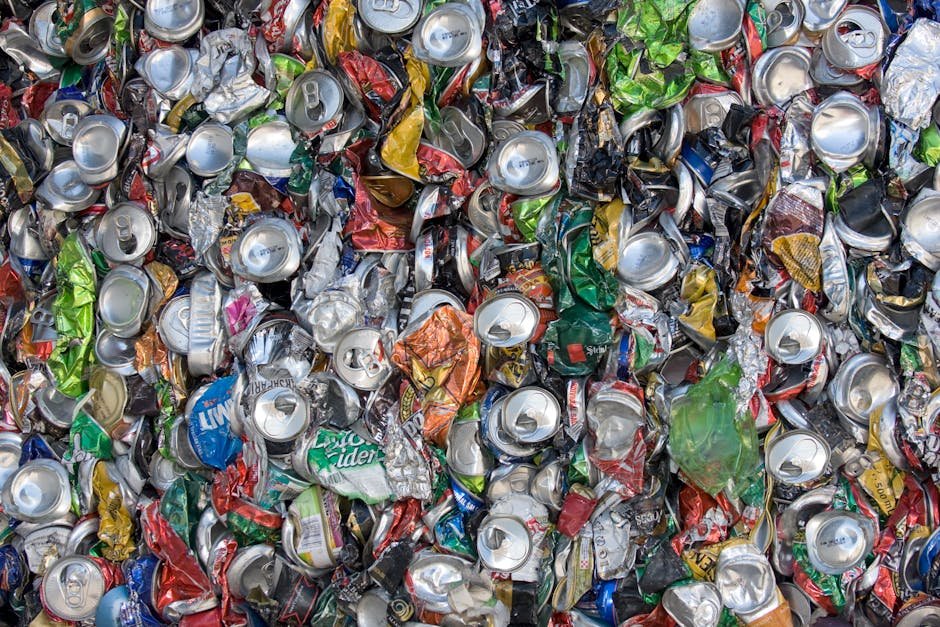

Scrap aluminum Sydney is a vital resource for Australia’s recycling economy, with diverse grades, efficient recycling processes, and significant environmental benefits. From household items like aluminum cans to industrial aluminum extrusions, understanding how to identify, recycle, and profit from aluminum scrap is essential for residents and businesses in New South Wales (NSW). This guide provides an in-depth look at the grades of scrap aluminum, the recycling process, and how scrap aluminum Sydney contributes to sustainability.
Grades of Scrap Aluminum in Sydney
Aluminum scrap in Sydney is categorized into grades based on purity, composition, and source. Common grades include:
- Aluminum Cans (Grade 3003): Widely recycled, these are used for new cans, automotive parts, and construction materials.
- Aluminum Extrusions (Grade 6061): Common in structural applications like window frames and furniture. Requires careful sorting to maintain quality.
- Sheet Aluminum (Grade 5052): Used in marine and transportation industries. Valued for corrosion resistance.
- Aluminum Alloys (Grades 1100-7075): Higher-purity alloys used in aerospace and electronics. Prices vary significantly.
Proper grading ensures optimal aluminum price for scrap buyers. For example, aluminum cans typically fetch lower prices than high-grade alloys due to their lower purity. Businesses in Greater Sydney should partner with certified recyclers to avoid contamination and maximize returns.
The Aluminum Recycling Process in Sydney
Recycling scrap aluminum Sydney involves several stages:
- Collection: Scrap is gathered from households, industrial facilities, and construction sites across NSW.
- Sorting: Grades are separated using optical sorters and manual checks. Contaminants like steel or plastic are removed.
- Shredding/Melting: Scrap is shredded and melted at ~660°C, consuming just 5% of the energy required to produce virgin aluminum.
- Casting & Reuse: Molten aluminum is cast into ingots or sheets for manufacturing new products.
Western Sydney’s industrial hubs, such as Penrith and Camden, have advanced facilities to process high volumes of scrap efficiently. The process reduces reliance on bauxite mining, preserving ecosystems in regions like the Murray-Darling Basin.
Environmental Benefits of Recycling Aluminum
Recycling scrap aluminum Sydney offers unparalleled environmental advantages:
- Energy Efficiency: Producing recycled aluminum uses 95% less energy than primary production.
- Landfill Reduction: NSW generates over 200,000 tonnes of aluminum waste annually; recycling diverts this from landfills.
- Carbon Footprint: Recycling reduces CO₂ emissions by ~10 kg per tonne of aluminum compared to mining.
For example, recycling one tonne of aluminum saves 14 barrels of oil and 4.5 tonnes of bauxite. This aligns with Australia’s 2030 National Waste Policy, which targets a 60% recycling rate for metals.
How to Source and Sell Aluminum Scrap in NSW
Whether you’re in Greater Sydney or regional NSW, here’s how to maximize your aluminum scrap profits:
- Source Material: Collect from construction sites, automotive workshops, and decommissioned appliances. Use ScrapTrade.com.au to connect with sellers.
- Sort by Grade: Separate aluminum extrusions and alloys to increase value. Contaminated scrap sells at a 20-30% discount.
- Track Prices: Monitor Aluminum Scrap Price In 2026 projections to time sales during market peaks.
- Sell in Bulk: Exporters in Western Sydney can use international selling guides to reach global buyers.
For small-scale sellers, platforms like ScrapTrade simplify transactions with instant quotes and transparent pricing. Always request a certificate of recycling to ensure compliance with NSW environmental laws.
Market Trends and Pricing for Aluminum Scrap in 2026
The aluminum price in Sydney is influenced by global demand, particularly in electric vehicle (EV) manufacturing and solar panel production. Key trends include:
- 2026 Forecast: Prices are projected to rise due to increased EV battery production in Australia.
- Local Demand: NSW’s construction boom drives demand for recycled aluminum extrusions in infrastructure projects.
- Export Opportunities: China and India remain top buyers, with 30% of Sydney’s scrap exported annually.
Businesses should diversify suppliers and lock in long-term contracts during market lulls. For detailed forecasts, see Aluminum Scrap Price In 2026.
Conclusion: The Future of Scrap Aluminum Recycling in Sydney
Scrap aluminum Sydney plays a critical role in Australia’s circular economy. By understanding grades, recycling processes, and market dynamics, individuals and businesses can contribute to sustainability while profiting. With NSW’s commitment to reducing waste and increasing recycling rates, the demand for high-quality aluminum scrap will only grow.
For those looking to enter the market, platforms like ScrapTrade and ScrapTrade.com.au provide tools to streamline sourcing, pricing, and sales. Whether you’re recycling aluminum cans or industrial aluminum extrusions, every tonne saved from landfills strengthens Sydney’s green economy.
Related: What Scrap Trade Actually Is
Related: scrap metal sydney
Related: aluminum scrap
Frequently Asked Questions
What are the most common grades of aluminum scrap in Sydney?
The most common grades include 3003 (aluminum cans), 6061 (extrusions), and 5052 (sheet aluminum). Each grade has distinct uses and recycling values.
How does recycling aluminum benefit the environment?
Recycling saves 95% of the energy needed to produce new aluminum, reduces landfill waste, and lowers carbon emissions by 10 kg per tonne compared to mining.
What is the current price for aluminum scrap in NSW?
Prices vary by grade, but 2026 projections suggest a 10-15% increase due to demand from EV and construction sectors. Check Aluminum Scrap Price In 2026 for forecasts.
How can businesses in Western Sydney recycle aluminum efficiently?
Partner with certified recyclers, sort grades carefully, and use platforms like ScrapTrade for transparent pricing and bulk-selling opportunities.