
Navigating the volatile landscape of the recycling industry requires a deep understanding of how the scrap battery price per kg is determined. For businesses and individuals looking to offload large volumes of lead acid battery units, staying informed about market fluctuations is essential for maximizing returns. As global demand for secondary raw materials grows, the financial incentive for proper recycling has never been higher, turning what was once considered waste into a valuable commodity.
Understanding the Market: How Scrap Battery Prices Are Set
The pricing structure for scrap batteries is rarely static. It is tethered to the London Metal Exchange (LME) lead prices, which serve as the global benchmark. When you inquire about the scrap battery price per kg, you are essentially asking for the value of the lead content trapped within the battery. Because lead is a highly traded commodity, its value changes daily. When global industrial demand for new lead-acid batteries rises, the price paid for scrap also trends upward.
Beyond the LME, local logistics play a massive role. Transporting hazardous materials like lead-acid batteries requires specialized handling, which impacts the final payout. Dealers must account for the costs of compliant transport, storage, and the energy-intensive smelting process. If you are tracking broader market trends, it is helpful to consult our Scrap Price Forecast Guide to see how macroeconomic factors influence these base metal values.
Factors Affecting the Cost of Scrap Batteries
Several variables contribute to the final quote you receive at a recycling yard. First and foremost is the weight and volume of the batch. Larger quantities often command a higher price per unit because they reduce the overhead costs associated with collection and processing. Secondly, the condition of the battery matters; cracked or leaking casings may be rejected or incur a cleaning fee due to the environmental hazard they pose.
Geographic location is another significant factor. A facility located near a major smelting plant will often offer a more competitive rate than a remote collection point, simply because the logistics are streamlined. Furthermore, the scrap battery price per kg is heavily influenced by the current metal prices today. If you are comparing these rates against other materials, you might find it useful to check the Aluminum Scrap Price In 2026 or current data on Stainless Steel Scrap Price to understand how different metal markets correlate.
Grades of Scrap: What Are You Selling?
Not all scrap batteries are created equal. The most common type encountered in the Australian market is the automotive lead-acid battery. These are prized for their high lead plate content. However, there are also industrial-grade batteries, such as those used in forklifts or telecommunications backup systems, which contain significantly more lead and are valued differently.
When you bring your scrap to a professional recycler, they will grade the batteries based on their chemical composition and potential lead yield. Understanding the distinction between a standard car battery and a specialized deep-cycle battery can help you negotiate better rates. For those interested in how other materials are graded and valued, our platform provides extensive data on the price of scrap aluminum per kg. Always ensure you are classifying your materials correctly to ensure you are receiving the best market rate for your specific grade.
The Process: How Battery Recycling Works
The recycling process is a marvel of modern industrial engineering. Once a battery is collected, it is transported to a specialized facility where it is crushed in a hammer mill. This process breaks the battery into small pieces, separating the internal components. The heavy lead plates sink to the bottom, while the plastic casing floats to the top.
The plastic is washed and sent to a recycler to be turned into new battery cases, creating a closed-loop system. The lead plates are cleaned and melted down in massive furnaces. This molten lead is then refined and cast into ingots, which are sold back to manufacturers to create new batteries. This cycle is incredibly efficient, with over 98% of a lead-acid battery being recyclable. By choosing to recycle, you are actively participating in the circular economy, reducing the need for destructive lead mining.
Environmental Benefits of Professional Recycling
Batteries are classified as hazardous waste due to their lead and sulfuric acid content. If disposed of in landfills, these chemicals can leach into the groundwater, causing catastrophic damage to local ecosystems and human health. Professional battery recycling ensures that these toxic components are managed in a controlled environment, preventing environmental contamination.
Furthermore, recycling lead is significantly more energy-efficient than extracting and refining new lead ore. It requires substantially less electricity and water, and it emits fewer greenhouse gases. By selling your scrap to a reputable dealer, you are not just making money; you are contributing to a cleaner, more sustainable Australia. For those managing large industrial site clearances, understanding the scrap price per ton is crucial for budgeting and environmental compliance. You can learn more about our commitment to sustainable practices at Scrap Trade Australia.
Market Trends and Future Outlook
The demand for lead is expected to remain steady as the automotive industry continues to rely on lead-acid batteries for starting, lighting, and ignition (SLI) systems, even as electric vehicles (EVs) rise in popularity. EVs also require lead-acid batteries for auxiliary power, ensuring that the market for scrap batteries remains robust for the foreseeable future.
Investors and scrap traders should keep a close eye on the global shift toward green energy. While lithium-ion batteries are grabbing headlines, the lead-acid recycling infrastructure is the most mature and efficient system in the world. As we move forward, the price of scrap will likely be driven by the balance between supply and the industrial need for recycled lead. For the most up-to-date information on market trends, visit our main portal at Scrap Trade to stay ahead of the curve.
Practical Tips for Sellers
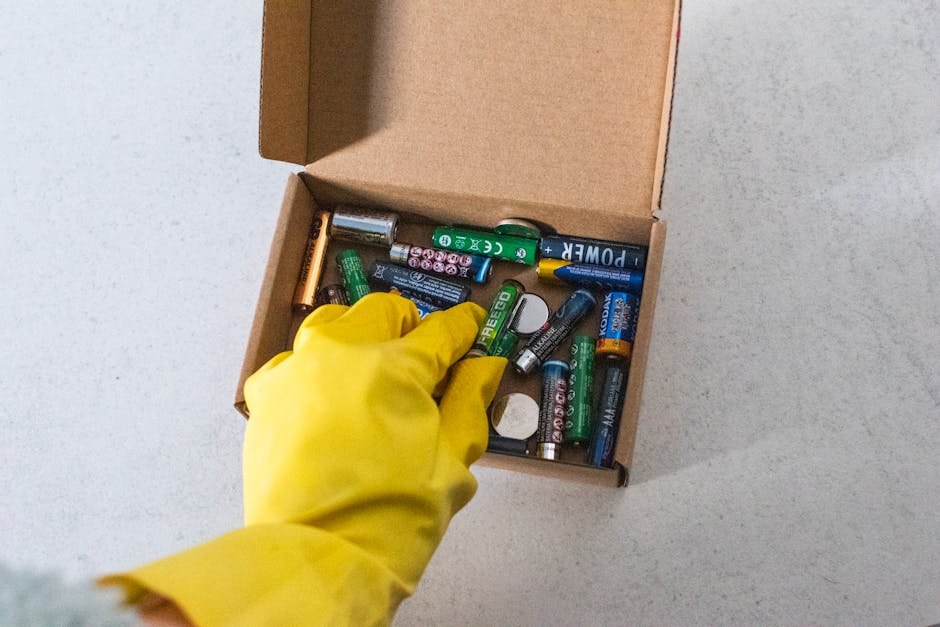
If you have a large quantity of scrap batteries, preparation is key. Store them upright in a leak-proof, acid-resistant container. Never stack them in a way that could cause the terminals to short-circuit, as this is a fire hazard. Always wear appropriate personal protective equipment (PPE) when handling them, including gloves and eye protection, as residual acid can cause severe burns.
When you are ready to sell, call ahead to your local recycler. Ask them about their current buying rates and whether they offer pick-up services for large volumes. Getting a quote over the phone can save you a wasted trip. Remember that honesty about the condition of your batteries will build a better relationship with your scrap dealer, which can lead to better long-term pricing agreements. Always keep records of your transactions for tax and environmental reporting purposes.
Conclusion
The scrap battery industry is a vital component of the Australian economy and our environmental strategy. By understanding the factors that influence the scrap battery price per kg, you can ensure that you are getting fair value for your materials while supporting a sustainable future. Whether you are a small workshop or a large industrial firm, the path to profitability lies in education, proper handling, and partnering with reputable recycling facilities. Keep these insights in mind, monitor the market, and continue to prioritize the safe and responsible recycling of all your scrap metal assets.
Frequently Asked Questions
Why does the scrap battery price per kg change so often?
The price is primarily linked to the global London Metal Exchange (LME) lead prices. Fluctuations in supply, demand, and currency exchange rates cause these prices to shift daily.
Can I recycle any type of battery at a scrap yard?
Most scrap yards focus on lead-acid batteries from vehicles and machinery. Other types, like lithium-ion or alkaline batteries, require different recycling processes and are often not accepted at standard metal scrap yards.
What should I do if a battery is leaking acid?
Leaking batteries are hazardous and should be handled with extreme caution using acid-resistant gloves and eye protection. Place the battery in a sturdy, leak-proof plastic container or heavy-duty bag and contact a professional hazardous waste recycler immediately.
How do I find the best price for my scrap batteries?
Compare quotes from multiple local scrap metal dealers and ask if they offer volume-based pricing. Checking current market rates on industry-leading platforms like Scrap Trade can also help you determine if you are being offered a fair market value.