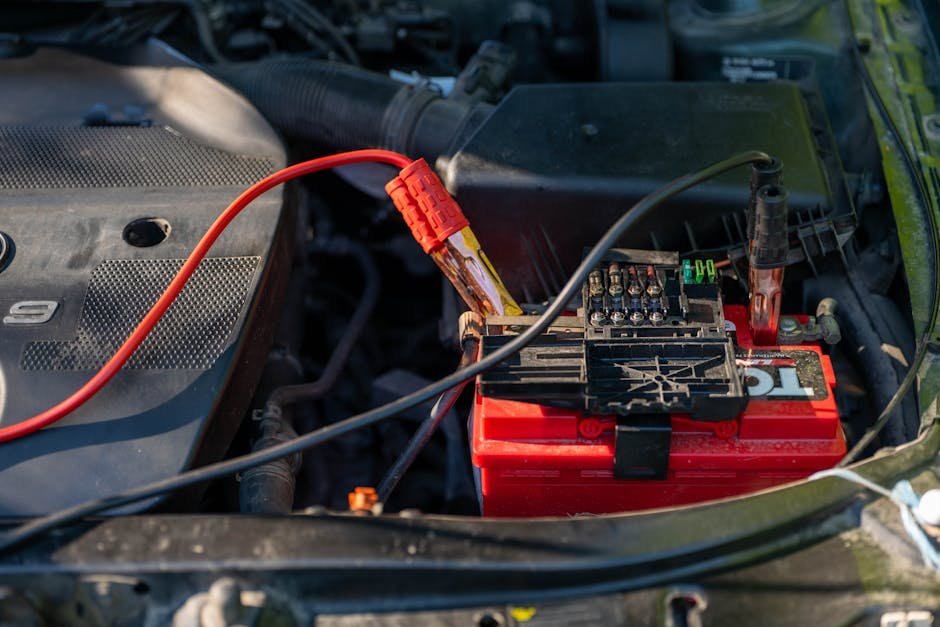

Understanding the scrap car batteries price per kg is critical for vehicle recycling stakeholders, from car wreckers to industrial recyclers. This guide provides an in-depth analysis of 2024 market dynamics, including how prices are determined, the impact of battery grades, and the environmental implications of recycling. By examining historical trends, current scrap price forecasts, and global demand for metal recovery, this article equips readers with actionable insights to optimize their scrap battery transactions.
Current Market Value for Scrap Car Batteries
In late 2024, the Australian market for lead-acid car batteries shows significant price volatility. Key regions like New South Wales and Victoria report scrap car batteries price per kg ranging from $0.50 to $1.20, with Queensland and Western Australia trending at the lower end due to supply imbalances. These fluctuations correlate with fluctuations in metal prices today, particularly lead and copper, which are core components of automotive batteries.
- Lead content: 60-70% of battery weight is recyclable lead, directly affecting kg-based pricing
- Regional variations: Coastal states see higher prices due to proximity to export facilities
- Seasonal factors: End-of-life vehicle (ELV) processing peaks in Q4-Q1, influencing volume discounts
For real-time tracking, https://scraptrade.com.au provides a dynamic pricing tool updated hourly with data from 200+ registered car wreckers and scrap steel price per kg benchmarks.
How Scrap Battery Prices Are Determined
The valuation methodology for scrap car batteries price per kg involves a multi-factorial approach:
1. Material Composition Analysis
Modern batteries contain 20+ elements, with lead (50-60%), polyethylene (10-15%), and copper (5-7%) being the most valuable. Advanced scrap batteries price per kg calculators use AI-driven material composition scans to determine precise grading.
2. Processing Costs
Recyclers factor in:
- Hydrometer testing for residual acid content
- Lead smelting energy costs ($0.15-0.25 per kg)
- Environmental compliance fees ($0.05-0.10 per kg)
3. Market Demand Fluctuations
Global automotive manufacturing cycles directly impact pricing. For example, the 2023 shift toward electric vehicles (EVs) created short-term spikes in lead demand for hybrid vehicle battery production.
Factors Affecting Battery Scrap Value
Several variables create price differentials across the scrap car batteries price per kg spectrum:
1. Battery Grade Classification
| Grade | Condition | Price Range ($/kg) |
|---|---|---|
| A-Grade | Sealed, no acid leaks | $1.00-$1.20 |
| B-Grade | Minor corrosion | $0.80-$0.95 |
| C-Grade | Cracked cases | $0.50-$0.70 |
2. Regional Supply Chains
Coastal vs. inland pricing disparities range from 15-30% annually. For example, Sydney recyclers often pay 25% more than Broken Hill processors due to transportation economics.
3. Regulatory Frameworks
The National Automotive Recycling Scheme (NARS) mandates that all ELVs must have batteries removed before shredding, creating a regulated flow of scrap for export markets.
Grades of Scrap Batteries: What Recyclers Look For
Professional recyclers use a 5-point assessment system:
- Seal integrity: Leaks reduce value by 40-60%
- Terminal condition: Corroded terminals = 15% price reduction
- Capacity testing: Fully functional batteries command premium prices
- Contamination levels: Oil or coolant residues disqualify from high-grade recycling
- Size category: SLI (starting-lighting-ignition) vs. deep cycle
For commercial scrap batteries price per kg assessments, use this formula: (Lead content % x $1.20) + (Plastic content % x $0.10) – (Processing costs).
The Battery Recycling Process: From Scrap to Resource
Modern recycling facilities employ a three-stage process:
1. Dismantling & Sorting
Automated systems separate lead grids, plastic cases, and acid. This stage recovers ~98% of materials, with auto parts recycling centers achieving the highest efficiency.
2. Smelting & Refining
Lead is melted at 1200°C, then cast into ingots for battery manufacturers or scrap steel price per kg markets. Copper terminals are separately processed for electronics applications.
3. Environmental Treatment
Acid is neutralized using calcium hydroxide, producing gypsum for wallboard production. This process eliminates 99.8% of lead emissions, aligning with https://scraptrade.com.au‘s sustainability protocols.
Environmental Benefits of Battery Recycling
Recycling scrap car batteries yields significant environmental benefits:
- Energy savings: Produces 70% less CO2 than primary lead mining
- Landfill reduction: Prevents 100% of lead from entering landfills
- Resource conservation: Recovers 100% of sulfuric acid for industrial reuse
Australian government estimates show that every tonne of recycled batteries saves:
- 2,800 kWh of electricity
- 17,000 liters of water
- 6,000 kg of CO2 emissions
Practical Tips for Maximizing Battery Scrap Value
For vehicle recycling operators and car wreckers, these strategies enhance revenue:
- Use battery hydrometers to assess remaining charge (charged batteries = higher value)
- Store in dry, temperature-controlled environments to prevent acid crystallization
- Partner with https://scraptrade.com.au for guaranteed pricing and bulk handling
- Track current scrap prices using AI-powered forecasting tools
Conclusion: Strategic Value in Battery Recycling
The scrap car batteries price per kg ecosystem reflects broader trends in the circular economy. As export markets demand higher purity materials and EV adoption increases lead requirements, proactive scrap traders can capitalize on emerging opportunities. By combining technical knowledge of battery composition with market intelligence from platforms like https://scrap.trade, industry participants can optimize both financial returns and environmental impact.
FAQs
Q: What’s the current scrap car batteries price per kg in Australia?
A: As of Q3 2024, prices range from $0.50 to $1.20 per kg, depending on lead content and battery condition. Check https://scrap.trade for real-time updates.
Q: How does vehicle recycling impact battery scrap value?
A: ELV processing generates 80% of battery scrap supply. Higher export demand from Asian markets increases prices by 15-20% annually.
Q: Are sealed batteries more valuable than open batteries?
A: Yes, sealed lead-acid (SLA) batteries command 25-35% higher prices due to lower contamination risk and easier processing.
Q: What’s the best way to store scrap batteries before sale?
A: Store in dry, upright positions with terminals insulated. Avoid stacking more than 3 layers to prevent case damage that reduces scrap batteries price per kg by 20-40%.
Frequently Asked Questions
What’s the current scrap car batteries price per kg in Australia?
As of Q3 2024, prices range from $0.50 to $1.20 per kg, depending on lead content and battery condition. Check https://scrap.trade for real-time updates.
How does vehicle recycling impact battery scrap value?
ELV processing generates 80% of battery scrap supply. Higher export demand from Asian markets increases prices by 15-20% annually.
Are sealed batteries more valuable than open batteries?
Yes, sealed lead-acid (SLA) batteries command 25-35% higher prices due to lower contamination risk and easier processing.
What’s the best way to store scrap batteries before sale?
Store in dry, upright positions with terminals insulated. Avoid stacking more than 3 layers to prevent case damage that reduces scrap batteries price per kg by 20-40%.