
When you are looking for reliable scrap car removal Altona East services, you are participating in a global circular economy that transforms dormant metal into essential industrial raw materials. As vehicles reach their end of life, they represent a significant repository of steel, aluminium, copper, and precious metals. Understanding the process of vehicle recycling is critical for residents and businesses in the Altona East industrial precinct to ensure that their assets are handled with both economic and environmental efficiency.
Understanding the End-of-Life Vehicle (ELV) Lifecycle
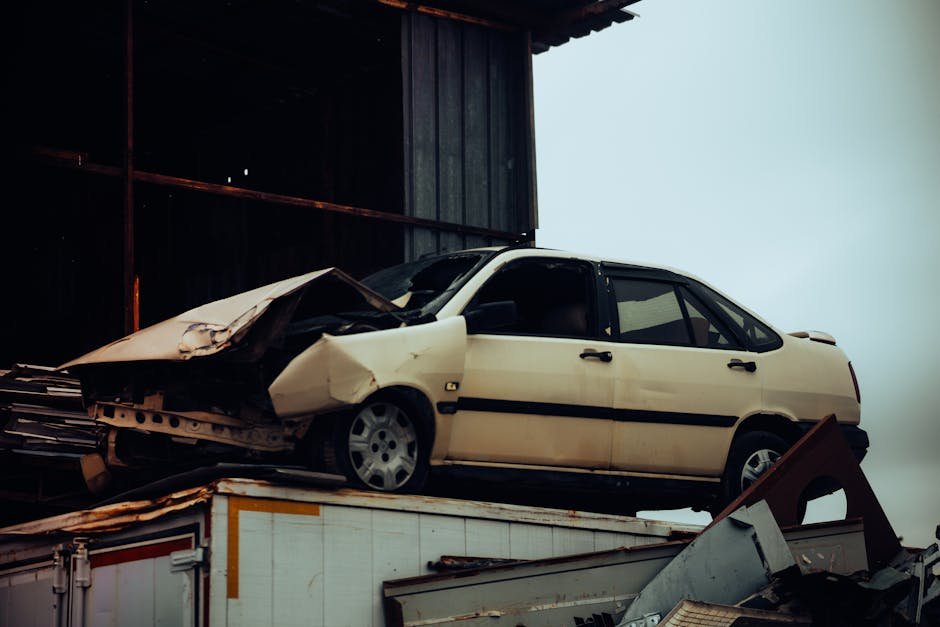
The term End of Life Vehicle (ELV) refers to a vehicle that has reached the point where it is no longer roadworthy, economically viable to repair, or has simply outlived its utility. In the context of scrap car removal Altona East, the lifecycle of these vehicles is managed through a rigorous process of de-registration, collection, and systematic dismantling. Unlike simple waste disposal, automotive recycling is a sophisticated industrial operation.
The process begins with the identification of the vehicle’s structural integrity and the presence of hazardous materials. Modern vehicles are complex machines, and their recycling requires specialized knowledge. For those interested in the broader economic context, it is helpful to look at the Scrap Trade Between Middle East And Asia to understand how the materials recovered from your local vehicle feed into global supply chains. By choosing professional services, you ensure that your vehicle does not end up in a landfill, but rather contributes to the sustainable production of new steel and automotive components.
Grades of Scrap Metal in Automotive Recycling
Not all scrap is created equal. To maximize the return on your vehicle, it is essential to understand how different components are categorized. When you engage in scrap car removal Altona East, the value of your vehicle is largely determined by the weight and purity of the metals present. Common grades include:
- Ferrous Metals: This includes the heavy steel frame, engine blocks, and chassis. These are the most common metals in a vehicle and are processed in bulk.
- Non-Ferrous Metals: These are highly valuable. They include aluminium (engine parts, wheels), copper (wiring harnesses, radiators), and lead (batteries).
- Catalytic Converters: These contain precious metals like platinum, palladium, and rhodium. They are treated as a separate, high-value grade.
- Plastics and Glass: While these are often considered “shredder fluff,” modern recycling facilities are increasingly finding ways to process these materials for secondary use.
If you are unsure how to prepare your vehicle for pickup, our comprehensive guide on Scrap Metal Removal How To Dispose Sell And Maximize Value provides the necessary steps to ensure you receive the best market rate for your specific grades of metal.
The Environmental Benefits of Vehicle Recycling
The environmental imperative for vehicle recycling cannot be overstated. By recycling an ELV, we drastically reduce the energy required to mine, refine, and transport virgin ore. For every tonne of steel recycled, we save approximately 1.5 tonnes of iron ore and 0.5 tonnes of coal. Furthermore, professional car wreckers ensure that hazardous fluids—such as engine oil, coolant, brake fluid, and transmission fluid—are captured and disposed of in accordance with strict environmental regulations.
In contrast to unregulated dumping, professional recycling prevents heavy metals and toxic chemicals from leaching into the soil and groundwater of the Altona East area. By choosing certified scrap metal recycling experts, you are contributing to a cleaner, greener Australian landscape. This commitment to sustainability is what sets apart industry-leading scrap platforms from informal collectors.
Parts vs. Whole: Maximizing Your Return
One of the most common questions we receive is whether it is better to sell a car as a whole unit or to strip it for parts. This depends heavily on the make, model, and condition of the vehicle. For a detailed breakdown of this decision-making process, refer to our Sell Car Scrap For Parts Vs Whole Value Comparison 2026 Guide. Generally, if the vehicle has rare or high-demand components, selling parts can yield a higher return, but it requires significant time, labor, and storage space. For most, selling the vehicle as a whole to a professional recycler is the most efficient and profitable route.
We also provide services beyond the Altona East area. If you have assets in other regions, you might find our resources for scrap car removal macquarie fields or car removal east kangaloon equally useful for managing your metal recycling needs across different locations.
The Technical Process: From Intake to Shredding
Once a vehicle is collected, it enters the intake phase. This involves checking the VIN, verifying ownership, and assessing the vehicle for any remaining usable auto parts. The depollution phase is the most critical step; here, all fluids are drained and stored in sealed containers. Batteries are removed for specialized recycling, and tires are stripped for rubber reclamation.
The remaining “hulk” is then sent to a shredder. This massive machine tears the vehicle into palm-sized pieces. Following the shredding, powerful magnets separate the ferrous metals from the non-ferrous materials. Eddy current separators are then used to pull out non-ferrous metals like aluminium and copper. The remaining non-metallic material is then sorted to recover plastics and textiles. This high-tech approach ensures that nearly 95% of the vehicle is diverted from landfills, proving that the modern scrap trade platform is a pillar of industrial efficiency.
Why Choose Professional Car Wreckers?
Attempting to dismantle a vehicle yourself is not only dangerous but often illegal if you lack the proper permits for hazardous waste handling. Professional car wreckers have the infrastructure, safety equipment, and legal compliance necessary to manage ELVs safely. They provide a streamlined service that saves you time and ensures that you are paid a fair price based on current market fluctuations. By utilizing a professional service, you avoid the risks associated with improper disposal and benefit from the expertise of those who understand the nuances of the scrap metal market.
Future Trends in Automotive Recycling
The automotive industry is shifting rapidly toward electric vehicles (EVs). This presents a new challenge and opportunity for the recycling sector. Lithium-ion batteries require a completely different recycling process than lead-acid batteries. As more EVs reach their end of life, the demand for specialized recycling facilities will grow. Companies that are currently investing in battery recycling technology will lead the market in the coming decade. Keeping informed about these changes is essential for anyone looking to stay ahead in the scrap metal industry.
Economic Impact of the Scrap Industry
The scrap metal industry is a significant contributor to the Australian economy. It provides thousands of jobs, from collection and logistics to high-tech processing and international trade. By recycling metal locally, we reduce our dependence on imported raw materials and strengthen our domestic manufacturing capabilities. The value of scrap metal is tied to global industrial production, meaning that when you recycle your car, you are effectively participating in a global economic cycle that supports infrastructure development worldwide.
Safety Protocols in Scrap Handling
Safety is the cornerstone of our operations. Handling scrap metal involves heavy machinery, sharp edges, and potential exposure to chemical residues. Our facilities adhere to strict OHS standards, ensuring that every worker is protected and every vehicle is processed without incident. We encourage all our clients to prioritize safety when choosing a removal service. Do not settle for “backyard” operators who lack the necessary safety certifications or environmental disposal licenses.
Logistics and Collection Efficiency
The efficiency of the scrap trade relies heavily on logistics. Getting a vehicle from a private driveway or a commercial site to the recycling plant requires specialized towing equipment and a well-coordinated schedule. Our logistics team is optimized to handle high-volume scrap removal, ensuring that the process is seamless for the client. Whether you have a single car or a fleet of end-of-life vehicles, we have the capacity to manage the removal process professionally and promptly.
Regulatory Compliance and Documentation
Every scrap transaction must be documented to comply with local and state environmental laws. This includes verifying the identity of the seller and ensuring the vehicle is not subject to any legal encumbrances. We handle all the paperwork, providing you with peace of mind that your vehicle has been processed legally. This transparency is vital for maintaining the integrity of the recycling industry and ensuring that all participants are held accountable for their environmental impact.
Conclusion: A Sustainable Future
The journey of a scrap car from your property to a recycled raw material is a testament to the power of the circular economy. By choosing to recycle your vehicle through professional scrap car removal Altona East services, you are making a conscious decision to support environmental sustainability and economic efficiency. We invite you to explore our resources, learn about the market, and join us in our mission to turn waste into wealth. Whether you are an individual with one car or a business with an entire fleet, the path to responsible recycling starts with choosing the right partner.
Frequently Asked Questions
How is the value of my scrap car determined?
The value is primarily based on the weight of the metal, the current market price for steel and non-ferrous metals, and the presence of any valuable auto parts or catalytic converters. Factors like the vehicle’s make, model, and overall condition also play a role.
Is it legal to strip a car for parts at home?
While you can remove some parts, you are legally restricted from disposing of hazardous fluids like oil, coolant, and battery acid yourself. Professional wreckers are required to handle these materials to comply with environmental protection laws.
What happens to the fluids and hazardous waste?
Professional recycling facilities use specialized equipment to drain all fluids into sealed containers. These are then sent to certified waste management facilities for treatment and safe disposal, preventing soil and water contamination.
Do I need to be present for the scrap car removal?
While it is preferred for you to be present to sign the necessary documentation and receive payment, many services can arrange remote collection if you provide clear access and ensure the vehicle is prepared according to their instructions.