
When you are looking to manage scrap cars Dapto, understanding the lifecycle of your vehicle is the first step toward responsible disposal. The automotive industry is one of the largest contributors to the circular economy, and by choosing to recycle your end of life vehicle (ELV) through professional channels, you contribute to a sustainable future. Whether you are a private owner or a business, knowing how to navigate the local market ensures you receive fair compensation while adhering to environmental standards. To truly understand the industry, it is helpful to look at What Scrap Trade Actually Is and how it impacts the broader economy.
Understanding the Lifecycle of End of Life Vehicles (ELV)
An end of life vehicle (ELV) is defined as a car that has reached the end of its functional roadworthiness, whether due to age, accident damage, or mechanical failure. In Australia, the process of handling these vehicles is highly regulated to ensure that hazardous materials are contained and valuable resources are recovered. When you engage with services offering cash for scrap cars dapto, you are participating in a sophisticated supply chain that transforms automotive waste into industrial raw materials.
The process begins with the collection and transport of the vehicle to a certified facility. Once the vehicle arrives, it is not simply crushed. Instead, it undergoes a meticulous ‘depollution’ phase. This involves the safe removal and disposal of hazardous fluids, including engine oil, transmission fluid, coolant, brake fluid, and battery acid. These substances, if left in the vehicle, would contaminate the soil and groundwater during the shredding process. Once the vehicle is ‘dry,’ it is ready for dismantling.
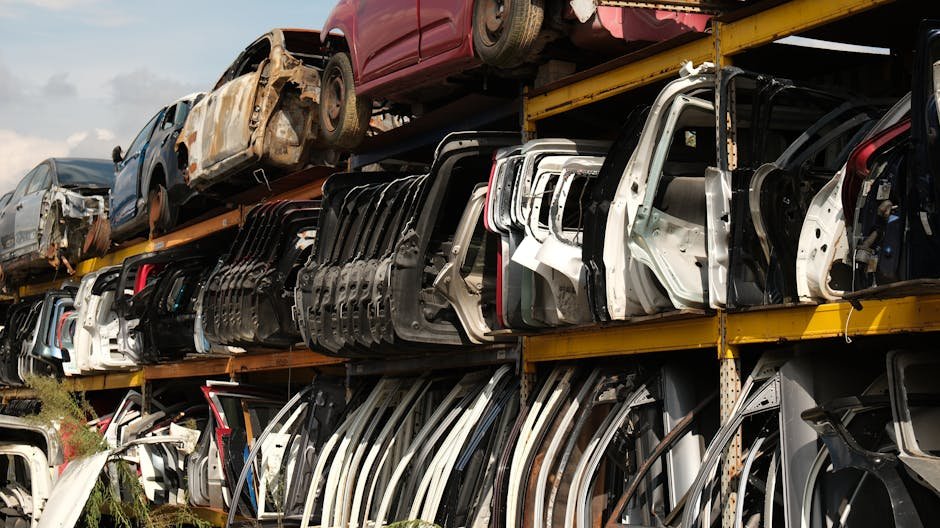
Dismantling is where the value of the vehicle is truly unlocked. High-quality auto parts are carefully extracted, tested, and inventoried. These components, such as alternators, starters, and body panels, are often sold to the public or trade professionals, providing a cost-effective alternative to expensive OEM parts. This practice is the bread and butter of professional car wreckers. By keeping these parts in circulation, the industry reduces the demand for new manufacturing, which is energy-intensive and resource-heavy.
The Grades of Scrap Metal in Vehicles
To understand the financial aspect of vehicle recycling, one must understand the various grades of scrap metal found in a typical car. Not all metal is created equal, and scrap yards categorize materials based on purity, density, and alloy composition. If you want to dive deeper into the mechanics of the market, you might want to learn What Is Scrap Trade and how pricing fluctuates based on global demand.
1. Ferrous Metals: The bulk of a vehicle’s weight consists of ferrous metals, primarily steel and iron. This includes the chassis, the engine block, and the body frame. These are magnetic and are typically processed in large-scale shredders that use powerful magnets to separate the steel from other materials.
2. Non-Ferrous Metals: These are the ‘high-value’ components. Aluminum is increasingly common in modern vehicle construction to reduce weight and improve fuel efficiency. You will find it in engine components, wheels, and radiators. Copper is found in the extensive wiring harnesses that run throughout the car, while lead is concentrated in the battery. Because these metals are non-magnetic, they require different sorting technologies, such as eddy current separators.
3. Catalytic Converters: These are a specialized category containing precious metals like platinum, palladium, and rhodium. Because of the high market value of these metals, catalytic converters are often removed and processed separately from the rest of the scrap.
Beyond metals, there is also a significant amount of Plastic Scrap, glass, and rubber. While these are harder to recycle, modern facilities are finding innovative ways to turn these materials into secondary products, such as rubberized asphalt or plastic composite lumber.
The Environmental Benefits of Vehicle Recycling
The environmental impact of recycling scrap cars Dapto cannot be overstated. When a vehicle is abandoned or sent to a landfill, it becomes a long-term environmental hazard. By recycling, we mitigate these risks significantly. First and foremost, recycling saves energy. Producing steel from recycled scrap requires significantly less energy—up to 75% less—than producing it from virgin iron ore. This translates to a massive reduction in greenhouse gas emissions.
Furthermore, vehicle recycling prevents the leaching of heavy metals and chemicals into the local ecosystem. The automotive industry has made significant strides in adopting ‘Design for Disassembly’ principles, which make it easier to recover materials at the end of a vehicle’s life. When you recycle your car, you are supporting a professional scrap metal trading platform that prioritizes these green initiatives.
Water conservation is another often-overlooked benefit. Mining and refining raw metals require vast amounts of water. By utilizing recycled metals, we reduce the strain on water supplies and minimize the toxic runoff associated with mining operations. Additionally, the recycling industry provides a stable supply of raw materials for the local manufacturing sector, reducing the nation’s reliance on imported resources.
How to Choose a Reliable Car Wrecker
Finding the right partner for your vehicle disposal is crucial. Whether you are in Dapto or looking for scrap cars liverpool, the criteria for a reputable operator remain the same. A professional wrecker should be fully licensed, hold the necessary environmental permits, and provide transparent pricing.
When you contact a service, ask about their handling of hazardous waste. A reputable operator will be able to explain how they manage fluids and batteries. They should also provide you with a certificate of destruction or a receipt that confirms the vehicle has been legally processed. This is important for your peace of mind and for de-registering the vehicle with the local transport authority.
Avoid operators who pressure you into quick decisions or offer prices that seem ‘too good to be true.’ Often, these operators may not be properly licensed and could be dumping the car shell illegally after stripping the easy parts. Always check online reviews and look for a strong, established digital presence. A company that invests in its online infrastructure, such as this comprehensive scrap trading portal, is generally more accountable and professional.
The Future of Vehicle Recycling in Australia
The automotive recycling industry is on the cusp of a technological revolution. As we move toward electric vehicles (EVs), the recycling process must adapt to handle high-voltage battery packs. These batteries contain lithium, cobalt, and nickel—materials that are critical to the green energy transition. The ability to safely extract, test, and recycle these battery cells will become a cornerstone of the recycling industry in the coming decade.
Furthermore, automation and artificial intelligence are being integrated into the dismantling process. Robotic arms equipped with computer vision can now identify and remove valuable parts with a speed and precision that manual labor simply cannot match. This increases the yield of high-value components and improves the efficiency of the entire recycling chain. For residents in Dapto, this means that as technology improves, the value they receive for their scrap vehicles is likely to increase as well.
The shift toward a ‘circular economy’ is not just a trend; it is a government-backed necessity. Australia’s commitment to reducing landfill waste means that more stringent regulations will likely be placed on how vehicles are disposed of. This will favor larger, more organized recycling hubs that can prove their compliance with environmental standards. By choosing to work with established players, you are supporting a system that is becoming cleaner, more efficient, and more valuable to the Australian economy every year.
Practical Tips for Preparing Your Vehicle for Scrap
If you have decided it is time to scrap your vehicle, there are a few steps you can take to make the process smoother and potentially more profitable. First, remove all personal belongings. It is surprising how many people leave behind important documents, keys, or personal items in the glovebox or trunk. Second, remove your license plates. In most Australian states, you are required to return these to the transport department to cancel your registration. Failing to do this can lead to ongoing registration fees or fines.
If you have any recent service records or spare keys, keep them handy. While the car may be destined for the shredder, some wreckers might be interested in the history of the vehicle if it is being sold for parts. If the car is still mobile, check if the wrecker offers a higher price for ‘drive-in’ vehicles compared to those that require a tow. However, do not attempt to drive a vehicle that is unsafe or unregistered on public roads.
Finally, be prepared to provide proof of ownership. Reputable wreckers will always ask for identification and proof that you are the registered owner of the vehicle. This is a vital anti-theft measure that protects the entire industry. If a wrecker does not ask for ID, walk away. Legitimate operators will never bypass these legal requirements.
Conclusion
Recycling your vehicle is a responsible act that benefits both your wallet and the planet. Whether you are dealing with an old sedan, a damaged truck, or a fleet of end-of-life commercial vehicles, the scrap metal industry in Australia is equipped to handle your needs professionally. By understanding the grades of metal, the importance of depollution, and the value of recovered auto parts, you can navigate the process with confidence.
The transition from a linear ‘take-make-dispose’ model to a circular economy is well underway. By choosing to recycle, you are playing a direct role in this transition. Remember to prioritize licensed, transparent operators and always ensure your paperwork is in order. For those in the region, the options for managing scrap cars are robust, ensuring that your vehicle’s final journey is one that contributes to the sustainability of our national resources. Explore more about the industry and stay informed about market trends by visiting our main hub for all your scrap-related inquiries.
Frequently Asked Questions
How is the value of my scrap car determined?
The value is primarily based on the current market price of steel, aluminum, and copper. Factors like the vehicle’s weight, the presence of catalytic converters, and the demand for specific reusable auto parts also influence the final offer.
Do I need to remove the battery before scrapping my car?
While not always required, it is often helpful. However, most professional wreckers are equipped to handle battery removal safely and ensure the lead-acid components are recycled according to environmental regulations.
What happens to the fluids drained from my car?
Hazardous fluids like engine oil and coolant are collected in specialized containers during the depollution process. These are then sent to certified processing facilities where they are cleaned and recycled or disposed of in an environmentally safe manner.
Is it legal to leave a scrap car on my property indefinitely?
Local council regulations often prohibit the storage of unregistered or derelict vehicles on residential properties due to fire hazards and environmental risks. It is best to dispose of the vehicle through a licensed wrecker to avoid potential fines.