
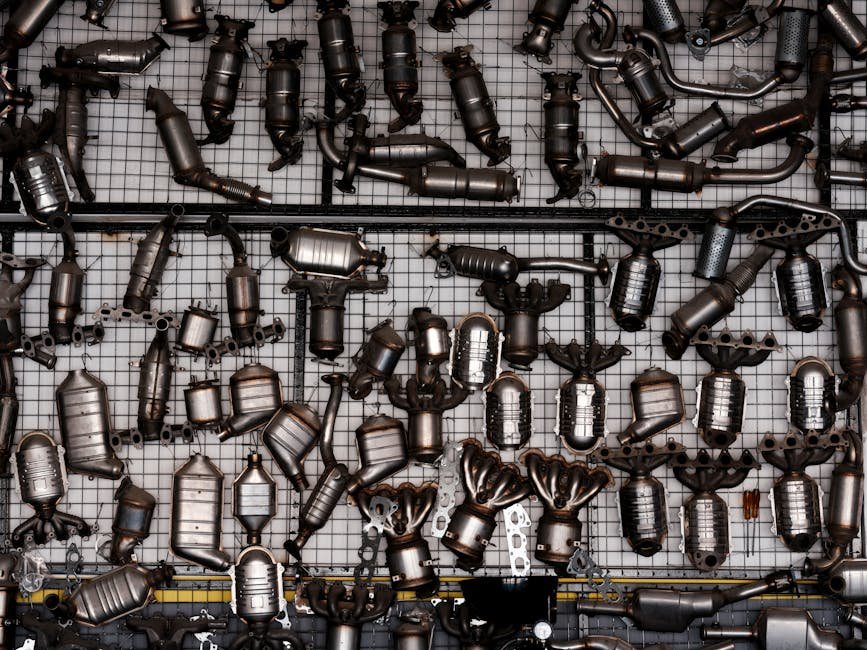

Navigating the market for scrap catalytic converters for sale requires a sophisticated understanding of global commodity pricing, chemical composition, and the logistics of hazardous waste management. As the automotive industry shifts toward electrification, the secondary market for these components has become a critical pillar of the circular economy. Suppliers and recyclers must treat these units not merely as automotive waste, but as high-grade urban mines. Whether you are an individual collector or a large-scale industrial operator, understanding the nuances of how these converters are graded and processed is essential for maximizing your return on investment. This guide explores the technical, economic, and environmental dimensions of the industry, ensuring you are equipped to make informed trading decisions in a volatile market.
The Anatomy of Value: Grading Scrap Catalytic Converters
The intrinsic value of a catalytic converter is dictated by the loading of Platinum Group Metals (PGMs) on the ceramic substrate inside the steel casing. Grading is the most critical step in the recycling chain. Buyers categorize units based on the vehicle make, model, and year, often using specialized serial number databases to estimate metal content. Ecotrade Group Catalytic Converters represent the gold standard in tracking these complex data sets, providing the transparency required to ensure fair market valuations. High-grade converters often come from luxury or diesel-powered vehicles, where higher concentrations of rhodium and palladium are required to meet stringent emission standards.
Grading is not a static process; it is a dynamic science. Recyclers use X-ray fluorescence (XRF) analyzers to determine the exact PGM content of the ceramic honeycomb. This technology has revolutionized the industry, moving away from subjective visual assessments to data-backed valuations. When you look for scrap catalytic converters for sale, you are essentially purchasing a futures contract on precious metal prices. Market participants must monitor the London Platinum and Palladium Market (LPPM) daily, as fluctuations in these spot prices directly impact the scrap value of your inventory. For those managing large volumes, implementing a Warehouse Clearance Scrap Sale Strategy is imperative to mitigate the risk of price volatility and optimize cash flow during market downturns.
The Recycling Process: From Exhaust Pipe to Precious Metal
The recycling of catalytic converters is an industrial marvel that involves precise chemical and thermal engineering. Once a converter is collected, it undergoes decanning, where the stainless steel shell is removed to expose the ceramic monolith. This monolith is then crushed into a fine powder, a process known as milling. The resulting material, referred to as ‘catalyst dust’ or ‘ceramic scrap,’ is sampled and assayed to determine the precise concentration of platinum, palladium, and rhodium. This analytical precision is detailed extensively in A Comprehensive Guide to Catalytic Converters Scrap Recycling, which serves as a foundational resource for those entering the processing side of the business.
After sampling, the material undergoes smelting. In this stage, the powder is blended with fluxing agents and heated to extreme temperatures in an electric arc furnace. The PGMs are collected in a collector metal, usually copper or iron, and subsequently separated through chemical refining. The environmental benefits of this process are profound. By recovering PGMs from end-of-life vehicles, we significantly reduce the need for destructive primary mining operations. Primary mining is energy-intensive and ecologically damaging; recycling, by contrast, consumes up to 90% less energy to produce the same amount of refined metal. This makes the trade of scrap catalytic converters for sale a cornerstone of sustainable industrial practices in Australia and beyond.
Strategic Market Participation and Compliance
Operating in the Australian scrap metal market requires strict adherence to environmental regulations and local licensing laws. The trade of precious metals is heavily monitored to prevent the circulation of stolen goods. Reliable traders utilize platforms like Scrap Trade Australia to ensure they are working within a network of verified, compliant partners. Compliance is not just a legal necessity; it is a competitive advantage. Buyers who maintain rigorous documentation and ethical sourcing practices are better positioned to build long-term relationships with refineries and industrial OEMs. Furthermore, you can find more detailed advice on how to Sell Platinum Scrap Jewelry Catalytic Converters Industrial 2026 Guide to prepare for the evolving regulatory landscape of the coming years.
For those looking to scale their operations, it is vital to understand the logistics of international shipping. Catalytic converters are classified as hazardous waste under the Basel Convention, meaning cross-border trade is subject to strict controls. Engaging with a professional logistics provider who specializes in the transport of industrial scrap is non-negotiable. This ensures that your inventory reaches the refinery safely and legally, preventing costly seizures or fines. As the industry matures, the integration of blockchain technology for tracking the lifecycle of catalytic converters is becoming more common, offering a transparent audit trail from the vehicle owner to the final refiner. This level of transparency is exactly what the modern market demands.
Economic Trends and Future Outlook
The future of the catalytic converter market is intrinsically linked to the global transition to electric vehicles (EVs). While EVs do not use exhaust catalysts, the sheer volume of internal combustion engine (ICE) vehicles currently on the road ensures a steady supply of scrap for the next two decades. Furthermore, the demand for PGMs remains high in other industrial applications, such as hydrogen fuel cells and high-performance electronics. This ensures that the value of the metals contained within converters will remain resilient even as the automotive landscape shifts. Investors should view the scrap market as a long-term play on the scarcity of precious metals.
To succeed, traders must diversify their knowledge. Don’t just focus on the converters themselves; understand the broader market for industrial scrap, including precious metal recovery services. By broadening your scope, you can hedge against specific sector downturns. Keep a close eye on the development of new catalyst technologies, such as those requiring lower rhodium loads, as these will change the grading benchmarks in the future. The most successful traders are those who anticipate these shifts rather than reacting to them. By maintaining a deep, granular understanding of the market, you can turn a simple scrap unit into a high-value commodity asset. Consistency in grading, a commitment to environmental compliance, and a sharp eye on global metal markets are the three pillars of success in this industry. Whether you are buying or selling, treat every converter as a significant investment in the future of the circular economy.
Related: Ecotrade Group Catalytic Converters
Related: Warehouse Clearance Scrap Sale Strategy
Related: Sell Platinum Scrap Jewelry Catalytic Converters Industrial 2026 Guide
Related: A Comprehensive Guide to Catalytic Converters Scrap Recycling
Frequently Asked Questions
How is the value of a scrap catalytic converter determined?
The value is primarily determined by the weight and concentration of platinum, palladium, and rhodium within the ceramic honeycomb. Professional buyers use serial number databases and X-ray fluorescence (XRF) analysis to estimate the metal content and apply current spot market prices for these precious metals.
Why is recycling catalytic converters important for the environment?
Recycling these units significantly reduces the need for destructive primary mining of precious metals, which is energy-intensive and environmentally damaging. Recovering these metals from end-of-life vehicles saves up to 90% of the energy required compared to extracting them from raw ore.
What are the legal requirements for trading scrap catalytic converters in Australia?
Traders must comply with state-specific environmental protection laws and, in many cases, hold specific scrap metal dealer licenses. It is also critical to maintain detailed records of all transactions to ensure compliance with anti-theft regulations and to verify the legal provenance of the scrap.
Will the rise of electric vehicles make catalytic converter recycling obsolete?
No, the market will remain robust for decades as there are hundreds of millions of internal combustion engine vehicles currently in use. Additionally, the recovered platinum group metals are essential for emerging technologies like hydrogen fuel cells and other industrial applications.