
Scrap copper prices in Australia are a dynamic component of the global metals market, influenced by factors ranging from industrial demand to recycling efficiency. Whether you’re a scrap dealer, a DIY enthusiast, or a business owner with copper waste, understanding the nuances of scrap copper prices is essential for maximizing returns. This comprehensive guide explores the current market value per kg, how prices are determined, and the environmental and economic benefits of copper recycling.
Current Market Value of Scrap Copper
As of 2024, scrap copper prices in Australia typically range between $8 and $12 per kg, though these figures vary based on grade, location, and global commodity trends. Scrap Copper Prices Near Me provides real-time data, reflecting fluctuations caused by supply chain disruptions or shifts in manufacturing demand. For instance, copper wire and bare bright copper command higher prices than number 2 copper due to their purity and reusability.
How Scrap Copper Prices Are Set
Prices are determined through a combination of global and local factors. Internationally, copper is traded on exchanges like the London Metal Exchange (LME), where the LME cash price serves as a benchmark. Locally, scrap metal prices are adjusted for transportation costs, refining expenses, and the value of contaminants. In Australia, Scrap Metal Prices also reflect the cost of separating copper from other materials, such as insulation on wires or solder in copper pipe.
Factors Affecting Scrap Copper Costs
- Global Demand: Construction and renewable energy sectors drive demand for recycled copper.
- Supply Chain Disruptions: Mining output in top producers like Chile and Peru impacts availability.
- Currency Exchange Rates: A weaker Australian dollar can lower export competitiveness.
- Local Inventory Levels: High stockpiles reduce copper price per kg due to oversupply.
Grades of Scrap Copper and Their Value
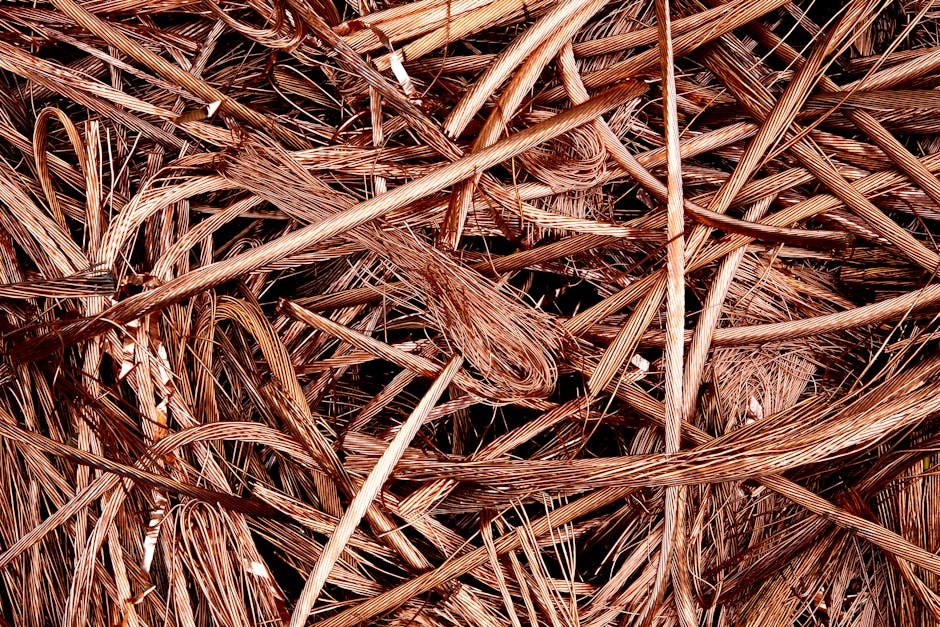
Copper scrap is categorized into grades based on purity and condition. Understanding these classifications helps sellers optimize their returns:
- Bare Bright Copper: High-value, uncoated copper wire with no insulation.
- Number 2 Copper: Copper with light contamination, such as copper wire with minimal insulation.
- Heavy Wall Copper Pipe: Thick-walled copper pipe with high scrap value.
- Copper Wire: Includes both solid and stranded wire, often bundled for easier processing.
- Low-Grade Copper: Mixed with other metals or non-metallic materials, fetching lower prices.
The Copper Recycling Process
Copper recycling involves several stages to prepare scrap copper prices for reuse. First, materials are sorted by grade. Contaminants like plastic or solder are removed through mechanical and thermal processes. The cleaned copper is then melted down and cast into ingots or coils for industrial applications. Scrap Trade partners with facilities that use energy-efficient smelting techniques, reducing the carbon footprint compared to mining virgin ore.
Environmental Benefits of Copper Recycling
Recycling copper conserves natural resources and reduces environmental harm. Producing recycled copper uses 85% less energy than mining new ore, cutting greenhouse gas emissions by up to 70%. Additionally, copper recycling minimizes landfills and reduces the need for strip mining, which damages ecosystems. Scrap Trade Australia emphasizes these benefits in their operations, aligning with global sustainability goals.
Practical Tips for Selling Scrap Copper
To maximize your returns, follow these steps:
- Grade Your Materials: Separate bare bright copper from number 2 copper for better pricing.
- Research Local Markets: Use Scrap Copper Prices Near Me to compare buy rates.
- Prepare for Inspection: Remove non-copper components to avoid downgrading your materials.
- Check Currency Rates: Exporters should monitor current scrap prices in USD or other trading currencies.
Regional Variations in Scrap Copper Prices
Prices vary significantly across Australian regions. For example, scrap copper prices Sydney often exceed regional averages due to higher industrial activity and proximity to refineries. Conversely, remote areas like the Outback face higher transportation costs, which can lower effective copper price per kg. Always verify Scrap Prices in your state before selling.
Why Monitor Scrap Metal Prices
Tracking Scrap Metal Prices helps businesses and individuals make informed decisions. Sudden spikes in scrap copper prices may signal market shortages, while drops could indicate oversupply. Subscribing to price alerts or using apps like Scrap Trade ensures you stay ahead of market shifts.
Future Outlook for Scrap Copper Markets
Experts predict sustained growth in scrap copper prices due to increased demand from renewable energy projects and electric vehicle manufacturing. Australia’s role in global recycling chains positions it to benefit from this trend, especially as countries like China reduce their reliance on imported copper. However, geopolitical tensions and trade policies could introduce volatility.
Frequently Asked Questions
What are the current scrap copper prices in Australia?
Prices range from $8 to $12 per kg, depending on grade and location. Check Scrap Copper Prices Near Me for up-to-date information.
How does copper grading affect scrap copper prices?
Higher grades like bare bright copper fetch premium prices due to purity, while number 2 copper and low-grade materials are cheaper.
Why recycle copper instead of buying new?
Recycling saves 85% of the energy required to produce copper from ore and reduces environmental damage from mining.
Where can I find current scrap prices in my area?
Use Scrap Prices to compare scrap copper prices and other metals near you.
Related: scrap copper sydney
Frequently Asked Questions
What are the current scrap copper prices in Australia?
Scrap copper prices range from $8 to $12 per kg, depending on grade and location. Check Scrap Copper Prices Near Me for real-time updates.
How does copper grading affect scrap copper prices?
Higher grades like bare bright copper fetch premium prices due to purity, while number 2 copper and low-grade materials are cheaper.
Why recycle copper instead of buying new?
Recycling saves 85% of the energy required to produce copper from ore and reduces environmental damage from mining.
Where can I find current scrap prices in my area?
Use Scrap Prices to compare scrap copper prices and other metals near you.