
For residents and businesses in Sydney, mastering the nuances of scrap copper recycling Roselands is an essential step toward maximizing the value of industrial and domestic waste. Copper is one of the most highly valued non-ferrous metals in the global economy, and its infinite recyclability makes it a cornerstone of the circular economy. Whether you are a tradesperson clearing out a job site or a homeowner cleaning out a garage, understanding how to identify, sort, and process your scrap is the key to securing the best copper price per kg in the current market.
Understanding Copper Grades: From Bare Bright to Number 2
To get the best financial return, you must understand how scrap yards grade material. The grading process is not arbitrary; it is based on the purity, level of oxidation, and the presence of contaminants like solder, paint, or plastic insulation. When you engage in scrap copper recycling Roselands, the first thing a yard manager will look at is your sorting.
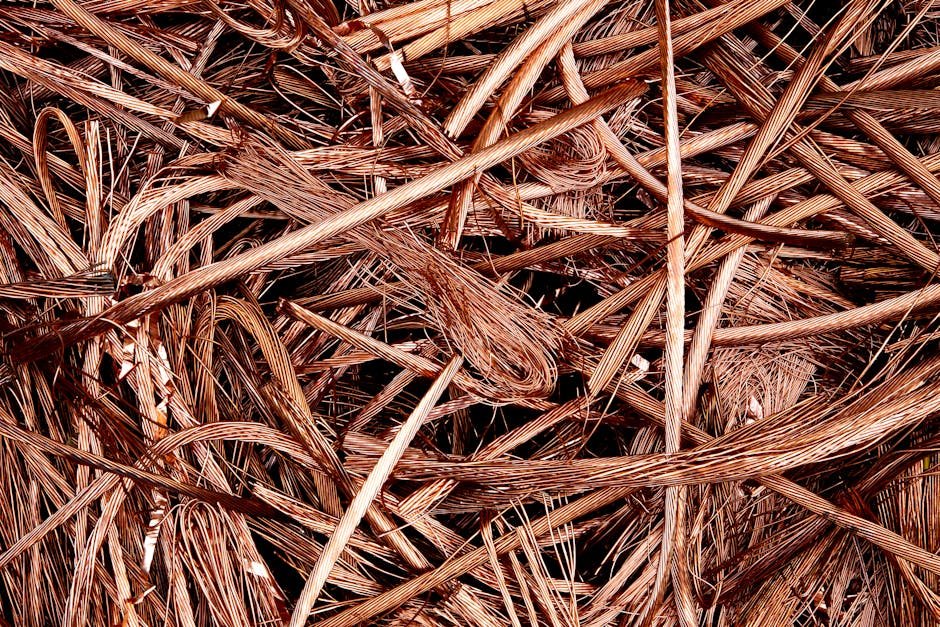
Bare Bright Copper: This is the gold standard of the industry. It consists of clean, unalloyed, uncoated, and uninsulated copper wire, typically 16-gauge or thicker. It must be free of oxidation, paint, or other contaminants. Because it requires minimal processing, it commands the highest price.
Number 1 Copper: This grade includes clean copper pipe and tubing that is free of fittings, insulation, and excessive oxidation. It is slightly less valuable than bare bright but remains a premium product for recyclers.
Number 2 Copper: This is the most common grade found in general scrap piles. It includes copper wire that has been stripped but shows signs of oxidation, or pipe that has solder or brass fittings attached. Because it requires more labor-intensive processing to reach a pure state, the copper price per kg is lower than the premium grades.
Insulated Copper Wire: This is often categorized by the percentage of copper recovery. High-quality electrical cable, such as THHN or Romex, is highly sought after. If you are looking to maximize profit, you might consider the labor involved in stripping wire versus selling it as-is. For those interested in the broader industry dynamics, our Copper Scrap Group provides deeper insights into how these grades shift based on global demand.
The Logistics of Scrap Copper Recycling Roselands
The efficiency of the recycling supply chain is what keeps the industry moving. When you bring your materials to a facility, the process follows a strict protocol: weighing, inspection, and payment. If you are dealing with large volumes, you might be comparing the logistics of Scrap Trading Vs Recycling Business models to determine whether you should sell directly to a yard or work with a broker.
For those in the immediate vicinity, finding a reliable partner is crucial. Many residents ask about Scrap Metal Recycling Near Me to minimize transport costs. If you are moving between suburbs, you may also find value in our localized guides for scrap copper recycling punchbowl or our professional advice for scrap copper recycling rydalmere. Efficiency in transport is just as important as the quality of the scrap itself.
Once the material arrives at the yard, it is weighed on certified scales. The price is then calculated based on the current daily market rate. Because copper is a commodity traded on the London Metal Exchange (LME), prices fluctuate daily. Successful traders keep a close eye on these trends to sell when the market peaks. You can track these trends and find industry resources at Scraptrade Australia, which offers comprehensive market data.
Environmental Benefits and the Circular Economy
The environmental impact of recycling copper cannot be overstated. Unlike plastics, which often degrade in quality during the recycling process, copper can be recycled indefinitely without losing its chemical or physical properties. When we prioritize scrap copper recycling, we reduce the need for destructive mining operations.
Mining for virgin copper requires massive amounts of energy and water, and it often results in habitat destruction and toxic tailings. By recycling existing copper pipe and wire, we reduce the energy consumption of production by up to 85% compared to mining and refining ore. This is a vital contribution to Australia’s carbon reduction goals. Every kilogram of recycled copper saves approximately 3.5 kilograms of CO2 emissions. By participating in local recycling initiatives, you are directly contributing to a more sustainable future.
Furthermore, the recovery of copper supports a massive ecosystem of manufacturing. From electrical grids to renewable energy infrastructure, copper is essential. As the world transitions toward electric vehicles and solar power, the demand for recycled copper will only continue to grow. This makes the scrap industry not just a way to make extra cash, but a vital component of the global green energy transition.
Practical Tips for Maximizing Your Scrap Returns
To ensure you walk away with the best possible payout, you need to treat your scrap like a professional. Here are several expert strategies for optimizing your collection:
- Segregation is King: Never mix your grades. If you mix your bare bright copper with number 2 copper, the entire batch will be graded at the lower price. Keep separate bins for different types of wire and pipe.
- Remove Contaminants: If you have copper pipe with brass fittings or lead solder, take the time to cut them off. Brass is a different alloy and will downgrade your copper price.
- Strip Your Wire (With Caution): While stripping wire can increase your grade, ensure the time spent stripping doesn’t outweigh the price difference. Use a wire stripping machine if you have high volumes.
- Build Relationships: If you are a regular trader, build a relationship with a specific yard. They are more likely to offer competitive rates to loyal customers who bring in clean, well-sorted material.
- Timing the Market: Follow the LME trends. If you aren’t in a rush to sell, wait for a market upswing.
By following these steps, you elevate your status from a casual recycler to a strategic trader. For those looking for a comprehensive platform to manage their trading activities, Scrap Trade offers the tools necessary to stay ahead of the curve.
The Future of Copper Recycling Technology
The copper recycling industry is undergoing a technological revolution. Advanced sorting technologies, such as X-ray fluorescence (XRF) and laser-induced breakdown spectroscopy (LIBS), are now being used to identify metal alloys with extreme precision. This allows recyclers to separate copper from complex electronic waste that was previously considered too difficult to process.
In the coming years, we expect to see more automated facilities in the Sydney region. This will improve the purity of the recycled output, making it even more attractive to manufacturers. As the technology improves, the barrier to entry for high-quality recycling will lower, allowing for even greater recovery rates. For the average person in Roselands, this means that even complex items like old computer motherboards or intricate electrical components will have a higher salvage value than they do today.
Safety and Compliance in Scrap Handling
Safety is the most overlooked aspect of the scrap metal industry. Handling copper wire and pipe involves sharp edges, heavy loads, and potentially hazardous materials if the scrap is sourced from industrial sites. Always wear appropriate personal protective equipment (PPE), including cut-resistant gloves and steel-toed boots.
Furthermore, compliance is critical. Ensure that the facility you deal with is licensed and follows environmental regulations. Illegal dumping or improper processing can lead to soil and water contamination. By choosing reputable, registered recyclers, you ensure that your scrap is handled in a way that protects the local Roselands environment. Always ask for a receipt and ensure the facility follows local council guidelines regarding the storage of metal waste.
Why Copper Remains the King of Metals
Copper has been used by humanity for over 10,000 years, and its properties remain unmatched. It is highly conductive, ductile, and corrosion-resistant. These characteristics make it irreplaceable in modern technology. Whether it is in the wiring of a skyscraper or the delicate circuitry of a smartphone, copper is the nervous system of our civilization. Because it is so essential, the demand for it is relatively inelastic. Even during economic downturns, the demand for copper remains steady, which provides a level of security for those involved in the scrap trade. By recycling, you are participating in a market that is fundamental to the maintenance and growth of the modern world.
Building a Business Around Scrap
If you find yourself frequently collecting large amounts of scrap, you might consider formalizing your efforts. Many successful businesses started as simple collection operations. Whether you are looking to scale up your collection or simply optimize your personal recycling, the principles of the circular economy remain the same. Focus on high-quality collection, efficient sorting, and maintaining strong relationships with local yards. As you grow, you will find that the scrap industry is a highly rewarding field that combines environmental stewardship with genuine economic opportunity. Remember, every piece of metal you recycle is one less piece that ends up in a landfill, and that is a victory for everyone involved.
In conclusion, the practice of scrap copper recycling in Roselands is an accessible and highly beneficial endeavor. By understanding the grades, optimizing your sorting process, and keeping an eye on market conditions, you can turn discarded materials into a valuable asset. The environmental benefits are clear, and the economic incentives are strong. Whether you are a hobbyist or a professional, there is a place for you in the recycling ecosystem. Start by organizing your current pile, identifying your grades, and heading to your local facility to see the difference that proper preparation makes to your bottom line.
Frequently Asked Questions
How do I know if my copper is bare bright or number 2?
Bare bright copper is shiny, uninsulated, and free of any oxidation, paint, or solder. Number 2 copper is typically duller, may have minor oxidation, or contains small amounts of solder or other attachments.
Does the copper price per kg change daily?
Yes, copper is a global commodity traded on the London Metal Exchange. Prices fluctuate daily based on supply, demand, and global economic factors.
Is it worth stripping insulation off copper wire?
It depends on the volume and the type of wire. If the wire is thick and easy to strip, it often pays more as bare copper, but for very thin wire, the time investment may not be worth the price increase.
Why is it important to sort my scrap before going to the yard?
Sorting ensures you get the maximum value for your highest-grade material. If you mix high-grade and low-grade copper, the yard will often pay you the lower rate for the entire batch.