
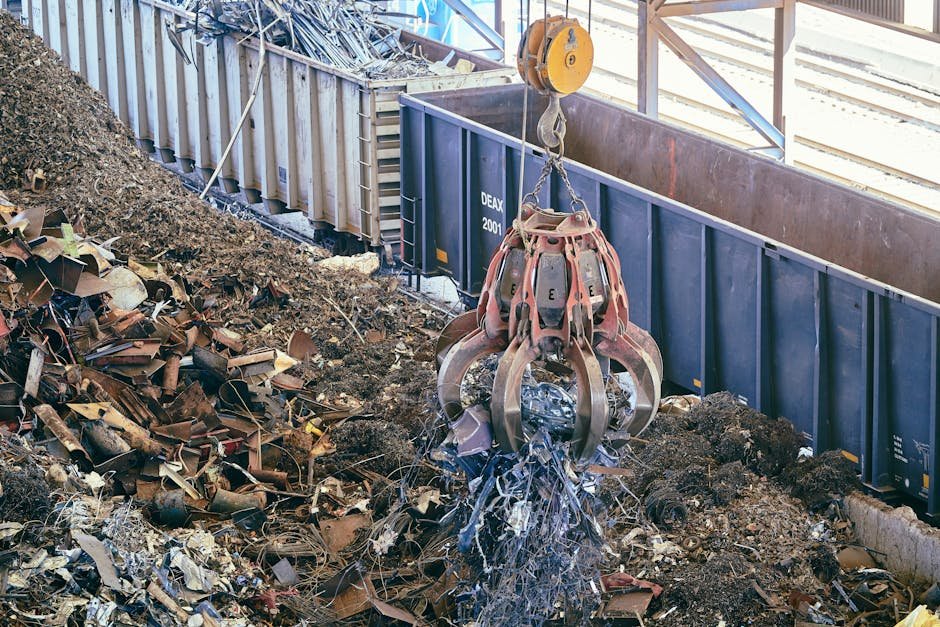

Understanding scrap metal prices lead is crucial for anyone looking to recycle this dense, valuable, and highly recyclable metal in Australia. Whether you’re a tradesperson with leftover roofing sheet, a car enthusiast replacing a battery, or a business with industrial waste, knowing the factors that determine your payout empowers you to get the best possible return. This comprehensive guide will delve into everything you need to know, from the Current Scrap Metal Prices for lead to the intricate market forces at play, the different grades you might encounter, and the significant environmental benefits of choosing to recycle.
The Current Market Value of Scrap Lead
The price per kg for scrap lead is not a fixed number; it is a dynamic figure that fluctuates daily based on a complex web of local and international factors. As of the latest market data, Australian scrap yards are generally paying between $0.80 and $1.80 per kilogram for clean lead. This translates to a price per tonne of approximately $800 to $1,800. It is absolutely essential to check the Scrap Metal Prices Near Me for the most accurate and up-to-date quotes from yards in your specific region, as transportation costs can significantly impact local offers. The lead scrap metal prices you see online are a guide, but your local yard’s lead scrap metal price is what truly matters for your transaction.
How Scrap Lead Prices Are Set
Unlike some consumer goods, the value of scrap lead is not arbitrarily decided by recyclers. Instead, it is intrinsically linked to the global commodities market. The primary benchmark is the London Metal Exchange (LME) price for refined, pure lead. Australian scrap metal merchants base their buying market rate on this international standard. However, you will never receive the full LME price for your scrap. The quoted metal prices today from a yard represent the LME price minus the costs the recycler will incur to process your material back into a pure, usable form. These costs include transportation, labour for sorting and processing, energy for smelting, and a margin for the recycler’s business. The purer and cleaner your lead is when you bring it in, the closer to the LME price you will get, as it requires less processing.
Key Factors Affecting the Cost of Scrap Lead
Several critical factors will influence the final offer you receive for your scrap lead. Understanding these will help you prepare your material to maximise its value.
- Purity and Grade: This is the single most important factor. Clean, pure, and unalloyed lead commands the highest price. Common high-value items include sheet lead, piping, and lead flashing. Contaminated lead or lead mixed with other materials will be worth significantly less.
- Volume and Weight: Scrap metal recycling is a volume business. Bringing in a larger quantity of lead, such as a full truckload, will often net you a better price per kg than arriving with just a few kilograms. Yards can process larger loads more efficiently, and they are often more motivated to negotiate on bulk.
- Global Market Demand: The worldwide demand for lead, particularly from the automotive industry for lead-acid batteries, directly impacts scrap metal prices lead. Strong industrial growth in major economies can drive prices up, while economic slowdowns can cause them to fall.
- Local Competition and Logistics: The number of scrap yards in your area affects competition. Furthermore, your distance from a major smelter or port influences the yard’s transportation costs, which will be reflected in their offer. A yard closer to a processing facility may pay more.
- Contamination: The presence of dirt, paint, other metals, or particularly plastic (as found in batteries) reduces the value. While batteries are recyclable, the lead within them must be separated, which is a cost factored into the price.
Common Grades of Scrap Lead
Scrap yards classify lead into different grades based on its form and purity. Knowing which category your material falls into will help you understand the quotes you receive.
- Clean Soft Lead: This is the premium grade. It includes unalloyed, pure lead that is free of attachments, paint, or solder. Examples are roof flashing, plumbing lead, sheet lead, and weights. This fetches the top market rate.
- Lead-Acid Batteries (Auto/Industrial): This is one of the most common sources of scrap lead. The price is lower than clean lead because the yard must break the batteries apart to separate the lead plates from the plastic casings and sulfuric acid. The value is in the lead content after processing.
- Lead with Tin (Solder): Lead-tin solder is a common alloy. While still valuable, its price is different from pure lead as the tin content changes the metallurgy. Yards will often have a specific price for solder.
- Contaminated Lead/Dross: This is the lowest grade. It includes lead that is oxidized, mixed with dirt or other debris, or is a by-product of smelting (dross or slag). It requires extensive processing to recover the pure metal and thus has the lowest value.
The Scrap Lead Recycling Process: From Waste to New Product
Recycling lead is a highly efficient closed-loop system. Here’s a step-by-step breakdown of what happens after you sell your scrap to a yard like Scrap Trade, a leading platform in Australia.
- Collection and Weigh-In: You bring your scrap lead to a yard, where it is weighed on a certified scale. The weight and agreed-upon price per kg determine your payment.
- Sorting and Preparation: Yard workers sort the lead by grade. Batteries are kept separate from clean lead. Large pieces may be cut down to size to fit into furnaces.
- Smelting and Refining: The sorted lead is fed into a large furnace and melted down. During this process, impurities rise to the surface as slag and are skimmed off. For battery recycling, this process also separates any remaining plastic.
- Purging and Alloying: The molten lead is treated to remove any final traces of impurities. It can then be alloyed with other metals (like antimony for battery plates) to meet specific customer requirements.
- Casting: The pure, molten lead is cast into large blocks called ingots. These ingots are a standardized, commodity-grade product that is sold to manufacturers.
- Manufacturing: The ingots are melted once again by manufacturers to produce new products, most commonly new lead-acid batteries, completing the recycling loop. It can also be used for radiation shielding, roofing materials, and ammunition.
Environmental and Economic Benefits of Recycling Lead
Choosing to recycle lead is one of the most environmentally responsible actions you can take. The benefits are profound.
- Conservation of Natural Resources: Recycling lead reduces the need for virgin mining. Mining for lead ore is an energy-intensive process that causes significant land disruption, soil erosion, and water pollution.
- Massive Energy Savings: Producing new lead from recycled scrap uses up to 75% less energy than producing it from virgin ore. This dramatically reduces the carbon footprint and greenhouse gas emissions associated with lead production.
- Prevention of Landfill and Toxicity: Lead is a toxic heavy metal. If disposed of in a landfill, it can leach into the soil and groundwater, posing a serious risk to ecosystems and human health. Recycling safely contains and manages this toxicity.
- Economic Stimulus: The scrap metal industry creates jobs in collection, transportation, processing, and manufacturing. It contributes significantly to the Australian economy and provides a valuable income stream for individuals and businesses.
Practical Tips for Getting the Best Price for Your Scrap Lead
To ensure you walk away from the scrap yard with the maximum possible return, follow these expert tips.
- Separate and Sort: Do not mix your clean lead with batteries or other metals. Keep different grades separate. A load of pure, clean lead will always be worth more than a mixed bag of metals.
- Clean Your Material: Take the time to remove any obvious contaminants like dirt, rubber, or plastic attachments. The cleaner the metal, the higher the grade and the better the price per kg you will be offered.
- Accumulate Volume: If possible, hold onto your scrap until you have a sizable quantity. As mentioned, yards reward volume. A few hundred kilograms will get you a better rate than a few kilograms brought in every week.
- Shop Around: Use online resources to check the latest prices from reputable yards. Call ahead or check websites for the day’s current scrap prices. Don’t just go to the first yard you find.
- Be Safe: Always wear appropriate gloves and wash your hands thoroughly after handling lead, especially old, dusty lead. If transporting car batteries, ensure they are secured upright to prevent acid leaks.
Conclusion: Turning Unused Lead into Value
Understanding the dynamics behind scrap metal prices lead transforms recycling from a simple transaction into a strategic effort. By recognising the importance of grade, purity, and market forces, you can effectively prepare your material to secure the best possible market rate. More importantly, by choosing to recycle, you are actively participating in a sustainable circular economy that conserves precious natural resources, saves enormous amounts of energy, and protects our environment from toxic pollution. Your scrap lead is not waste; it is a valuable commodity waiting to be reborn into a new product. Check the current scrap prices, sort your load, and turn your unused lead into cash while making a positive impact.
Frequently Asked Questions
What is the current price for scrap lead per kg in Australia?
As of the latest market data, the price for clean scrap lead in Australia typically ranges from $0.80 to $1.80 per kilogram. However, this is a volatile market rate that changes daily based on the London Metal Exchange and local factors, so it’s essential to check with your local yard for a precise quote.
Why do scrap lead prices fluctuate so much?
Scrap lead prices are directly tied to the global commodities market, primarily the London Metal Exchange (LME) price. Fluctuations are driven by international supply and demand, economic conditions affecting industries that use lead (like automotive for batteries), currency exchange rates, and local logistics costs for Australian recyclers.
What type of scrap lead is worth the most money?
Clean, heavy, and unalloyed lead fetches the highest price per kg. This includes roofing sheet lead, plumbing lead, pipe, and pure lead weights. The value is high because it requires minimal processing by the recycler to be melted down and reused compared to contaminated lead or lead-acid batteries.
How should I prepare my scrap lead before taking it to a yard?
To get the best price, separate your lead by grade (keep batteries away from clean lead), remove any non-metallic contaminants like dirt, plastic, or rubber, and accumulate a larger volume if possible. Calling ahead to confirm the yard’s current rates and requirements is also a highly recommended practice.