
Understanding the scrap value of steel per ton is essential for anyone involved in construction, demolition, or industrial manufacturing in Australia. Because steel is the most recycled material on the planet, its market is highly dynamic, influenced by international trade policies, the cost of iron ore, and local industrial output. Whether you are a trade contractor looking to clear a site or a facility manager managing waste streams, knowing how to categorize your material is the first step toward profitability.
The Fundamentals of Steel Grades and Classification
Not all steel is created equal. To get the best return, you must understand the distinction between various grades. Steel is a ferrous metal, meaning it contains iron and is magnetic, which is the primary trait recyclers use for initial sorting. However, within the ferrous category, pricing varies significantly based on chemical composition and physical form.
Mild steel is the most common form of scrap encountered. It is low-carbon and highly recyclable, making it the backbone of the scrap industry. When you bring in sheet metal, which is thin-gauge steel often found in roofing or automotive panels, it is often classified differently than structural steel (like I-beams or heavy plate). Structural steel is dense and highly sought after by mills because it melts down efficiently with minimal waste.
For those looking to understand the financial side of these classifications, you can check the current price for scrap steel per ton to get a baseline for your specific material grade. It is also important to note that alloyed steels, which contain elements like chromium or nickel, fall into different categories, such as stainless steel. You can learn more about the Stainless Steel Scrap Price to ensure you aren’t selling high-value alloys at standard ferrous rates.
How Global Markets Influence Steel Pricing
The scrap value of steel per ton is not a static figure. It is a commodity price that responds to the “Law of Supply and Demand” on a global scale. When steel mills in Asia or the Middle East ramp up production, demand for recycled scrap steel increases, driving up local prices in Australia. Conversely, when construction slows down, demand dips.
Factors that influence your local payout include:
- Logistics and Transport: Because steel is heavy, the cost of moving it from your site to the processing facility is a major factor.
- Processing Costs: Material that is pre-sorted and free of non-metallic contaminants (like plastic, wood, or concrete) is cheaper to process and therefore commands a higher price.
- Global Iron Ore Prices: Since steel is made from iron ore, the price of virgin iron ore acts as a ceiling for scrap prices. If iron ore is cheap, mills may prefer virgin material; if it is expensive, they rely heavily on recycled scrap.
For a detailed breakdown of how to prepare your materials to ensure you aren’t losing money on logistics, read our guide on Scrap Metal Per Ton How To Maximize Value From Your Scrap. Proper preparation is the single most effective way to improve your bottom line.
The Steel Recycling Process Explained
Recycling steel is an engineering marvel that allows the material to be reused infinitely without losing its inherent properties. The process begins at a collection point, such as a professional yard at Scraptrade.com.au, where the material is weighed and inspected.
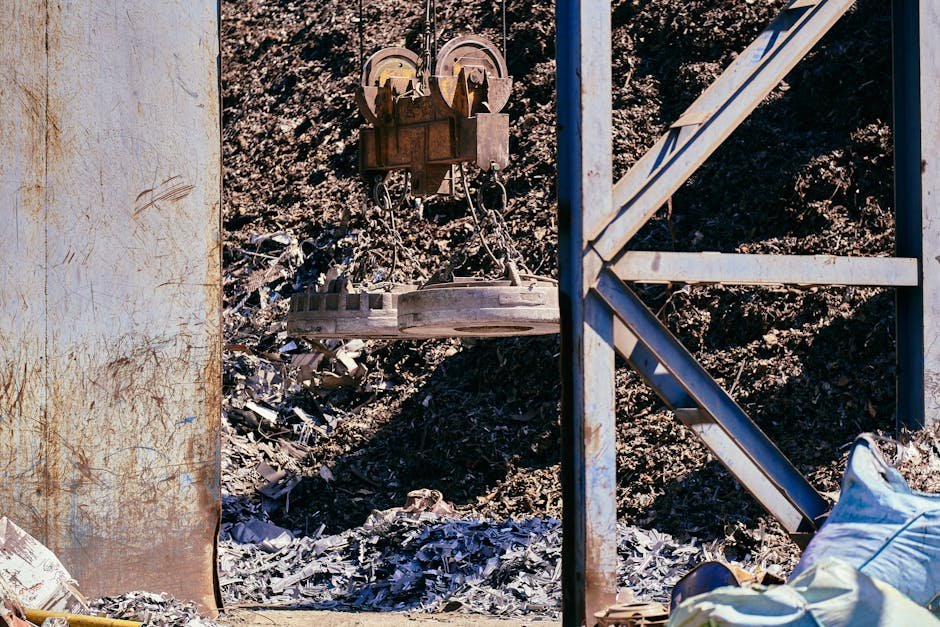
Once collected, the steel undergoes a rigorous sorting process. Powerful magnets are used to separate ferrous metals from non-ferrous ones. Afterward, the material is shredded or sheared into smaller pieces. This increases the surface-area-to-volume ratio, which makes the subsequent melting process much more energy-efficient.
The shredded steel is then fed into an Electric Arc Furnace (EAF) or a Basic Oxygen Furnace (BOF). In the EAF, high-voltage electricity creates an arc that melts the scrap steel. This molten metal is then refined, alloyed if necessary, and cast into new shapes, such as billets, slabs, or blooms, which are then rolled into new products like rebar, beams, or automotive components. This circular economy is what makes steel the most sustainable construction material available today.
Environmental Benefits of Steel Recycling
The environmental impact of recycling steel is profound. By utilizing recycled scrap instead of virgin iron ore, the industry achieves massive energy savings. Producing steel from scrap requires approximately 75% less energy than producing it from raw iron ore. This reduction in energy consumption translates directly into a lower carbon footprint for the entire manufacturing sector.
Furthermore, steel recycling prevents millions of tons of waste from entering landfills every year. It reduces the need for mining operations, which are often invasive and environmentally damaging. By choosing to recycle your scrap steel, you are contributing to a more sustainable industrial future in Australia. Every ton of recycled steel saves over a ton of iron ore, 600kg of coal, and significant amounts of limestone.
Maximizing Your Returns: Practical Tips for Sellers
To get the best scrap value of steel per ton, you need to act like a professional supplier. The most common mistake sellers make is mixing materials. If you have a bin full of high-quality structural steel mixed with low-value “light iron” or debris, the entire load will be priced at the lower rate. Always segregate your metals.
Another tip is to keep your scrap clean. Remove excessive rust, paint, or attached non-metallic components. If you are dealing with stainless steel, use a Stainless Steel Scrap Calculator Estimate Your Material Value to determine if it is worth separating from your mild steel pile. The time spent sorting is almost always recouped in the higher payout you receive at the weighbridge.
For those interested in the broader market, you can track the scrap steel cost per ton to time your sales. Selling when the market is high can significantly increase your annual revenue, especially for large-scale demolition projects. For more information on navigating the market, visit the main portal at Scrap Trade for industry news and updates.
The Future of the Australian Scrap Industry
The Australian scrap metal industry is currently undergoing a digital transformation. With the rise of real-time pricing tools and better logistics management, sellers are more empowered than ever. As Australia moves toward a net-zero future, the demand for high-quality recycled steel is expected to grow, as it is a crucial component in the production of green steel.
Future trends to watch include:
- Advanced Sorting Technology: The use of AI and optical sensors to identify metal grades in real-time.
- Traceability: Increased demand for “green steel” certificates, which track the carbon history of the recycled material.
- Local Processing: A push to keep more scrap processing within Australia rather than exporting raw scrap for overseas refining.
By staying informed and maintaining high standards for your scrap collection, you position yourself as a key player in this evolving supply chain. Whether you are dealing with small quantities of sheet metal or massive structural demolition waste, the principles of cleanliness, sorting, and market timing remain the core pillars of success.
Conclusion: Why Quality Matters
In the world of metal trading, knowledge is capital. The scrap value of steel per ton is a complex figure, but it is one that you can master by understanding grades, preparing your material correctly, and keeping a close eye on market fluctuations. By treating your scrap as a valuable resource rather than waste, you not only increase your financial returns but also support the vital environmental mission of the Australian recycling industry.
Always remember that the scrap yard is a business; they value clean, easy-to-process material. By providing them with high-quality, sorted steel, you ensure a smoother transaction and a better price. Continue to monitor market trends, refine your sorting processes, and utilize the resources available to stay ahead of the curve. The circular economy is here to stay, and your participation is what keeps the cycle turning.
Frequently Asked Questions
1. What is the difference between ferrous and non-ferrous scrap?
Ferrous metals, such as steel and iron, contain iron and are magnetic, whereas non-ferrous metals like copper, aluminium, and brass do not contain iron and are generally more valuable per kilogram.
2. Does the cleanliness of my steel affect the price?
Yes, absolutely. Contaminants like plastic, concrete, wood, or excessive dirt increase processing costs for the recycler, which leads to a lower price per ton for your material.
3. Why does the price of steel change so often?
Steel prices are driven by global supply and demand, the cost of raw materials like iron ore and coal, and international shipping rates, all of which fluctuate daily.
4. Is it better to sell small amounts or wait for a large load?
While selling large loads is often more efficient for transport, it is generally better to sell when the market is high; however, for many businesses, regular clearing of scrap is necessary to maintain a safe and organized workspace.
Frequently Asked Questions
What is the difference between ferrous and non-ferrous scrap?
Ferrous metals, such as steel and iron, contain iron and are magnetic, whereas non-ferrous metals like copper, aluminium, and brass do not contain iron and are generally more valuable per kilogram.
Does the cleanliness of my steel affect the price?
Yes, absolutely. Contaminants like plastic, concrete, wood, or excessive dirt increase processing costs for the recycler, which leads to a lower price per ton for your material.
Why does the price of steel change so often?
Steel prices are driven by global supply and demand, the cost of raw materials like iron ore and coal, and international shipping rates, all of which fluctuate daily.
Is it better to sell small amounts or wait for a large load?
While selling large loads is often more efficient for transport, it is generally better to sell when the market is high; however, for many businesses, regular clearing of scrap is necessary to maintain a safe and organized workspace.