
Understanding the price of scrap copper is essential for anyone looking to maximize returns on industrial, construction, or domestic metal waste. As a critical component in the global transition toward renewable energy, copper remains one of the most sought-after commodities in the circular economy. Whether you are a professional contractor or a homeowner clearing out a shed, knowing how to value your materials is the first step in successful scrap metal trading. The Scrap Copper market is dynamic, and staying informed about current trends is key to ensuring you receive a fair payout for your materials.
How the Price of Scrap Copper is Determined
The price of scrap copper is not arbitrary; it is tethered to the London Metal Exchange (LME), which sets the global benchmark for base metals. When you search for the scrap copper price, you are essentially looking at a localized reflection of these global commodity trends. Several factors influence these daily fluctuations, including currency exchange rates, mining production levels, and geopolitical stability. Because the Australian dollar is a commodity-linked currency, the value of our exports often shifts in alignment with global demand for raw materials.
Furthermore, local supply and demand dynamics play a massive role. If a major infrastructure project in your state requires vast amounts of wiring, local scrap yards may increase their buying rates to secure inventory. Conversely, if global manufacturing slows down, the copper scrap price may soften. To get the most accurate data, you should always check Scrap Copper Prices Near Me to see how local competition is currently valuing your specific haul.
Grading Your Scrap: From Bare Bright to Number 2
Not all copper is created equal. The purity of the metal is the primary determinant of its value. When recycling, you must categorize your materials into specific grades to ensure you are paid correctly. Understanding these grades is the difference between a standard payout and a premium return.
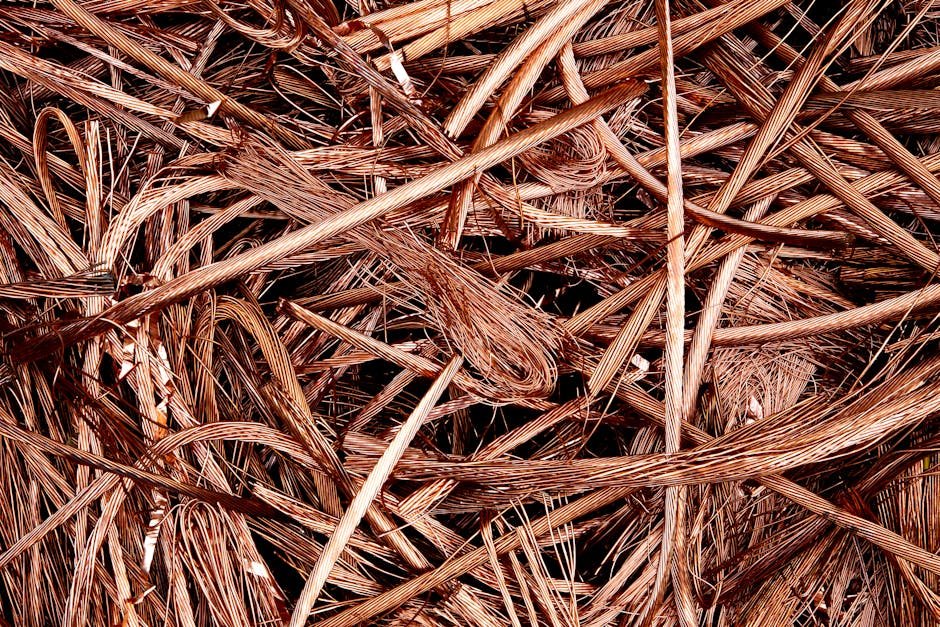
- Bare Bright Copper: This is the gold standard. It consists of unalloyed, uncoated, and uninsulated copper wire, typically 16 gauge or thicker. It must be free of oxidation, paint, or solder to qualify for the highest market rates.
- Number 1 Copper: This grade includes clean, unalloyed copper pipe or heavy wire that is free of insulation and paint. It may show slight signs of oxidation but must be free of solder or other attachments.
- Number 2 Copper: This grade is more common in general recycling. It includes copper that has been soldered, painted, or contains minor impurities. It is still highly valuable but commands a lower price than bare bright because it requires additional processing to reach refinery-grade purity.
- Insulated Copper Wire: This is graded based on the copper content inside the plastic casing. High-voltage cables and data cables have different copper-to-plastic ratios, which significantly impacts the final value per kilogram.
By separating your metals before heading to the yard, you save the recycler time and labor, which often translates into a better price for you. Always consult with the experts at Scrap Trade Australia to ensure you are sorting your materials for maximum value.
The Process of Copper Recycling
Copper recycling is a highly efficient process that consumes significantly less energy than mining virgin ore. When you bring your scrap to a facility, the material is weighed, inspected, and then sorted. For insulated wires, specialized machines called “granulators” are used to strip the plastic casing from the metal. The resulting copper “chop” is then melted down in furnaces to create standardized ingots or billets.
Because copper is infinitely recyclable without losing its chemical or physical properties, it is a cornerstone of sustainable manufacturing. The energy savings from recycling copper compared to primary production are estimated to be around 85%. This makes the trade of scrap metal not just a profitable endeavor, but an environmentally responsible one. As we look toward the future, the demand for recycled materials will only grow, especially when considering the projected Aluminum Scrap Price In 2026 and other base metal trends that suggest a long-term bull market for secondary raw materials.
Factors Affecting Metal Prices Today
To stay ahead in the industry, you must monitor metal prices today. Several macroeconomic indicators influence these trends:
- Global Demand: The automotive and construction sectors are the largest consumers of copper. Increased activity in these sectors drives up prices.
- Energy Costs: The cost of electricity and fuel directly impacts the cost of processing and transporting scrap metal.
- Inventory Levels: If LME warehouses report low stock levels, the price of copper often spikes due to fears of a supply crunch.
- Scrap Availability: A high volume of scrap entering the market can occasionally suppress prices, though the insatiable global demand for copper usually keeps this effect minimal.
For those interested in the broader market, visiting the main portal at Scrap Trade provides a comprehensive view of how various metals are performing in the current economic climate.
Practical Tips for Maximizing Your Payout
If you want to get the best copper price per kg, follow these expert strategies:
- Clean your scrap: Remove non-metallic attachments like plastic, wood, or steel screws. The cleaner the load, the higher the grade.
- Store it properly: Keep your copper dry and out of the elements. While copper doesn’t rust like iron, it does oxidize, which can lower its grade from “bare bright” to “number 1” or “number 2.”
- Build a relationship: If you are a tradesperson generating regular scrap, establish a relationship with a local yard. Regular suppliers often get access to better pricing tiers.
- Time your sales: If you have a large stockpile, watch the market. Selling during a peak in the LME cycle can result in a significantly higher total payout.
Environmental Benefits and the Circular Economy
The environmental impact of copper mining is substantial, involving massive open-pit excavations and significant water usage. By participating in copper recycling, you are directly reducing the need for new mining operations. This conserves natural habitats, reduces carbon emissions from refining, and keeps waste out of landfills. Every kilogram of copper that is recycled is a kilogram that doesn’t need to be extracted from the earth, preserving our resources for future generations. This is the essence of the circular economy—keeping materials in use for as long as possible.
Future Outlook for Copper Trading
The transition to electric vehicles (EVs) and renewable energy infrastructure is set to keep copper in high demand for decades. EVs require significantly more copper for their motors and batteries than internal combustion engine vehicles. Similarly, wind turbines and solar arrays rely heavily on copper for conductivity. As a result, the long-term outlook for the price of scrap copper remains robust. Investors and recyclers alike should view scrap copper as a vital asset class that will continue to play a pivotal role in the global economy. Staying informed, sorting your materials correctly, and choosing the right trading partners will ensure you remain profitable in this evolving market.
Frequently Asked Questions
Frequently Asked Questions
What is the difference between number 1 and number 2 copper?
Number 1 copper is clean, unalloyed, and free of solder or paint, making it more valuable. Number 2 copper contains minor impurities like solder, paint, or oxidation, which requires additional processing.
Does the price of scrap copper change daily?
Yes, scrap copper prices are linked to global commodity markets like the London Metal Exchange. These prices fluctuate daily based on supply, demand, and currency exchange rates.
How can I get the best price for my copper scrap?
To get the best price, ensure your copper is clean, sorted by grade, and free of non-metallic attachments. Building a relationship with a reputable local yard can also help you secure better rates.
Why is copper recycling important for the environment?
Copper recycling saves approximately 85% of the energy required for primary mining and refining. It also reduces landfill waste and preserves natural resources by keeping existing metal in the production cycle.