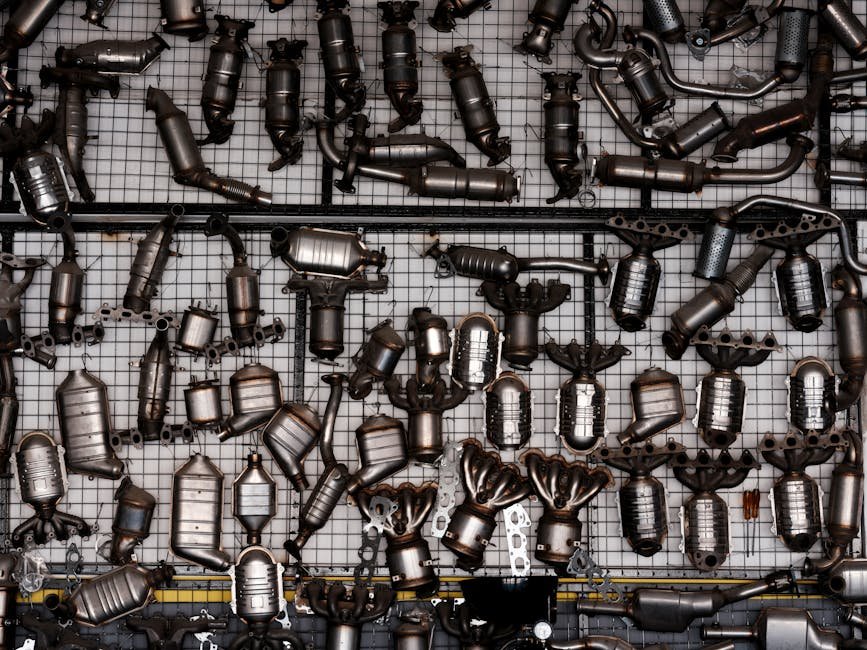

Understanding who buys platinum from catalytic converters is the first step for anyone looking to enter the lucrative world of precious metal recycling. Catalytic converters are essential components in modern vehicles, designed to reduce toxic emissions by facilitating chemical reactions that convert harmful gases into less damaging substances. These devices contain a honeycomb-like ceramic structure coated with a washcoat of precious metals, specifically platinum, palladium, and rhodium. Because these Platinum Group Metals (PGMs) are incredibly rare and high in value, the market for recycling these components has grown significantly. If you are wondering who buys platinum from catalytic converters, you must look for reputable organizations that possess the technology to refine these metals efficiently.
The Value of Platinum Group Metals in Catalytic Converters
The core value of a cat converter lies in its chemical makeup. Manufacturers use platinum, palladium, and rhodium because of their unique catalytic properties. Platinum is highly efficient at oxidizing carbon monoxide and hydrocarbons. Palladium is often used in conjunction with platinum to improve the efficiency of the conversion process, while rhodium is critical for reducing nitrogen oxides. The concentration of these metals varies significantly depending on the vehicle’s make, model, and year of manufacture. As global emission standards tighten, the demand for these metals remains high, making them a target for professional scrap buyers.
When you look for who buys platinum from catalytic converters, you are essentially looking for an intermediary that bridges the gap between the scrap yard and the industrial refinery. These buyers use X-ray fluorescence (XRF) technology to analyze the exact metal content of the honeycomb material. Understanding the market fluctuations of these metals is crucial. For those looking to dive deeper into the industry, our Sell Platinum Scrap Jewelry Catalytic Converters Industrial 2026 Guide provides an extensive breakdown of how these markets have evolved and what to expect in the coming years.
How to Identify Trusted Buyers in Australia
In the Australian market, identifying a trusted dealer is paramount to ensuring fair pricing and legal compliance. Not every scrap buyer is equipped to handle the complex extraction process required for PGMs. A legitimate buyer will always provide transparent pricing based on the current “spot price” of the metals contained within the unit. They should also be able to provide documentation regarding their environmental practices and licensing.
When searching for a partner, consider their reputation in the industry. Look for companies that provide detailed assay reports. A professional metal buyer will often have a physical facility where you can inspect their operations. For those starting out, it is highly recommended to consult resources like Ecotrade Group Catalytic Converters to understand the standards expected of high-level processors. Furthermore, if you are looking for localized services, check out the resources provided by professional scrap metal trading platforms in Australia to ensure you are dealing with entities that adhere to local regulations.
The Refining Process: From Scrap to Precious Metal
The process of extracting platinum from a catalytic converter is a sophisticated industrial operation. It begins with the collection and sorting of the units. Once collected, the converters are cut open to remove the ceramic monolith or metallic substrate. This material is then crushed into a fine powder, a process known as milling. The resulting dust undergoes a sampling process to determine the exact concentration of platinum, palladium, and rhodium.
After sampling, the material is sent to a refinery where it undergoes a series of chemical processes, including smelting and leaching. These techniques separate the precious metals from the ceramic substrate. This is why it is so important to sell your scrap to a specialized scrap buyer who understands this value chain. If you are unsure about the condition of your units, reading about Selling Catalytic Converters How To Maximize Your Profit Safely will give you the necessary knowledge to prepare your materials for the best possible return.
Maximizing Your Profit: Tips for Sellers
Profitability in the scrap metal industry is not just about finding a buyer; it is about knowing the value of what you hold. Many sellers make the mistake of selling converters based on a flat rate without understanding the specific metal load. To maximize your profit, you should:
- Sort by Serial Number: Most manufacturers stamp a serial number on the converter shell. Use this to look up the specific metal content in online databases.
- Keep Units Intact: Do not attempt to remove the honeycomb material yourself. Buyers prefer intact units to ensure no material is lost during the extraction process.
- Monitor Market Trends: The prices for rhodium and palladium can be volatile. Time your sales to coincide with market peaks.
- Build Relationships: Establishing a long-term relationship with a trusted dealer often leads to better pricing tiers.
For more specific advice on where to take your inventory, you can find detailed information on where to sell platinum from catalytic converters. This resource helps you navigate the logistical side of the business, ensuring you don’t lose value through improper handling or shipping.
Legal and Environmental Considerations
The scrap metal industry is subject to strict environmental regulations in Australia. Catalytic converters contain hazardous materials, and the extraction process must be handled in facilities that prevent the release of toxic dust into the environment. When you choose a buyer, ensure they have the necessary environmental permits. Illegal or “backyard” buyers often bypass these regulations, which can lead to significant environmental damage and potential legal liabilities for the seller.
Furthermore, ensure that your scrap is sourced legally. Reputable buyers will require proof of ownership or a clear chain of custody. This is a standard practice to prevent the trade of stolen goods. By working with established organizations found through the leading scrap trading platform, you protect yourself from legal risks and contribute to the circular economy.
The Future of Catalytic Converter Recycling
As the automotive industry shifts toward electric vehicles (EVs), many wonder about the future of PGM recycling. While EVs do not use catalytic converters, the millions of internal combustion engine vehicles currently on the road will continue to require maintenance and, eventually, recycling for decades to come. Additionally, the technology used to refine platinum from converters is being adapted for other industrial applications, such as hydrogen fuel cell catalysts.
The demand for platinum and palladium will remain robust for the foreseeable future. If you are looking to generate consistent money for used catalytic converters, now is the time to optimize your collection process. Staying informed about technological shifts will ensure your business remains relevant as the automotive landscape changes. For those looking to scale their operations, refer back to our guide on money for used catalytic converters to understand the long-term economic outlook of this sector.
Logistics and Transporting Your Scrap
Transporting catalytic converters requires careful handling. Because they are heavy and often contain hazardous residue, they should be stored in secure, dry containers. When shipping your scrap to a buyer, ensure that the units are clearly labeled and that you have a detailed inventory list. Many professional buyers offer pickup services for large quantities, which can significantly reduce your logistical costs.
Always verify the shipping requirements of your chosen metal buyer. Some may require specific packaging to prevent damage to the ceramic core during transit. By treating your scrap with professional care, you ensure that the assay results remain accurate, which directly impacts the final payout you receive. Remember, the cleaner and more organized your inventory, the easier it is for the buyer to process, which often translates to faster payment terms.
Conclusion
Navigating the world of precious metal recycling requires a blend of industry knowledge, strategic planning, and the right partnerships. By understanding the chemical value of your scrap, identifying trusted dealers, and adhering to environmental and legal standards, you can turn a waste product into a significant revenue stream. Whether you are a small-scale collector or an industrial operator, the principles of transparency and quality control remain the same. Use the resources provided in this guide to connect with the right buyers and stay ahead of market trends. As the industry continues to evolve, your commitment to ethical and efficient recycling will ensure your long-term success in the scrap metal market.
Frequently Asked Questions
How do I know if my catalytic converter is valuable?
The value is determined by the specific amount of platinum, palladium, and rhodium inside. You can check the value by looking up the serial number stamped on the unit’s casing in a professional catalytic converter database.
Is it legal to sell scrap catalytic converters in Australia?
Yes, it is legal provided you are selling to a licensed scrap metal dealer. You should always be prepared to provide identification and proof of ownership to comply with local regulations.
Why do prices for catalytic converters change so often?
The price of catalytic converters is directly tied to the global market spot prices of platinum, palladium, and rhodium. These commodities fluctuate daily based on supply, demand, and industrial usage.
Can I remove the ceramic honeycomb from the converter shell?
It is generally advised against. Professional buyers prefer the unit to be intact because it ensures the material has not been tampered with or contaminated, which allows for a more accurate assay.