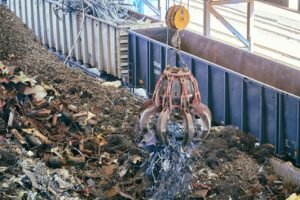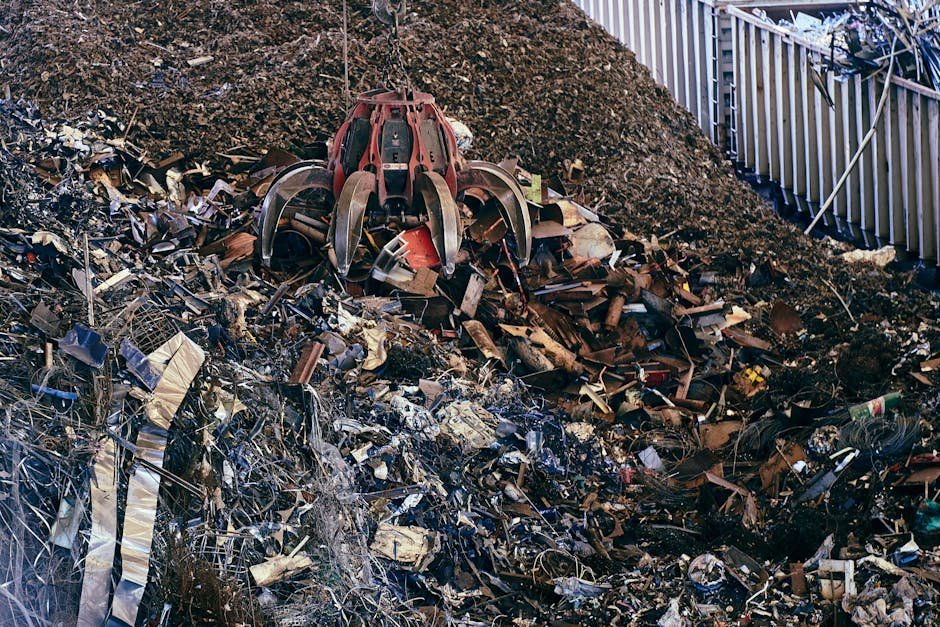

Understanding the landscape of scrap metal vervale operations is essential for both commercial contractors and residential recyclers looking to maximize the value of their metal waste. As the industry evolves, staying informed about market trends, proper sorting techniques, and environmental regulations ensures that you are not only contributing to a circular economy but also securing the best financial outcomes for your materials. Whether you are a local business owner or a homeowner clearing out a shed, knowing how to navigate the local market is the first step toward efficient waste management.
The Economics of Scrap Metal Recycling
The global scrap metal industry is a cornerstone of the modern manufacturing sector, and Vervale serves as a vital node in this supply chain. When you choose to Scrap Metal Recycling Near Me, you are participating in a sophisticated process that transforms discarded items into high-value raw materials. The economic benefit is two-fold: it reduces the energy-intensive process of mining and refining virgin ores while providing a steady stream of income for those who collect and trade scrap. To understand the current market value of your haul, it is always recommended to check the latest Scrap Metal Prices before heading to a yard. Market volatility is common, driven by global demand for steel, aluminum, and copper, meaning that timing your sales can significantly impact your bottom line. For those looking for reliable partners, our platform connects you with trusted recycling facilities across the region.
Understanding Metal Grades and Classification
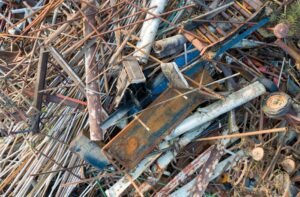
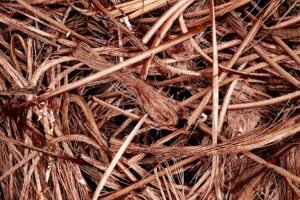
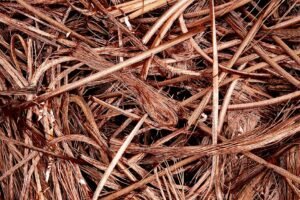
Successful recycling begins with accurate identification. Metals are broadly categorized into ferrous and non-ferrous groups, each with distinct market values and processing requirements. Ferrous metals, such as iron and steel, are magnetic and are typically found in construction materials, old appliances, and automotive parts. While they are usually lower in price per kilogram compared to non-ferrous metals, their high volume makes them a staple for many scrap yards. Non-ferrous metals, including copper, aluminum, brass, and lead, are highly prized for their corrosion resistance and conductivity. Copper, in particular, remains one of the most valuable materials in the scrap metal vervale sector due to its extensive use in electrical wiring and plumbing. Sorting your scrap by grade before arriving at the yard is the most effective way to ensure you receive the highest possible payout. If you are unsure about your metal types, consult our specialized metal identification guide to avoid contamination, which can downgrade the value of your entire load.
How the Recycling Process Works
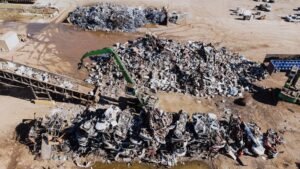
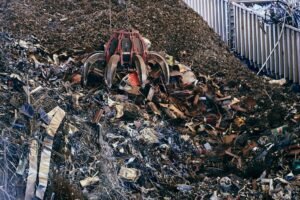
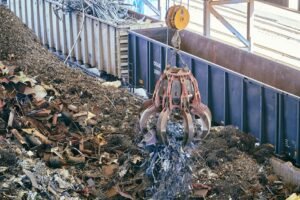
The journey from scrap to new product is a multi-stage industrial process. Once metal is collected, it undergoes a rigorous inspection to ensure it is free from contaminants like plastic, hazardous fluids, or excessive rust. The material is then weighed on certified scales to determine its value. Following the weighing, the scrap is processed through shredders, shears, or hydraulic balers to reduce its physical footprint, making it easier to transport to smelting facilities. In the case of non-ferrous metals, advanced technologies such as X-ray fluorescence (XRF) analyzers are used to determine the exact chemical composition of the alloy, ensuring that high-grade materials are separated from impurities. This level of precision is what makes the scrap metal vervale industry a highly technical field. By maintaining clean, sorted scrap, you assist the yard in bypassing preliminary processing steps, which often translates to better pricing for the seller.
Environmental Benefits of Metal Recycling
The environmental impact of recycling scrap metal cannot be overstated. Extracting virgin metal from the earth is an incredibly energy-intensive process that results in massive carbon emissions and habitat destruction. By recycling, we save up to 95% of the energy required to produce aluminum from bauxite ore, and similar energy savings are seen in the production of steel and copper. Furthermore, diverting metal waste from landfills prevents heavy metals from leaching into groundwater and soil. When you recycle your scrap, you are actively participating in the reduction of greenhouse gases and the conservation of finite natural resources. For those in the surrounding areas, this commitment to sustainability is shared by those who manage scrap metal tecoma, ensuring that the entire region adheres to high environmental standards. Choosing to recycle is a direct contribution to a greener future for Australia.
Maximizing Your Returns: Practical Tips
To ensure you are getting the most out of your scrap, preparation is key. First, keep your metals separated by type. Mixing copper with steel will result in the entire batch being valued at the lower steel rate. Second, clean your scrap. Removing non-metallic attachments like plastic casings, rubber seals, or wood frames significantly increases the purity of your load. Third, keep an eye on market trends. If you have a large quantity of material, it might be worth holding onto it until market conditions improve. If you are ready to move your inventory, look for a facility that buys scrap metal with transparent weighing and grading practices. For those planning their next trip, our guide on how to Sell Scrap Metal Near Me In 2026 provides a roadmap for long-term success in the recycling market.
Safety and Legal Considerations
Safety is paramount when handling scrap metal. Always wear appropriate personal protective equipment (PPE), including heavy-duty gloves and steel-toed boots, to protect against sharp edges and heavy objects. Be aware of the risks associated with pressurized containers or sealed units, which can be dangerous if mishandled. Legally, most reputable scrap yards are required to keep records of transactions to prevent the trade of stolen goods. Expect to be asked for identification when selling significant quantities of metal. This regulation protects the industry and ensures that the recycling ecosystem remains legitimate and secure for all participants.
The Future of Metal Recycling in Australia
As we look toward 2026 and beyond, the scrap metal industry is poised for significant technological advancements. Automation in sorting, improved smelting efficiency, and a stronger focus on the circular economy will define the next decade. The integration of digital platforms, like our own, is already making it easier for individuals and businesses to track prices, find buyers, and understand the value of their waste. By staying engaged with these developments, you position yourself to benefit from a more efficient and profitable recycling landscape. The commitment to responsible metal management in regions like Vervale is a testament to the growing awareness of our collective responsibility to the planet.
Conclusion
Recycling is more than just a way to clear out clutter; it is a vital industrial service that supports the Australian economy and protects our natural environment. By understanding the different grades of metal, the importance of sorting, and the market forces that drive pricing, you can turn your scrap into a valuable asset. Whether you are a professional tradesperson or a casual recycler, the tools and knowledge shared in this guide will help you navigate the process with confidence. Start your journey today by organizing your materials and connecting with local experts who value quality and sustainability.
Frequently Asked Questions
What is the most valuable scrap metal I can collect?
Copper is generally the most valuable common scrap metal due to its high demand in electrical and plumbing industries. Other high-value metals include brass, stainless steel, and aluminum.
Do I need to clean my scrap metal before taking it to a yard?
Yes, cleaning your scrap by removing non-metallic components like plastic, rubber, or wood will significantly increase its value. Clean, sorted metal is much easier for yards to process and commands a higher price.
Why do scrap metal prices change so frequently?
Scrap metal prices fluctuate based on global supply and demand, the cost of raw materials, energy prices, and currency exchange rates. These factors influence how much smelters are willing to pay for recycled metal.
What documentation do I need to sell scrap metal?
Most professional scrap yards require a valid government-issued photo ID to complete a transaction. This is a legal requirement designed to ensure transparency and prevent the sale of stolen property.