
Overview of Scrap Metal Villawood
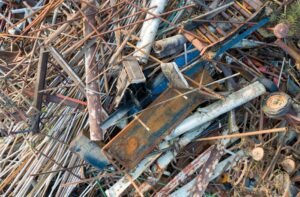
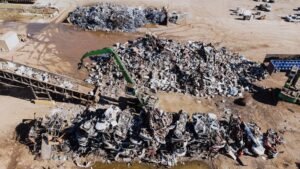
Villawood, a suburb in western Sydney, has become a hub for metal recycling thanks to its strategic location near major transport corridors and a growing community of environmentally‑conscious businesses. scrap metal villawood refers to any ferrous or non‑ferrous metal discarded by households, construction sites, or manufacturers that is collected for reuse. The local market handles everything from household appliances to large industrial off‑cuts, turning waste into a valuable commodity while supporting the circular economy.
Key Grades of Scrap Metal in Villawood
Understanding the grades of metal is essential for both sellers and recyclers, as price and processing methods vary dramatically. Below are the most common categories you will encounter in Villawood:
- Ferrous Metals – Primarily iron and steel. Includes:
- Heavy Melting Steel (HMS): Large steel sections, beams, and pipe.
- Stainless Steel: Grades 304, 316, and 430, often sourced from kitchen equipment.
- Galvanised Steel: Coated steel used in roofing and fencing.
- Non‑Ferrous Metals – Metals that do not contain iron. Includes:
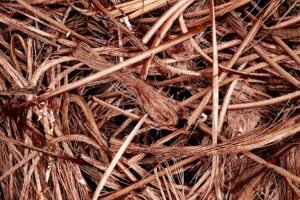
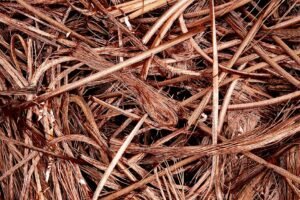
- Copper: High‑purity wire, tubing, and electrical components.
- Aluminium: Beverage cans, window frames, and vehicle panels.
- Brass & Bronze: Valves, fittings, and musical instrument parts.
- Lead: Batteries and roofing material, handled under strict safety protocols.
- Mixed Scrap – Unsorted collections that require further separation at the processing plant.
Each grade commands a distinct price point, which is reflected daily on the Scrap Metal Prices page. Accurate identification maximises revenue and reduces processing time.
How the Recycling Process Works in Villawood
The journey from your bin to a new product involves several meticulously controlled stages. Below is a step‑by‑step overview of the typical workflow for scrap metal villawood:
- Collection: Local councils, private haulers, and drop‑off centres gather scrap from residential and commercial sources. Many residents use the Scrap Metal Recycling Near Me service to schedule pick‑ups.
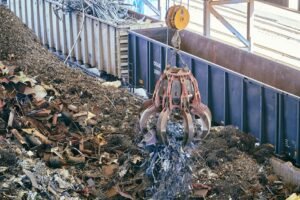
- Transportation: Collected material is loaded onto low‑emission trucks and taken to the Villawood processing facility, which is equipped with weighbridges for precise tonnage recording.
- Initial Sorting: Large magnets separate ferrous from non‑ferrous metals. Manual labour and optical sorters then isolate grades such as copper, aluminium, and stainless steel.
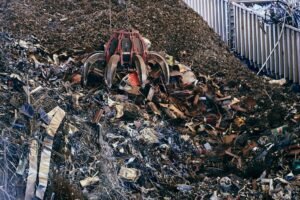
- Shredding & Size Reduction: Metals are fed into industrial shredders that cut them into uniform pieces, increasing surface area for the furnace.
- Melting: Ferrous metals enter an electric arc furnace, while non‑ferrous metals are melted in induction furnaces. Temperature control and flux additives remove impurities.
- Refining & Casting: Molten metal is poured into molds to form ingots, billets, or slabs. These semi‑finished products are then sold to manufacturers for new construction, automotive, or consumer goods.
- Quality Assurance: Each batch undergoes chemical analysis to ensure it meets industry standards before shipment.
The entire process reduces the need for virgin ore extraction, conserving energy and lowering greenhouse‑gas emissions.
Environmental Benefits of Recycling Scrap Metal
Recycling metal offers quantifiable environmental advantages, many of which are especially relevant to the Villawood community:
- Energy Savings: Recycling aluminium saves up to 95% of the energy required to produce primary aluminium from bauxite. For steel, the savings can reach 74%.
- Reduced CO₂ Emissions: Lower energy consumption translates directly into fewer carbon emissions. The Australian government estimates that every tonne of recycled steel prevents the release of approximately 1.8 tonnes of CO₂.
- Landfill Diversion: Metal does not decompose, so sending it to landfill occupies space indefinitely. Recycling redirects this material back into productive use.
- Conservation of Natural Resources: Recycling reduces demand for mining, preserving ecosystems and biodiversity.
- Water Conservation: Metal extraction is water‑intensive; recycling cuts water use dramatically, benefiting drought‑prone regions of New South Wales.
Collectively, these benefits align with Australia’s National Waste Policy and the state’s commitment to a net‑zero emissions target by 2050.
Economic Impact and Pricing Trends
Beyond environmental gains, scrap metal villawood drives local economic activity. The sector creates jobs in collection, sorting, furnace operation, and logistics. Moreover, price volatility on the global commodities market directly influences the profitability of local recyclers.
Key factors affecting Scrap Metal Prices include:
- International demand for steel and aluminium in construction and automotive sectors.
- Exchange rates, particularly the AUD/USD pair.
- Domestic policy changes, such as export tariffs on raw metal.
- Seasonal construction cycles that increase demand for certain grades.
For businesses seeking to maximise revenue, timing the sale to coincide with market peaks is essential. The Sell Scrap Metal Near Me In 2026 guide provides a forecast model based on historical data and upcoming infrastructure projects.
Practical Tips for Residents and Businesses
Whether you are a homeowner clearing out a garage or a construction firm with daily off‑cuts, the following best practices will help you get the most out of your scrap:
- Separate Materials Early: Keep ferrous and non‑ferrous metals separate to avoid cross‑contamination.
- Remove Non‑Metal Attachments: Plastic, wood, or rubber components reduce the value of your load.
- Know the Grade: Identify whether your metal is HMS, stainless, copper, etc., before dropping it off.
- Schedule Pick‑Ups: Use the Scrap Metal Recycling Near Me service to arrange convenient collection times.
- Stay Informed on Prices: Check the daily price board on the Scrap Metal Prices page to negotiate the best rate.
- Consider Bulk Shipments: If you have large quantities, the bulk scrap metal service offers discounted transport fees.
- Leverage Local Networks: The ingleburn scrap metal community often shares tips on efficient sorting and upcoming market trends.
Following these steps not only improves your payout but also supports the efficiency of Villawood’s recycling infrastructure.
Regulations, Compliance, and Safety
Australia’s waste‑management framework imposes strict rules on the handling of scrap metal. Key legislation includes the National Environment Protection (Waste) Measure and the NSW Environment Protection Authority (EPA) Act. Compliance requirements for scrap metal villawood operators include:
- Maintaining a licence for the collection and processing of hazardous metals such as lead and cadmium.
- Implementing a documented chain‑of‑custody system to track material from source to sale.
- Providing workers with personal protective equipment (PPE) and training on safe handling of sharp or heavy objects.
- Ensuring that all transport vehicles meet emission standards and are equipped with load‑securing devices.
Failure to adhere can result in fines exceeding AUD 100,000 and reputational damage. The Scrap Trade platform offers resources to help businesses stay compliant.
Conclusion: Maximising Value While Protecting the Planet
Villawood’s thriving scrap metal ecosystem demonstrates how a community can turn waste into wealth. By understanding the grades of metal, following the recycling workflow, and embracing best practices, both individuals and businesses can secure higher payouts and contribute to substantial environmental gains. The synergy between market economics, regulatory compliance, and sustainability makes scrap metal villawood a model for other Australian suburbs.
Ready to start? Visit Scrap Trade Australia for a full suite of services, from price monitoring to bulk logistics, and join the growing network of responsible recyclers today.
Frequently Asked Questions
What types of metal are most valuable in Villawood?
Copper, aluminium, stainless steel, and high‑grade ferrous steel (HMS) consistently fetch the highest prices due to strong demand in construction and manufacturing.
How often are scrap metal prices updated?
Prices are refreshed daily on the Scrap Metal Prices page to reflect changes in global commodity markets and local demand.
Can I recycle hazardous metals like lead at the Villawood facility?
Yes, but you must follow strict EPA guidelines, use appropriate PPE, and inform the facility in advance so they can handle the material safely.
Is there a minimum amount required for bulk scrap metal collection?
While there is no strict minimum, bulk collection services become cost‑effective when you have at least one tonne of material, and discounts are offered for larger loads.