
Navigating the world of scrap metal recycling can be a profitable and environmentally conscious endeavour, especially when you have a trusted local scrap metal yard Seven Hills to work with. Whether you’re a seasoned tradesperson with regular off-cuts or a homeowner clearing out the garage, understanding the process, the different grades of metal, and the significant benefits of recycling is essential. This comprehensive guide will serve as your authoritative resource, covering everything from the first step of sorting your scrap to the final stage where it is transformed back into a valuable commodity. Choosing the right Metal Scrap Yard Near Me is the first step in this important cycle.
Understanding Scrap Metal Grades: From Household to Industrial
Not all scrap metal is created equal. The value of your scrap is determined by its type, purity, and market demand. A professional metal recycler will sort incoming materials into distinct categories to ensure efficient processing and fair pricing. Here’s a breakdown of the most common grades you’ll encounter.
Ferrous Metals: The Magnetic Majority
Ferrous metals contain iron, making them magnetic. They are the most commonly recycled metals by volume but generally hold a lower value per kilogram than non-ferrous metals. The primary ferrous metal is steel, which is found in countless items.
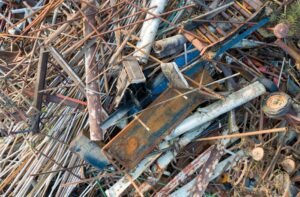
- Light Iron/Steel: This category includes thin, sheet-based metals. Think old filing cabinets, car body panels, washing machine drums, and non-reinforced fencing. It’s often processed by a giant baling machine into compact cubes for shipping to mills.
- Heavy Melting Steel (HMS): This is thick, structural steel. Common examples are beams from construction sites, large machinery parts, and reinforced steel bars (rebar). HMS is typically divided into two grades (HMS 1 and HMS 2) based on thickness and purity.
- Cast Iron: Recognizable by its rough, grainy texture and brittleness, cast iron is used in engine blocks, old-fashioned bathtubs, radiators, and some types of piping. It’s often processed separately due to its different chemical composition.
For those specifically dealing with this material, a dedicated scrap steel yard seven hills will have the specialized equipment to handle and process it efficiently.
Non-Ferrous Metals: The High-Value Stars
Non-ferrous metals do not contain iron, are not magnetic, and are typically more resistant to corrosion. This category includes some of the most valuable materials you can bring to a scrap yard.
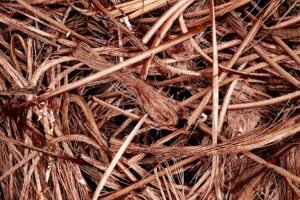
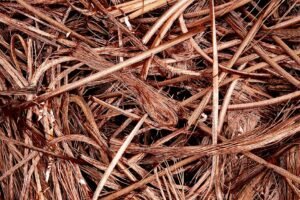
- Copper: The king of scrap metal. Its high conductivity makes it extremely valuable. It is graded by purity:#1 copper (clean, uncoated wire and tubing), #2 copper (slight oxidation or solder), and light copper (thin, contaminated sheet).
- Aluminium: Lightweight and common. Grades include clean extrusions (window frames), sheet aluminium (clean siding), cast aluminium (engine parts, lawnmower housings), and contaminated mix (dirty foil, painted siding). Beverage cans are often processed separately.
- Brass & Bronze: These are copper alloys. Brass (copper and zinc) is found in plumbing fixtures, door handles, and ammunition casings. Bronze (copper and tin) is used in statues, bearings, and some marine applications.
- Stainless Steel: A special ferrous alloy that behaves like a non-ferrous metal due to its corrosion resistance. It is valued higher than regular steel. Common grades include 304 (non-magnetic, kitchen sinks) and 400 series (magnetic, automotive parts).
- Lead, Zinc, and Precious Metals: Lead (from batteries and roofing), zinc (from die-cast parts), and minute amounts of precious metals like gold and silver (from electronics) are also recycled but require careful handling.
The Scrap Metal Recycling Process: A Step-by-Step Journey
Ever wondered what happens after you drop off your load at a recycling depot? The process is a sophisticated cycle of collection, processing, and remanufacturing.
Step 1: Collection and Weigh-In
The journey begins when you, the seller, bring your scrap to a scrap metal yard Seven Hills. Most facilities are walk-in friendly for individuals and can accommodate larger commercial deliveries. Your vehicle is driven onto a large, certified industrial scale to be weighed full, a process known as ‘weigh-in’.
Step 2: Sorting and Grading
Once your load is dropped in the designated area, the crucial sorting begins. Experienced staff will separate the materials by type and grade. This is where your pre-sorting at home pays off; cleaner, well-sorted loads often command better prices and make the yard’s job easier. Magnets are used to quickly separate ferrous from non-ferrous metals.
Step 3: Processing and Preparation
To make transportation and melting more efficient, scrap is often processed on-site. This can involve:
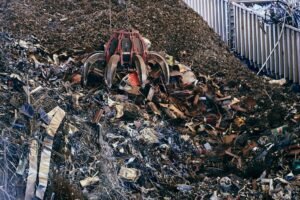
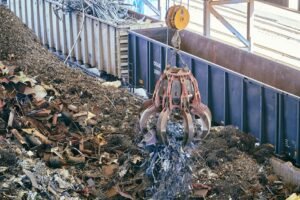
- Shearing: Using powerful hydraulic machinery to cut large pieces of thick steel into smaller, more manageable sizes.
- Baling: Compressing light iron and non-ferrous metals like aluminium cans into dense, uniform bales that are easy to stack and ship.
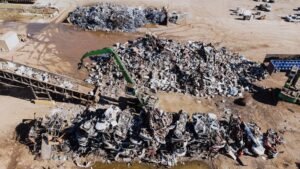
- Shredding: For end-of-life vehicles and appliances, giant shredders tear the material into small fist-sized pieces. These pieces are then further separated using magnets, air currents, and other methods to isolate different metals.
Step 4: Melting and Purification
The processed scrap is then sold and transported to smelters and mills. Here, it is melted down in massive furnaces. Each type of metal requires a specific furnace and melting temperature. During melting, impurities are skimmed off the top or treated with fluxes, resulting in a pure molten metal ready for forming.
Step 5: Solidification and New Product Manufacturing
The purified molten metal is cast into ingots, bars, or sheets. These new raw materials are then sold to manufacturers who use them to create brand new products. A recycled aluminium can be back on the shelf as a new can in as little as 60 days, completing the loop in an incredibly efficient circular economy.
Maximising Your Return: Practical Tips for Sellers
Whether you’re a first-time seller or a regular, these tips will help you get the most value from your trip to a yard that will buy and sell scrap.
- Sort and Clean: Time spent separating metals by type and removing contaminants (like plastic, rubber, glass, and dirt) is an investment. A load of clean, sorted copper wire is worth significantly more than a tangled mess of insulated wire.
- Know Before You Go: Call ahead or check the yard’s website for their current pricing list. Prices fluctuate daily based on global commodity markets. Understand their grading definitions to present your scrap accurately.
- Safety First: Never attempt to remove material from an active construction site, railway, or other property without explicit permission. Ensure any tanks or containers are completely empty and safe. Wear gloves and sturdy boots when handling scrap.
- Build a Relationship: Developing a rapport with a reputable yard like Zores Scrap Yard Your Trusted Destination For Scrap Metal or Mohawk Scrap Yard Your Go To Destination For Scrap Metal Trading can lead to better service and insider knowledge on market trends.
The Profound Environmental Benefits of Scrap Metal Recycling
Choosing to recycle your metal is one of the most effective individual actions you can take for the environment. The benefits are staggering and multifaceted.
Conservation of Natural Resources and Energy Savings
Mining virgin ore is an incredibly destructive and energy-intensive process. It involves clearing vast tracts of land, using immense amounts of water, and consuming fossil fuels for machinery and transportation. Recycling metal drastically reduces this burden. For example:
- Recycling steel uses 75% less energy than producing it from raw materials.
- Recycling aluminium saves a remarkable 95% of the energy required to make new aluminium from bauxite ore.
- Recycling copper uses 85% less energy than traditional mining and refining.
This massive energy saving directly translates to a reduced carbon footprint and lower greenhouse gas emissions, helping to combat climate change.
Reduction in Landfill Waste
Metal is permanent; it does not biodegrade. Diverting scrap metal from landfill preserves valuable and limited landfill space for waste that cannot be recycled. It also prevents soil and water contamination that can leach from metals and products containing them (like car batteries).
Protection of Ecosystems
By reducing the demand for new mining operations, metal recycling helps preserve natural habitats, protects biodiversity, and prevents the pollution of rivers and groundwater with mining byproducts. It is a direct contribution to the conservation of Australia’s unique and fragile ecosystems.
Choosing the Right Scrap Metal Yard in Seven Hills
Not all yards operate to the same standards. When looking for a scrap metal seven hills partner, consider these factors to ensure a positive experience.
- Reputation and Reviews: Check online reviews and ask for recommendations from local tradespeople. A reputable yard will be known for fair pricing, transparent practices, and good customer service.
- Licensing and Compliance: Ensure the yard is fully licensed and complies with all environmental and safety regulations. This protects you from any potential liability and ensures the metal is handled responsibly.
- Transparent Pricing: The best yards have clear, upfront pricing displayed and are happy to explain their grading process. They use certified scales, and you should always receive a detailed docket outlining the weight and price for each metal type.
- Range of Services: Some yards offer additional services like on-site bin hire for larger commercial projects or even pick-up services for significant loads, adding convenience for their customers. A platform like Scrap Trade can help connect you with multiple reputable yards to compare services and offers.
The Economic Impact: Recycling as an Industry
The scrap metal industry is a significant contributor to the Australian economy, particularly in industrial hubs like Western Sydney. It is not just about individual transactions; it’s a major export industry and a critical link in the national and global manufacturing supply chain. The industry creates jobs in logistics, processing, engineering, and administration. It supports local manufacturing by providing a cheaper, domestic source of raw materials, making Australian businesses more competitive. By fostering a circular economy, the scrap metal trade built on platforms like Scrap Trade adds economic value while simultaneously delivering environmental gains, proving that ecological responsibility and economic prosperity can go hand-in-hand.
Conclusion: Your Role in the Circular Economy
Visiting a scrap metal yard Seven Hills is far more than a simple transaction; it is an active participation in a sustainable, circular economy. By understanding the grades of metal, the intricate recycling process, and the profound environmental and economic benefits, you can approach scrap recycling with confidence and purpose. Your effort to sort and sell scrap metal directly conserves Australia’s natural resources, saves energy, reduces pollution, and supports a vital local industry. So, the next time you have metal to dispose of, remember that it is not waste—it is a valuable resource waiting to begin its next life.
Frequently Asked Questions
What do I need to bring to sell scrap at a Seven Hills yard?
You will need a valid form of government-issued photo identification, such as a driver’s licence. This is a mandatory requirement under state legislation to help prevent the sale of stolen goods. You should also bring your sorted and cleaned scrap metal to ensure you get the best possible price.
How are scrap metal prices determined?
Scrap metal prices are primarily determined by global commodity markets, which fluctuate daily based on supply and demand. The price you receive is also heavily influenced by the type and grade of your metal, its purity, and the quantity you are selling. Local yard overheads and processing costs are also factored into the final offer.
Can I recycle a car at a scrap metal yard in Seven Hills?
Yes, most scrap yards in Seven Hills accept end-of-life vehicles (ELVs). They are experts in de-polluting vehicles, responsibly draining fluids like oil and coolant, and then shredding the car to recover the ferrous and non-ferrous metals. You will need to provide proof of ownership and may receive payment based on the vehicle’s weight and current scrap rates.
What metals should not be brought to a scrap yard?
You should avoid bringing any hazardous materials that are not pure metal. This includes items containing asbestos, pressurised gas cylinders (unless pre-approved by the yard), chemical drums that have not been professionally cleaned, and certain types of radioactive materials (e.g., old smoke detectors). If in doubt, always call the yard beforehand for guidance.