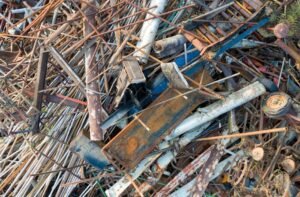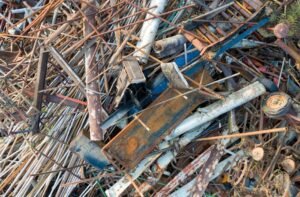

Scrap metals are a valuable commodity that plays a significant role in the recycling process in Australia. The country’s strong recycling culture has led to a thriving scrap metal industry, with many individuals and businesses participating in the collection and recycling of scrap metals. Scrap metals can be found in various forms, including ferrous and non-ferrous metals, and are typically collected from households, businesses, and manufacturing facilities.
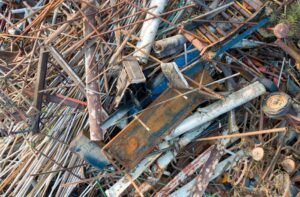
Ferrous metals, such as steel and iron, are the most common type of scrap metal and are often collected from construction and demolition sites, as well as from household waste. These metals are highly recyclable and are typically sold to steel mills and foundries for reuse in the production of new steel products. Non-ferrous metals, such as copper, aluminum, and brass, are also highly valued and are often collected from electrical appliances, electronics, and other consumer goods.
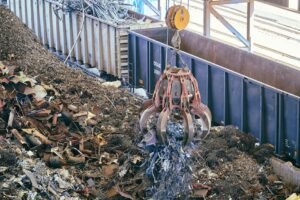
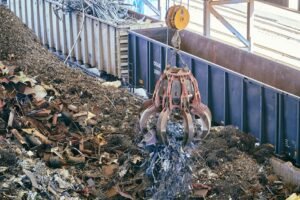
The scrap metal recycling process involves several steps, including collection, sorting, and processing. Scrap metals are typically collected from various sources and transported to a recycling facility, where they are sorted and processed according to their type and quality. The metals are then melted down and reformed into new products, such as steel beams, aluminum cans, and copper wiring. This process not only conserves natural resources but also helps to reduce the amount of waste sent to landfills.
In Australia, scrap metal recycling is regulated by various laws and regulations, including the Australian Government’s National Waste Policy and the State and Territory Government’s waste management plans. Scrap dealers and recyclers are required to comply with these regulations, which include requirements for the safe handling and storage of scrap metals, as well as the proper documentation of transactions. Online platforms, such as https://scrap.trade, provide valuable resources and information for scrap metal recyclers, including market prices, industry news, and business directories.
For individuals and businesses looking to participate in the scrap metal recycling industry, there are several options available. Many scrap yards and recycling facilities offer cash-for-scrap programs, which allow individuals to sell their scrap metals for cash. Some facilities also offer collection services, where they will collect scrap metals from households and businesses and recycle them on behalf of the owner. With the increasing demand for recycled materials, the scrap metal industry is a growing and lucrative market for those looking to make a profit from recycling.
For those looking to get involved in the scrap metal recycling industry, it’s essential to do your research and understand the different types of scrap metals, their market values, and the regulations surrounding the industry. With the right knowledge and resources, individuals and businesses can make a significant impact on reducing waste and contributing to a more sustainable environment.
FAQs:
Q: What is the difference between ferrous and non-ferrous metals?
A: Ferrous metals are iron-based metals, such as steel and iron, while non-ferrous metals are metals that do not contain iron, such as copper, aluminum, and brass.
Q: How do I know if a scrap metal is valuable?
A: The value of a scrap metal depends on its type, quality, and market demand, which can be researched on online platforms like https://scrap.trade.
Q: Are there any regulations I need to follow when handling and selling scrap metals?
A: Yes, scrap dealers and recyclers are required to comply with various laws and regulations, including the Australian Government’s National Waste Policy and State and Territory Government’s waste management plans.