
Scrap metals recycling Deer Park is a critical component of sustainable waste management and resource conservation. With the growing demand for eco-friendly solutions, understanding the grades of scrap, the recycling process, and the environmental benefits is essential for individuals and businesses in the region. This guide provides an in-depth look at how scrap metals are categorized, recycled efficiently, and repurposed to support a circular economy.
Grades of Scrap Metals in Deer Park
Scrap metals are divided into two primary categories: ferrous and non-ferrous. These classifications determine their recycling value, applications, and processing methods.
Ferrous Metals
- Composition: Ferrous metals contain iron and are magnetic.
- Common Examples: Steel, iron, and alloys like cast iron.
- Recycling Process: Ferrous metals are melted down in blast furnaces. The high iron content allows them to be recycled repeatedly without losing structural integrity.
- Applications: Used in construction, automotive, and infrastructure projects.
Non-Ferrous Metals
- Composition: Non-ferrous metals lack iron and are non-magnetic.
- Common Examples: Aluminum, copper, brass, and stainless steel.
- Recycling Process: Non-ferrous metals are sorted using X-ray fluorescence (XRF) technology. They are melted at lower temperatures than ferrous metals.
- Applications: Used in electronics, plumbing, and aerospace industries due to their conductivity and corrosion resistance.
How Scrap Metal Recycling Works in Deer Park
The recycling process in Deer Park involves four key stages: collection, sorting, processing, and reuse.
1. Collection and Transportation
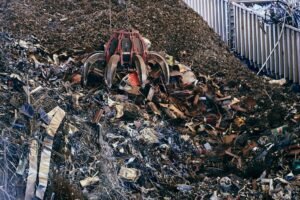
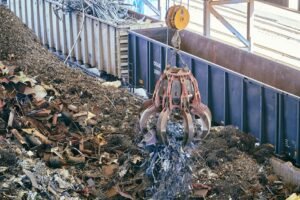
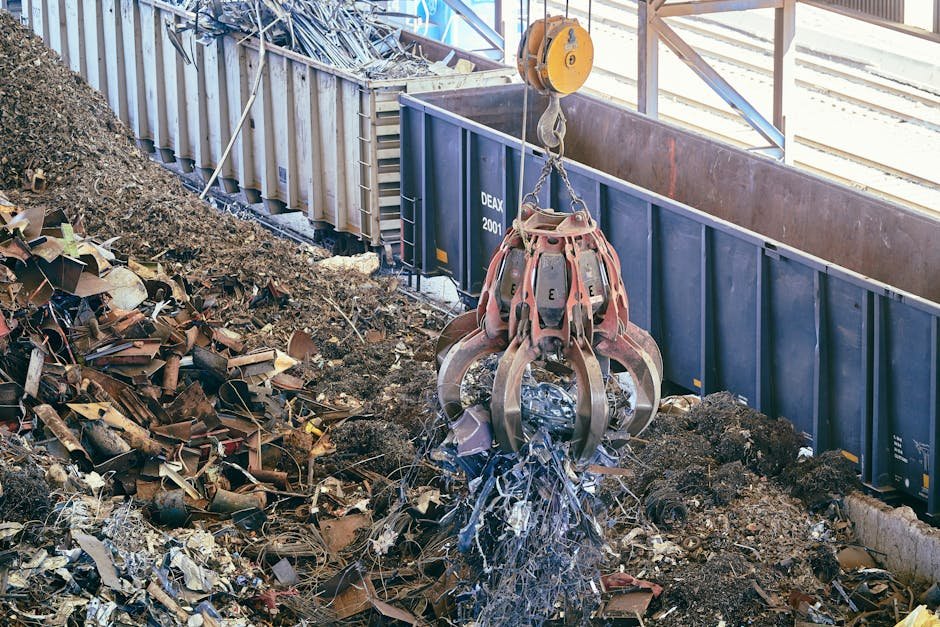
Individuals and businesses collect scrap metals, often through partnerships with local scrap metal recycling near me providers. Large volumes are transported to recycling facilities via specialized trucks equipped with magnetic cranes for ferrous metals.
2. Sorting and Grading
- Mechanical Sorting: Metals are separated using conveyor belts, magnets, and eddy current separators.
- Manual Inspection: Workers identify contaminants like dirt or non-metallic materials.
- Grading: Metals are categorized by type, purity, and size to determine market value.
3. Processing
- Shredding and Melting: Metals are shredded into smaller pieces to increase surface area for melting. Ferrous metals are melted in blast furnaces, while non-ferrous metals use electric arc furnaces.
- Purification: Impurities are removed through chemical treatments or skimming.
4. Reuse and Manufacturing
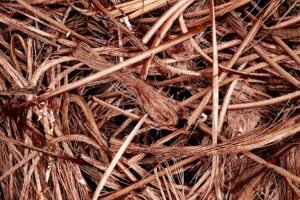
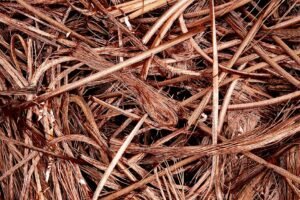
Recycled metals are sold to manufacturers to produce new products. For example, scrap trading businesses in Deer Park supply recycled copper to wire manufacturers and aluminum to beverage can producers.
Environmental Benefits of Scrap Metal Recycling
Recycling scrap metals in Deer Park offers significant environmental advantages over traditional mining and production methods.
1. Conservation of Natural Resources
- Reduced Mining: Recycling 1 ton of aluminum saves 14,000 kWh of energy and 4 cubic yards of landfill space.
- Lower Water Usage: Recycling copper uses 90% less water than mining new copper.
2. Energy Efficiency
- Energy Savings: Producing steel from recycled scrap requires 60% less energy than from iron ore.
- Carbon Emissions: Recycling aluminum reduces CO2 emissions by 95% compared to primary production.
3. Waste Reduction
- Landfill Diversion: Scrap metals account for 10% of global landfill waste. Recycling prevents hazardous materials like heavy metals from contaminating soil and water.
- Debris Removal: Cleaning up abandoned vehicle parts and construction waste helps beautify communities.
Practical Tips for Selling and Recycling Scrap Metals
Maximize value and compliance when recycling scrap metals in Deer Park with these expert tips:
- Document Ownership: Maintain records for scrap metal purchases to avoid legal issues under the Allied Scrap Metal guidelines.
- Sort by Grade: Separate ferrous and non-ferrous metals to increase your payout. Some recyclers offer bonuses for clean, sorted materials.
- Check Market Trends: Monitor prices for materials like copper and steel on platforms like Scrap Trade to sell during peak demand periods.
- Safety Precautions: Wear gloves and goggles when handling sharp or heavy scrap. Avoid transporting hazardous materials like lead-acid batteries unless licensed.
Choosing the Right Scrap Metal Recycling Service in Deer Park
Selecting a reliable recycler ensures competitive pricing, timely service, and compliance with environmental regulations.
- License Verification: Confirm the recycler is accredited by the Scrap Trade Australia certification program.
- Reputation: Read reviews on platforms like Google Maps and check for any history of environmental violations.
- Convenience: Choose a facility with a scrap metal Deer Park location that offers free pickup for large volumes.
- Transparency: Request a written quote that includes grading criteria, payment terms, and pickup schedules.
Case Study: Scrap Metals Recycling in Deer Park
A local construction company in Deer Park recently recycled 50 tons of steel beams and copper wiring through scrap metals recycling Williamstown. The project saved $12,000 in disposal costs and reduced their carbon footprint by 25%. By partnering with a certified recycler, they ensured compliance with Australian environmental laws while supporting local job creation in the metal recovery sector.
Future of Scrap Metal Recycling in Australia
With Australia aiming to achieve net-zero emissions by 2050, the role of scrap metals recycling Deer Park will expand. Innovations like AI-based sorting systems and electric-powered recycling plants are set to increase efficiency. The government’s 2023 Circular Economy Strategy also emphasizes partnerships between recyclers and manufacturers to create closed-loop supply chains.
Frequently Asked Questions
What are the main grades of scrap metals in Deer Park?
Scrap metals in Deer Park are divided into ferrous (iron-based, magnetic) and non-ferrous (non-iron, non-magnetic) grades. Ferrous includes steel and iron, while non-ferrous examples are aluminum, copper, and brass.
How does recycling scrap metals benefit the environment?
Recycling reduces the need for mining raw materials, conserves energy, and lowers greenhouse gas emissions. For instance, recycling aluminum uses 95% less energy than producing it from bauxite ore.
Can I recycle hazardous materials like car batteries?
Yes, but hazardous materials must be handled by licensed recyclers. Many scrap metal recycling near me services include safe disposal of lead-acid batteries and other toxic substances.
What documents do I need to sell scrap metals in Deer Park?
Maintain proof of ownership for all scrap materials and provide ID when selling. Some recyclers may require a business license if you’re representing a company.