
The scrap post you are reading serves as a definitive guide to understanding the grades of scrap, how recycling works, and the environmental advantages of metal recovery in Australia.
Overview of Scrap Grading
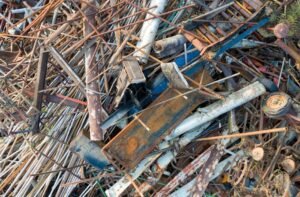
Scrap grading is the systematic classification of discarded metal based on its chemical composition, physical state, and contamination level. Accurate grading maximises value, reduces processing costs, and ensures compliance with Australian standards such as AS/NZS 4999. The most common categories are ferrous (iron‑based) and non‑ferrous (copper, aluminium, zinc, lead, etc.). Within each category, sub‑grades differentiate clean, uncoated, painted, or alloyed material.
Understanding these grades is essential for anyone looking to Sell Scrap or operate a recycling facility. Higher‑grade material commands premium prices because it requires less energy to re‑melt and produces fewer impurities.
How Recycling Works: From Collection to Re‑use
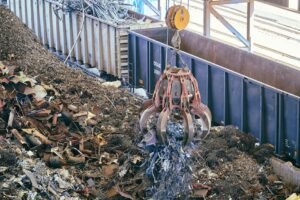
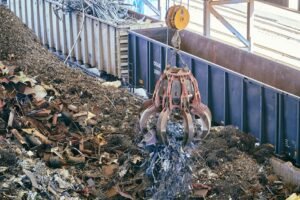
The recycling chain begins with the collection of metal waste, often referred to as scrap in. Collection points include demolition sites, manufacturing leftovers, and household appliances. Once gathered, the material undergoes scrap processing, which typically follows these steps:
- Sorting: Manual or automated separation of ferrous and non‑ferrous streams using magnets, eddy‑current separators, and optical sensors.
- Shredding: Reducing large pieces to uniform fragments, which improves downstream melting efficiency.
- Separation: Density‑based techniques (e.g., sink‑float, air classification) isolate specific alloys.
- Melting: Induction furnaces or electric arc furnaces melt the sorted scrap, often with a small percentage of virgin metal to achieve target chemistry.
- Refining: Chemical or electrolytic processes remove residual contaminants, producing high‑purity ingots ready for manufacturing.
Each stage adds value and reduces the carbon intensity of the final product. For a deeper dive into the fundamentals of the industry, read What Is Scrap Trade.
Environmental Benefits of Metal Recycling
Recycling metal conserves natural resources, reduces greenhouse‑gas emissions, and lessens landfill pressure. According to the Australian Department of Industry, recycling one tonne of steel saves up to 1.5 tonnes of iron ore and cuts CO₂ emissions by roughly 1.5 t. Aluminium recycling saves 95% of the energy required for primary production, translating to a 12‑tonne CO₂ reduction per tonne recycled.
These benefits extend beyond climate impact. By diverting metal from landfill, communities avoid soil and water contamination caused by leaching of heavy metals. Moreover, recycled metal supports a circular economy, creating jobs in collection, processing, and manufacturing sectors.
Key Grades of Ferrous Scrap
Ferrous scrap dominates the Australian market due to the country’s strong steel industry. The principal grades include:
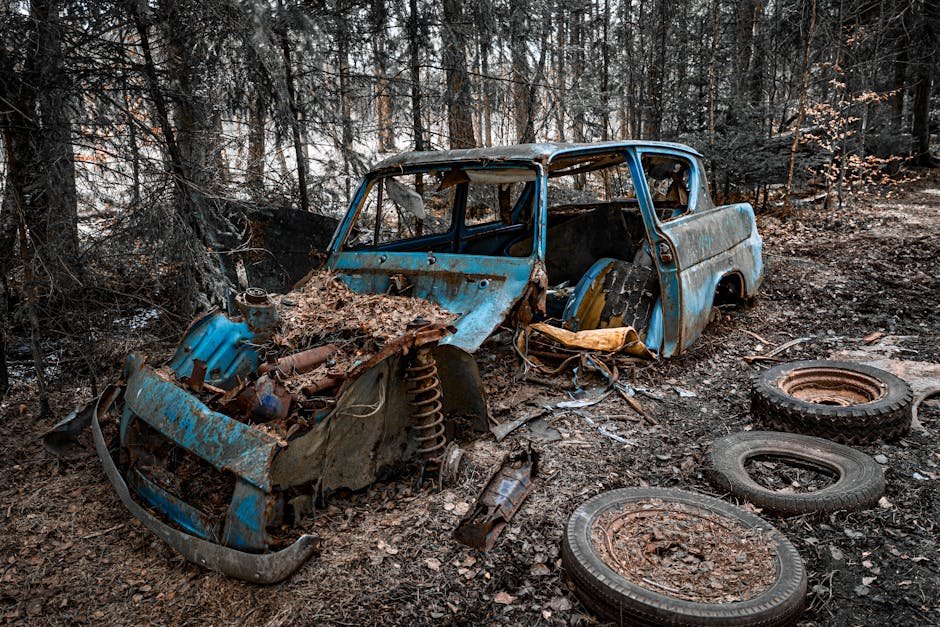
- Heavy Melting Steel (HMS) 1 & 2: Clean, uncoated steel pieces, typically from old car bodies, ship hulls, and structural steel. HMS‑1 is the highest grade, containing ≤2% copper.
- Stainless Steel Scrap: Segregated by type (304, 316, etc.) and condition (clean, painted, or contaminated). Stainless grades retain high nickel and chromium content, making them valuable for medical and food‑processing equipment.
- Turned Steel: Machined parts such as bolts, gears, and shafts. The precision of the original component often yields a higher resale price.
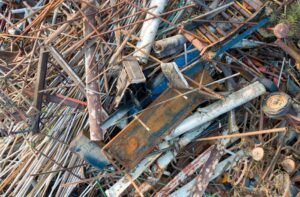
- Shredded Steel: Mixed ferrous material that has been shredded; it requires further separation but offers a cost‑effective feedstock for electric arc furnaces.
Accurate identification of these grades enables sellers to command better rates on platforms like Australian scrap marketplace.
Key Grades of Non‑Ferrous Scrap
Non‑ferrous metals are prized for their conductivity, corrosion resistance, and lightweight properties. Major grades include:
- Copper Wire: Bare, stripped, or insulated copper wire. Bare copper commands the highest price; insulated wire is deducted for plastic content.
- Aluminium Castings: Clean, unmixed aluminium from automotive engines, aircraft parts, and consumer goods. Grades are often classified by alloy series (e.g., 3000, 6000).
- Brass & Bronze: Alloyed copper‑zinc or copper‑tin materials used in fittings, musical instruments, and decorative items.
- Lead‑Acid Battery Scrap: Lead plates and acid‑resistant containers. Strict environmental regulations require safe handling and recycling of the acid.
- Zinc Die‑Casting: High‑purity zinc from automotive and appliance components, frequently sold in 1‑tonne bundles.
Because non‑ferrous metals often contain higher value per tonne, proper segregation and cleaning are critical. Companies that excel at Scrap segregation can achieve up to 30% higher revenue.
Practical Tips for Selling and Handling Scrap
Whether you are a small contractor or a large demolition firm, these best practices improve profitability and safety:
- Pre‑sort on site: Separate ferrous from non‑ferrous and remove obvious contaminants (e.g., plastics, wood) before transport.
- Document grades: Keep records of weight, grade, and source. Transparent documentation builds trust with buyers and facilitates compliance with the Australian Taxation Office.
- Use calibrated scales: Accurate weight measurement prevents disputes and ensures you receive fair payment.
- Maintain clean containers: Residual oil or chemicals can downgrade material grade. Rinse metal where feasible.
- Leverage online platforms: List your inventory on reputable sites like ScrapTrade Australia to reach a broader buyer base and obtain real‑time market prices.
When you are ready to move inventory, the Sell Scrap portal offers a streamlined quoting system, instant price updates, and scheduled pick‑up services.
Regulatory and Safety Considerations in Australia
Australian scrap dealers must comply with the National Environment Protection (Movement of Controlled Waste) Measure and state‑specific licensing regimes. Key obligations include:
- Environmental licences: Required for facilities that store, process, or transport hazardous scrap such as lead‑acid batteries or painted steel.
- Work health and safety (WHS) protocols: Use personal protective equipment (PPE), implement lock‑out/tag‑out procedures on shredders, and provide training on manual handling.
- Reporting: Submit regular waste movement records to state environmental agencies to track the flow of scrap and ensure traceability.
Non‑compliance can result in hefty fines and reputational damage, underscoring the importance of staying current with legislation.
Future Trends in Australian Scrap Recycling
Technological advances are reshaping the industry. Automated sorting systems using AI and hyperspectral imaging improve grade purity, while blockchain‑based traceability platforms enhance transparency across the supply chain. Additionally, the rise of electric vehicles is generating new sources of aluminium and copper, prompting refiners to adapt processing capacities.
Staying informed about these trends helps businesses maintain competitive advantage and align with national sustainability goals.
In summary, this scrap post equips you with the knowledge to navigate grades, optimise recycling workflows, and capitalise on the environmental and economic benefits of metal recovery. By applying the guidelines above, you can increase profitability, meet regulatory requirements, and contribute to a greener Australian economy.
Frequently Asked Questions
What are the main grades of ferrous scrap in Australia?
The primary ferrous grades are Heavy Melting Steel (HMS) 1 and 2, stainless steel, turned steel, and shredded steel. Each grade varies by purity, coating, and intended end‑use.
How does metal recycling reduce greenhouse‑gas emissions?
Recycling metal avoids the energy‑intensive extraction of ore. For example, recycling aluminium saves up to 95% of the energy needed for primary production, cutting CO₂ emissions dramatically.
What safety measures are required when handling scrap metal?
Operators should wear PPE, follow lock‑out/tag‑out procedures on machinery, and ensure proper ventilation when cutting or shredding. Regular training and compliance with WHS regulations are essential.
Where can I find current market prices for scrap metal in Australia?
Current prices are published on industry portals, brokerage services, and platforms such as the Australian scrap marketplace. Real‑time updates are also available through online trading sites.