
The scrap price for alloy wheels in Australia is a critical metric for both individual sellers and commercial recyclers. As automotive technology evolves and environmental regulations tighten, understanding the dynamics of alloy wheel pricing has become essential. This comprehensive guide will walk you through current market values, grade classifications, and the economic and environmental implications of metal recycling.
Understanding Alloy Wheel Scrap Grades
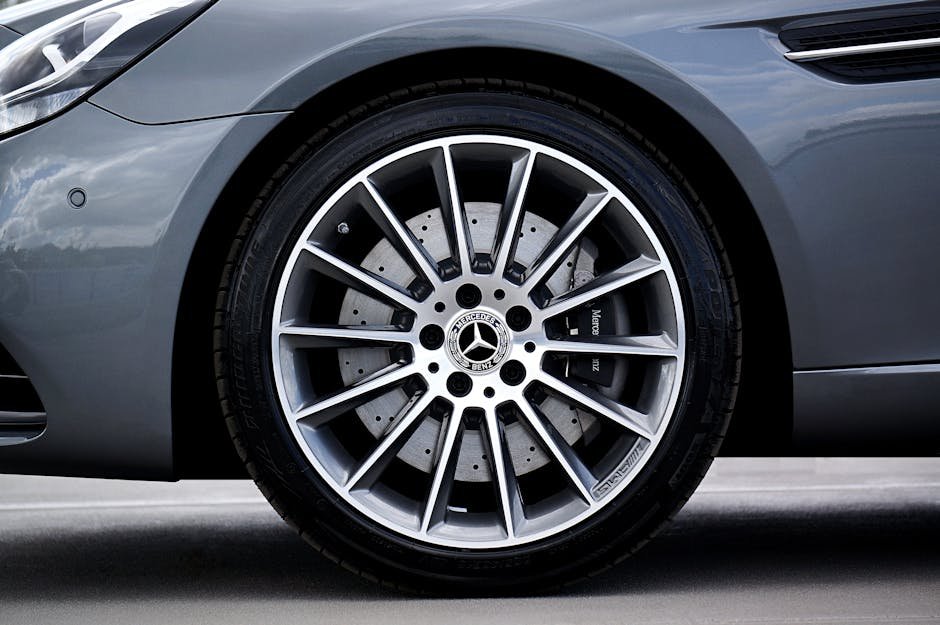
Alloy wheels are classified into three primary grades based on their composition and condition:
- Grade A (OEM): Factory-fitted wheels with no structural damage, typically 95-98% pure aluminium
- Grade B (Aftermarket): Aftermarket wheels with minor cosmetic scratches, 90-95% purity
- Grade C (Damaged): Cracked or bent wheels requiring cutting, 80-90% purity
Grading significantly impacts the scrap price alloy wheels command. For example, a 50kg Grade A wheel from a luxury vehicle might fetch $125, whereas the same weight in Grade C scrap may only return $80. Always remove brake dust and corrosion before pricing to maintain grade integrity.
Current Market Value and Pricing Trends
As of Q1 2024, the scrap price for alloy wheels fluctuates between $1.80 and $2.50 per kg. This range reflects:
- LME aluminium prices hovering between $2,200-$2,500 per tonne
- Regional demand in automotive manufacturing hubs like Sydney and Melbourne
- Import tariffs affecting recycled metal exports to Asia-Pacific markets
Compared to stainless steel scrap prices, alloy wheels typically maintain 15-20% higher value due to their aerospace-grade aluminium composition. Monitor price forecasts to time your sales during peak demand periods like Q4.
Key Factors Influencing Alloy Wheel Prices
Several variables determine the scrap price for alloy wheels at any given moment:
- Aluminium Purity: Higher purity (5000-series aluminium) commands up to 40% more than 3000-series
- Market Demand: Electric vehicle (EV) production drives 20-30% higher pricing
- Global Supply: China’s 30% tariffs on alloy imports can cause 15% price spikes
- Condition: Wheels with paint residue may lose 5-10% of potential value
Use export pricing guides if selling to overseas smelters. Premium markets in Japan and Germany typically pay 10-15% more for certified alloy grades.
The Alloy Wheel Recycling Process
Recycling price of scrap alloy wheels involves three key stages:
- Decontamination: Wheels are cleaned using high-pressure washers to remove brake dust and road grime
- Sorting: Laser spectrometry identifies alloy composition and purity levels
- Smelting: Recycled metal is refined at 700°C to produce ingots for new wheel production
Reusing alloy wheels saves 95% of the energy required to produce new ones from raw bauxite. This makes alloy rim recycling essential for automotive manufacturers aiming to meet 2030 carbon neutrality targets.
Environmental and Economic Benefits
Recycling 1 tonne of alloy wheel scrap prevents:
- 15 tonnes of CO₂ emissions compared to primary production
- 3 cubic meters of mining waste
- 75% energy savings in manufacturing
According to the Australian Bureau of Statistics, the metal recycling sector contributes $2.3 billion annually to the economy while reducing landfill by 4.8 million tonnes. ScrapTrade estimates that every 10% improvement in alloy recycling rates could generate an additional $200 million in annual revenue for the industry.
Maximizing Returns from Alloy Wheel Sales
Follow these practical strategies to optimize your scrap price for alloy wheels:
- Preparation: Remove bearings, sensors, and rubber components before weighing
- Documentation: Maintain certificates of origin for high-grade OEM wheels
- Market Timing: Sell during Q4 when automotive demand peaks
- Transport: Use flatbed trucks to avoid damage and maintain grade classification
For bulk sellers, negotiating fixed-price contracts with smelters like Scrap Trade can secure 5-10% better pricing than spot market transactions. Always verify the recycler’s certifications for ISO 14001 environmental compliance.
Future Outlook for Alloy Wheel Recycling
With the rise of EVs requiring lightweight materials, the scrap price for alloy wheels is projected to increase by 8-12% annually through 2030. Innovations in metal sorting technology, like X-ray fluorescence (XRF) analysis, will further improve grade accuracy and pricing transparency.
Government incentives for e-vehicle production, such as the $1.5 billion Electric Vehicle Strategy, will likely boost demand for recycled alloys. Stay competitive by leveraging online platforms like ScrapTrade Australia for real-time price tracking and market analysis.
Conclusion
Understanding the scrap price for alloy wheels requires monitoring both local and global market dynamics. By grasping grading systems, recycling processes, and environmental impacts, you can maximize returns while contributing to sustainability goals. Whether you’re managing a single car rim or an industrial scrap heap, informed decisions ensure optimal value in the Australian metal recycling market.
Frequently Asked Questions
How often do scrap prices for alloy wheels change?
Prices fluctuate weekly based on LME aluminium prices, global demand, and seasonal factors. Monitor price forecasts for accurate timing.
What’s the best way to clean alloy wheels for scrapping?
Use high-pressure water jets to remove brake dust. Avoid abrasive cleaners that might damage alloy surfaces and lower price of scrap alloy wheels.
Do damaged alloy wheels have lower value?
Yes, cracked or bent wheels typically receive 20-30% less than intact ones. Always grade your scrap price alloy wheels before selling.
How to find the best buyers for alloy wheel scrap?
Compare 3-5 local recyclers using ScrapTrade Australia. Verify certifications and negotiate contracts for bulk sales.