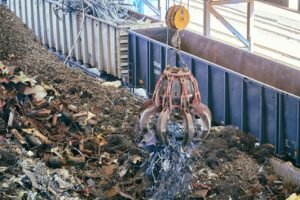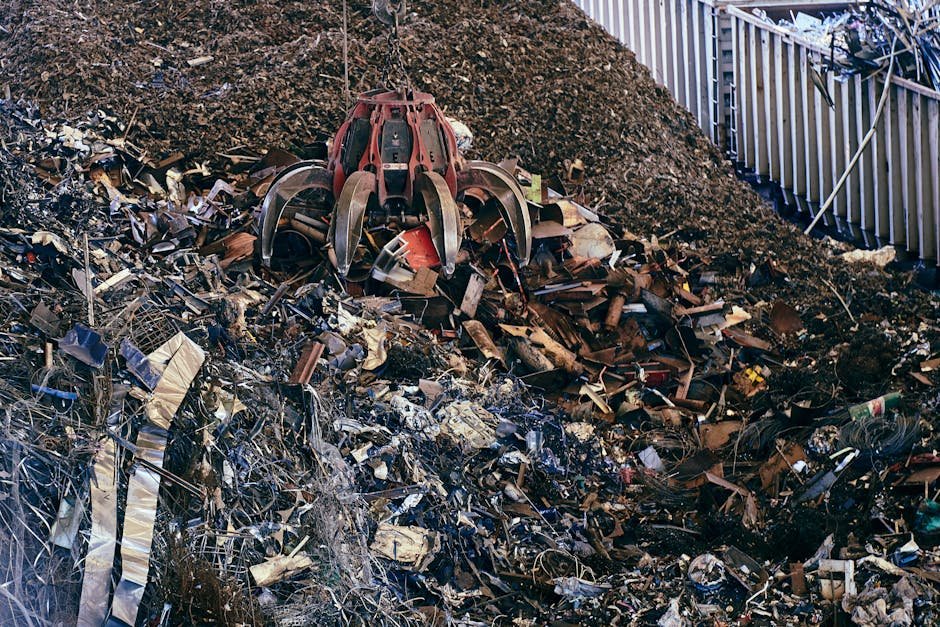

The scrap price in Australia fluctuates daily based on supply, demand, and international metal markets, making it essential for traders to stay informed.
What Is Scrap Price and How It’s Determined?
In the context of metal recycling, scrap price refers to the amount a buyer will pay for a given quantity of recyclable metal. Prices are quoted as price per kg or price per tonne and are influenced by a blend of local and global factors. The process begins with a scrap yard evaluating the material’s grade, purity, and form (e.g., sheets, coils, or baled). Once classified, the yard references the prevailing market rate published by major exchanges such as the London Metal Exchange (LME) and regional price boards.
Australian scrap traders also consider logistics costs, including transportation, handling, and any processing required to meet buyer specifications. The final offer reflects a balance between the raw market price and these operational expenses.
Current Scrap Prices Across Major Metals
Metal prices today are highly volatile, but as of April 2026 the following ranges illustrate typical Australian market conditions:
- Iron and steel scrap: AU$260 – AU$320 per tonne (≈ AU$0.26 – AU$0.32 per kg)
- Copper: AU$9,800 – AU$10,500 per tonne (≈ AU$9.80 – AU$10.50 per kg)
- Aluminium: AU$2,200 – AU$2,600 per tonne (≈ AU$2.20 – AU$2.60 per kg). See the detailed Aluminum Scrap Price In 2026 for the latest updates.
- Stainless steel: AU$3,500 – AU$4,200 per tonne (≈ AU$3.50 – AU$4.20 per kg). A current breakdown is available on the Stainless Steel Scrap Price page.
- Nickel: AU$18,000 – AU$20,000 per tonne (≈ AU$18 – AU$20 per kg)
These figures represent the current scrap prices quoted by major Australian processors and can shift within minutes as global commodity markets react to geopolitical events, currency fluctuations, and changes in manufacturing output.
Understanding Scrap Grades and Their Impact on Value
Not all scrap metal is created equal. Grading systems classify material based on composition, contamination level, and physical condition. The most common grades include:
- Grade A (Clean, high‑purity): Minimal rust or paint, often command the highest price per kg.
- Grade B (Mixed or lightly contaminated): May contain non‑ferrous inclusions, resulting in a modest discount.
- Grade C (Heavy contamination): Requires additional processing; buyers typically apply a significant reduction.
For example, a tonne of Grade A aluminium can fetch up to 15 % more than the same weight of Grade C material. Accurate grading therefore directly influences the price per tonne you receive.
Understanding the grading criteria used by your preferred processor can help you prepare material to meet the highest standards. Simple steps such as removing large bolts, separating ferrous from non‑ferrous pieces, and washing off excess oil can upgrade your scrap from Grade B to Grade A.
The Recycling Process: From Collection to Re‑melting
Once a buyer accepts your scrap, it enters a multi‑stage recycling chain designed to maximise material recovery while minimising environmental impact.
- Collection & Transportation: Trucks haul the material to a processing facility. Efficient logistics reduce the cost component of the final scrap price offer.
- Sorting & Segregation: Automated magnets separate ferrous from non‑ferrous metals. Advanced sensors can identify specific alloys, ensuring each batch meets grade specifications.
- Processing: Shredders, balers, and shears reduce bulk material into manageable sizes. For aluminium, a dedicated eddy‑current separator removes any remaining ferrous contaminants.
- Melting: The cleaned scrap is melted in a furnace at temperatures specific to each metal (e.g., 660 °C for aluminium, 1,538 °C for steel). Energy‑efficient electric arc furnaces are increasingly common in Australia.
- Refining & Casting: Molten metal is refined to remove impurities and then cast into ingots, billets, or slabs for resale to manufacturers.
Each stage adds value and incurs cost; the more efficiently a processor manages this chain, the more competitive its offer will be.
Key Factors That Influence Metal Prices Today
Several macro‑ and micro‑economic drivers shape the market rate for scrap metal:
- Global Commodity Prices: LME and Shanghai Futures Exchange prices set the baseline for local markets.
- Exchange Rates: A weaker Australian dollar makes imported raw metal more expensive, often raising local scrap demand and prices.
- Industrial Production: Construction booms, automotive manufacturing, and infrastructure projects increase demand for steel and copper.
- Supply Constraints: Mine closures, shipping bottlenecks, or environmental regulations can tighten supply, pushing current scrap prices upward.
- Seasonality: End‑of‑year tax considerations and fiscal policies can cause short‑term spikes.
Staying aware of these variables helps traders anticipate price movements and negotiate better deals.
Practical Tips for Getting the Best Price per Kg
To maximise the price per kg you receive, consider the following actionable strategies:
- Know the Market: Regularly check platforms like Scrap Trade for up‑to‑date listings of the price of scrap across different regions.
- Maintain Clean Grades: Remove paint, oil, and non‑metal attachments. Clean metal consistently commands higher rates.
- Batch by Grade: Separate high‑grade material from lower‑grade scrap before delivery to avoid diluting the overall value.
- Leverage Volume: Larger consignments often qualify for bulk discounts, reducing handling fees and increasing net earnings.
- Negotiate Terms: Discuss payment timelines, transport arrangements, and any processing fees upfront.
- Stay Informed on Regulations: Compliance with Australian waste‑management standards prevents penalties that could erode profits.
For a deeper dive into the mechanics of the industry, read What Is Scrap Trade, which outlines the ecosystem of buyers, processors, and end‑users.
Environmental Benefits of Metal Recycling
Recycling metal delivers substantial ecological advantages compared with virgin extraction:
- Energy Savings: Recycling aluminium uses up to 95 % less energy than primary production, while steel recycling saves about 60 %.
- Reduced Greenhouse Emissions: Lower energy consumption translates directly into fewer CO₂ emissions, supporting Australia’s climate targets.
- Conservation of Natural Resources: Recycling diminishes the need for mining, preserving ecosystems and reducing land disturbance.
- Waste Diversion: Each tonne of metal diverted from landfill reduces landfill space and leachate risks.
These benefits create a virtuous cycle: higher demand for recycled metal improves market prices, encouraging more collection and further environmental gains.
Conclusion: Maximising Value While Supporting Sustainability
Understanding how scrap price is set, the grades that affect valuation, and the recycling chain’s intricacies equips Australian traders to secure the best possible return. By staying informed about metal prices today, maintaining clean, well‑sorted material, and partnering with reputable processors, you not only boost your profit margin but also contribute to a greener economy.
For ongoing updates and a comprehensive price database, visit the industry’s leading portal at Australian scrap metal marketplace ScrapTrade.com.au. Leveraging these resources ensures you remain competitive, compliant, and environmentally responsible.
Related: price of scrap
Related: aluminium scrap price
Frequently Asked Questions
How often do scrap prices change in Australia?
Scrap prices are typically updated daily, reflecting shifts in global commodity markets, exchange rates, and local supply‑demand dynamics.
What is the difference between price per kg and price per tonne?
Price per kg expresses the value for each kilogram of scrap, while price per tonne multiplies that rate by 1,000, making it easier for bulk transactions.
Can I improve my scrap price by cleaning the metal?
Yes, removing contaminants such as paint, oil, and non‑metal attachments can upgrade the grade, often resulting in a higher price per kg.
Why does aluminium have a different scrap price than steel?
Aluminium is lighter and requires less energy to recycle, which drives a distinct market rate compared to heavier, more energy‑intensive steel.